

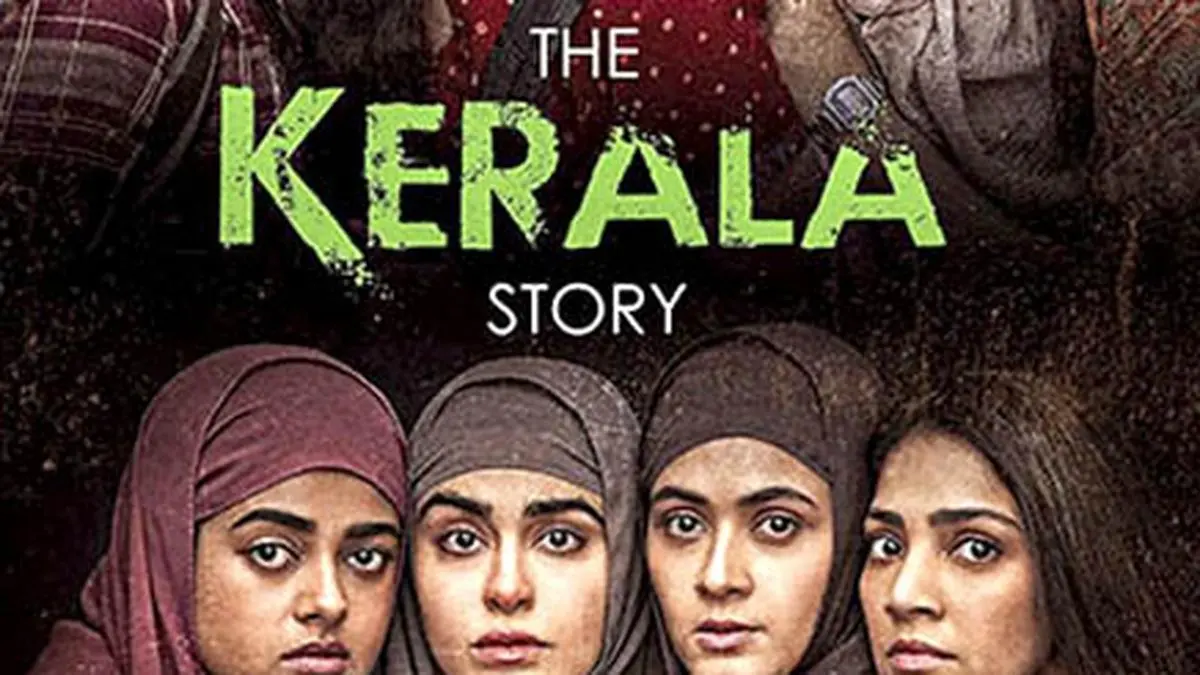
The Kerala Story 2 debate has reignited discussions around cinema, politics, and public reaction in India. As conversations build around the sequel, the film’s narrative, intent, and impact are once again under scrutiny from audiences, critics, and political voices.
The Kerala Story 2 Debate: A Time-Sensitive Controversy
The Kerala Story 2 debate is a time-sensitive issue, shaped by ongoing public and political discourse. The original The Kerala Story sparked widespread reactions due to its subject matter, which touched on sensitive themes related to religion and alleged radicalisation.
With discussions around a sequel emerging, similar debates have resurfaced. Supporters argue that such films highlight important issues, while critics question the accuracy and intent behind the narrative.
The sequel, still surrounded by speculation and early promotional signals, is already generating strong opinions. This indicates how deeply cinema can intersect with socio-political narratives in India.
Cinema and Politics: A Complex Relationship
Cinema and politics in India have long been interconnected. Films often reflect social realities, but they can also shape public perception and political discourse.
In the case of The Kerala Story franchise, the debate centers on representation and interpretation. Some view the narrative as a reflection of real concerns, while others argue that it risks oversimplifying complex issues.
Political responses to such films tend to amplify public reactions. Statements from leaders, debates in media, and social media campaigns contribute to the overall narrative surrounding the film.
This dynamic makes it difficult to separate artistic expression from political messaging.
Public Reaction and Social Media Influence
Public reaction to The Kerala Story 2 is being shaped significantly by social media platforms. Online discussions, hashtags, and opinion threads are driving visibility and influencing perception.
Audiences are divided. Some express support for the film’s themes, while others raise concerns about potential misinformation or bias. This polarization reflects broader societal debates.
Social media also accelerates the spread of opinions, often before complete information about the film is available. Early reactions can influence audience expectations and even box office performance.
In such cases, public discourse becomes as important as the film itself.
Content Sensitivity and Responsibility in Filmmaking
The Kerala Story 2 debate highlights the importance of sensitivity in storytelling. Films that deal with real-world issues carry a responsibility to present information accurately and thoughtfully.
Filmmakers often balance creative freedom with the need to avoid misrepresentation. However, interpretations can vary widely depending on audience perspectives.
Regulatory bodies and certification authorities play a role in reviewing content, but debates around freedom of expression continue. The challenge lies in maintaining a balance between artistic liberty and social responsibility.
This issue is not limited to one film but reflects a broader trend in content creation.
Impact on the Film Industry and Audience Trust
Controversies around films like The Kerala Story can have lasting effects on the industry. They influence how audiences perceive content and how filmmakers approach sensitive topics.
Repeated debates may lead to increased scrutiny of similar projects. Producers and directors may become more cautious, especially when dealing with politically or socially charged subjects.
At the same time, controversy can also drive curiosity and viewership. Films that generate debate often receive more attention, both positive and negative.
Audience trust becomes a key factor. Viewers expect transparency and authenticity, especially when films claim to be based on real events.
Legal, Ethical, and Cultural Dimensions
The ongoing discussion around The Kerala Story 2 also involves legal and ethical considerations. Questions about factual accuracy, portrayal of communities, and potential impact on social harmony are central to the debate.
Courts have previously been approached in similar cases involving films with controversial themes. Legal scrutiny can influence release timelines and content modifications.
Culturally, such films can shape narratives about regions and communities. This makes it important for creators to consider the broader implications of their work.
The intersection of law, ethics, and culture adds multiple layers to the debate.
What This Debate Means Going Forward
The Kerala Story 2 debate is likely to continue as more details about the film emerge. It reflects a larger shift in how audiences engage with cinema, not just as entertainment but as a medium of discourse.
Filmmakers may need to adopt more transparent communication strategies, especially when dealing with sensitive topics. Clear messaging and context can help manage expectations and reduce misinformation.
For audiences, critical viewing and informed discussion are becoming increasingly important. As content becomes more diverse, so do interpretations and reactions.
The debate ultimately underscores the evolving role of cinema in shaping public conversations.
Takeaways
- The Kerala Story 2 debate highlights the intersection of cinema and politics in India
- Public reactions are divided, with strong opinions on both sides
- Social media plays a major role in shaping perception and discourse
- Filmmakers face challenges in balancing creative freedom with responsibility
FAQs
Why is The Kerala Story 2 controversial?
It deals with sensitive themes that have sparked debate over representation, accuracy, and intent.
How does politics influence film debates in India?
Political responses can amplify public discussions and shape how films are perceived.
Does controversy affect a film’s success?
Controversy can increase visibility and curiosity, but it may also divide audiences.
What role do viewers play in such debates?
Viewers influence discourse through opinions, reviews, and social media engagement.









Leave a comment