

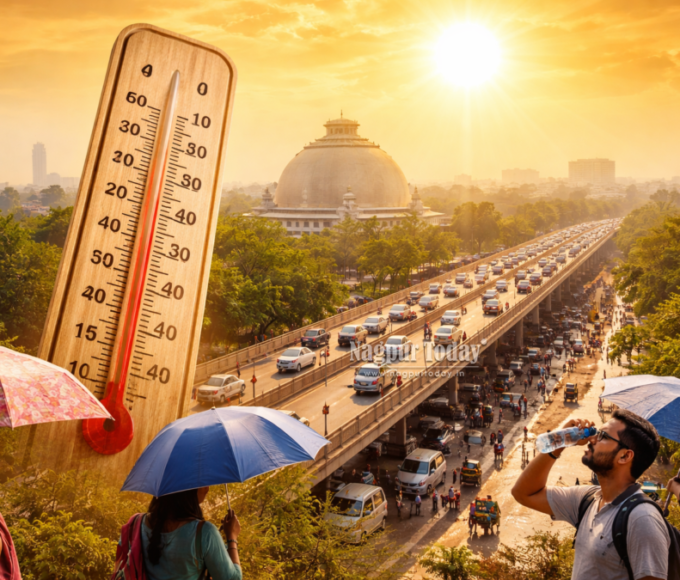
Heatwave lifestyle changes are becoming a defining pattern across India as rising temperatures affect daily routines. Young professionals and students are adjusting work schedules, fitness habits, and outdoor activities to cope with prolonged heat conditions during summer 2026.
Heatwave Lifestyle Changes Reflect Ongoing Climate Impact
Heatwave lifestyle changes are part of an ongoing trend rather than a single news event. With temperatures crossing 40 degrees Celsius in many regions, daily life is being reshaped, especially for younger populations in cities and semi-urban areas.
Unlike earlier years where heatwaves were short-lived, current patterns show longer and more intense periods of high temperatures. This has forced individuals to rethink how they manage work, exercise, and social routines.
Young India, including students and working professionals, is at the centre of this adaptation. Their schedules are more flexible, allowing them to experiment with new routines that prioritise comfort and safety.
This shift is not just temporary but may influence long-term lifestyle choices.
Changing Work Schedules in High Temperature Conditions
Work routine changes during heatwaves are becoming more common, particularly in sectors that allow flexibility. Many professionals are starting their day earlier to avoid peak afternoon heat.
Remote work and hybrid models have made it easier to adjust schedules. Employees can take breaks during the hottest hours and resume work later in the evening. This reduces exposure to extreme temperatures and improves productivity.
In smaller cities, where commuting infrastructure may not be fully climate-controlled, avoiding travel during peak heat hours has become a practical necessity.
Employers are also recognising the impact of heat on efficiency. Some organisations are informally encouraging flexible timings or reduced outdoor work during extreme conditions.
Fitness Routine Adaptations Among Young People
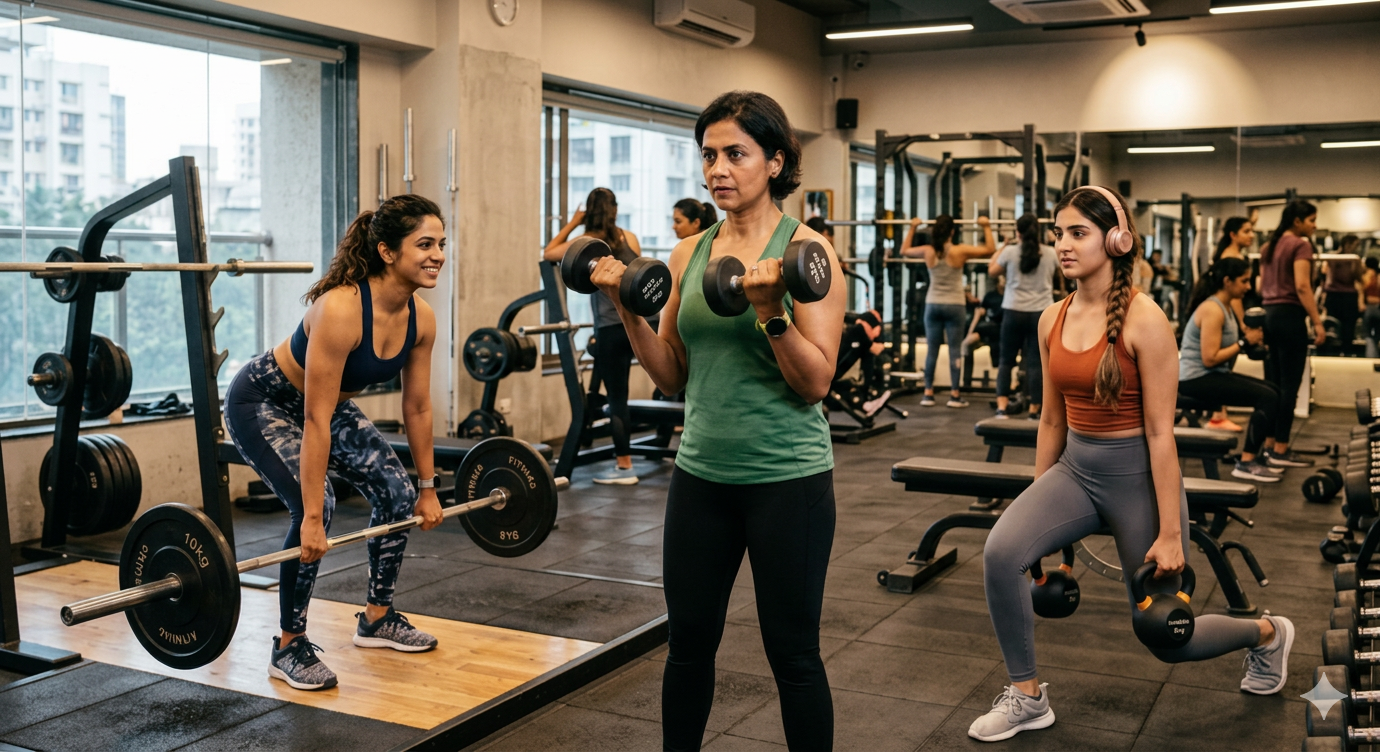
Fitness habits in India are also changing due to heatwave conditions. Outdoor workouts, including running, cycling, and sports, are being rescheduled to early mornings or late evenings.
Gyms and indoor fitness centres are seeing increased footfall during summer months. Activities such as strength training, yoga, and indoor cardio are preferred over outdoor exercise.
Hydration and recovery have become more important. Fitness experts recommend increased water intake, electrolyte balance, and lighter workout intensity during extreme heat.
Many individuals are also shifting to shorter, more frequent workouts instead of long sessions. This helps maintain consistency without overexertion.
Rise of Indoor and Digital Fitness Trends
Digital fitness trends in India are gaining momentum as people look for alternatives to outdoor exercise. Online workout programs, fitness apps, and virtual coaching sessions are becoming more popular.
Platforms such as Cult.fit and Nike Training Club offer guided workouts that can be done at home. This reduces the need to step बाहर during extreme heat.
Home workout setups are also becoming more common. Basic equipment like yoga mats, resistance bands, and dumbbells allow users to maintain fitness routines indoors.
This shift reflects a broader trend toward convenience and accessibility in fitness.
Impact on Outdoor Activities and Social Life
Heatwaves are also affecting outdoor activities and social interactions. Young people are reducing time spent outdoors during the day, opting for indoor gatherings instead.
Cafes, malls, and air-conditioned spaces are becoming preferred social venues. Evening outings are more common, as temperatures drop slightly after sunset.
Sports activities, including cricket and football, are being rescheduled to cooler hours. In some cases, participation levels have decreased due to safety concerns.
These changes highlight how climate conditions are influencing not just individual routines but also collective behavior.
Health Awareness and Preventive Measures
Heatwave conditions have increased awareness about health risks such as dehydration, heat exhaustion, and heatstroke. Young individuals are becoming more conscious of preventive measures.
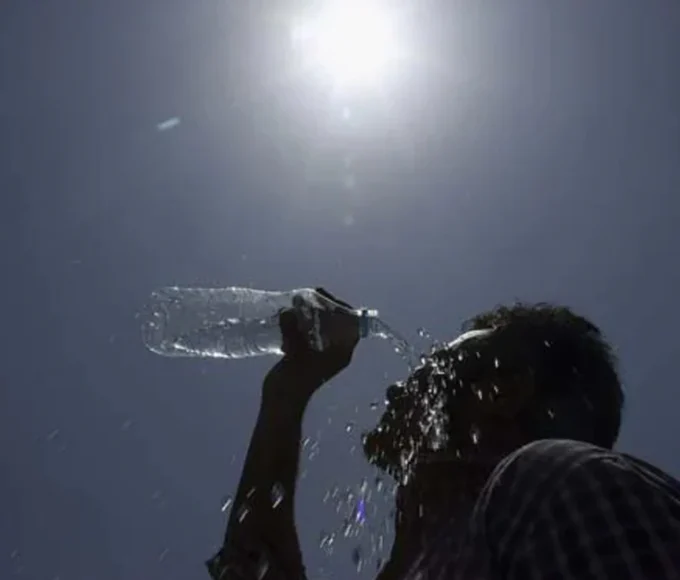
Carrying water bottles, wearing breathable clothing, and using sun protection are now common practices. Awareness campaigns and social media content have also contributed to better understanding of heat-related risks.
Dietary habits are adjusting as well. There is a preference for lighter meals, fruits, and cooling beverages during summer months.
This increased focus on health is a positive outcome of challenging environmental conditions.
Long-Term Lifestyle Shifts and Urban Adaptation
The impact of heatwave lifestyle changes may extend beyond seasonal adjustments. As extreme temperatures become more frequent, these adaptations could become permanent.
Urban planning and infrastructure may also need to evolve. Workspaces, gyms, and public areas may increasingly prioritise climate control and energy efficiency.
For individuals, flexibility and adaptability will be key. Balancing productivity, fitness, and well-being in changing climate conditions requires ongoing adjustments.
The current trend reflects a broader shift in how people interact with their environment.
Takeaways
- Heatwave lifestyle changes are reshaping work and fitness routines across India
- Flexible work schedules and remote models are helping people adapt
- Indoor and digital fitness options are replacing outdoor activities
- Health awareness and preventive measures are increasing among young individuals
FAQs
How are heatwaves affecting daily routines in India?
They are causing changes in work schedules, fitness habits, and outdoor activities to avoid peak heat hours.
Why are people shifting to indoor workouts?
Indoor workouts reduce exposure to extreme temperatures and provide a safer environment for exercise.
Are companies supporting flexible work during heatwaves?
Some organisations are allowing flexible timings or remote work to help employees manage heat conditions.
What health precautions should be taken during heatwaves?
Stay hydrated, avoid direct sun exposure, wear light clothing, and monitor for signs of heat-related illness.








Leave a comment