

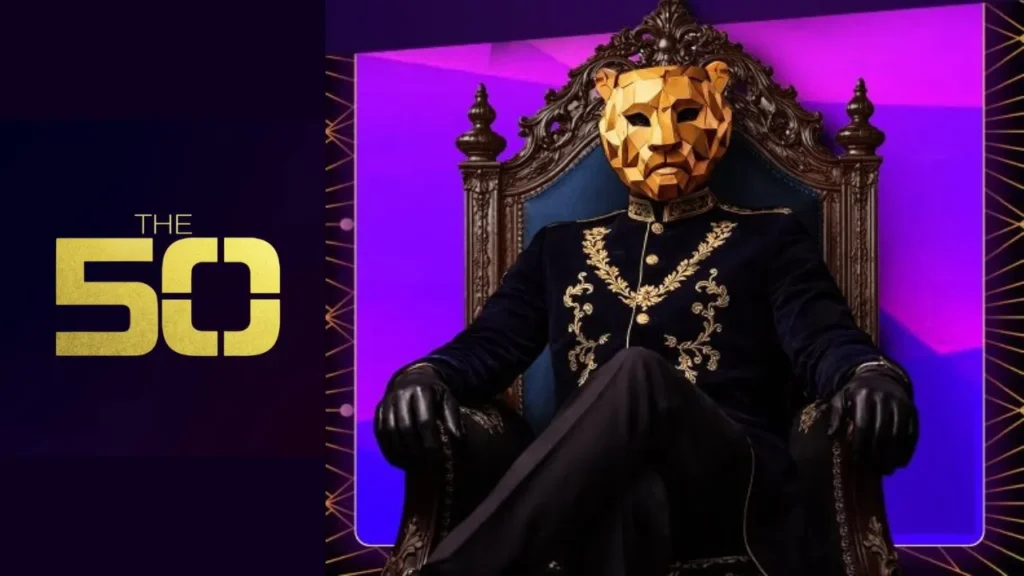
Reality shows in 2026 continue to command strong viewership across India. Despite the rise of OTT platforms and short-form video apps, talent competitions and unscripted television remain a staple of family entertainment in both metro and smaller-city households.
Reality Shows Remain a Powerful Force in Indian Television
Reality shows have been part of Indian television for more than two decades. Singing, dancing and comedy competitions continue to draw loyal audiences because they combine entertainment with emotional storytelling.
Programs such as Indian Idol, Sa Re Ga Ma Pa, Dance India Dance and India’s Got Talent remain familiar brands across generations.
The core appeal is simple. Families can watch together, support contestants and feel invested in their journeys from auditions to finals.
Family Viewing Keeps Television Relevant in 2026
One of the biggest reasons talent competitions remain successful is their suitability for family viewing.
Unlike some OTT content, reality shows are designed to appeal to children, parents and grandparents at the same time. They are typically broadcast during prime-time slots when families gather in the evening.
This shared viewing experience still matters in India, especially in Tier-2 and Tier-3 cities where television remains a central source of entertainment.
The emotional stories of contestants often create a deeper connection than scripted fiction alone.
Small-Town Contestants Drive Emotional Engagement
Many reality show participants come from modest backgrounds and smaller cities.
Contestants from places such as Nagpur, Indore, Patna, Guwahati and Lucknow often become household names after showcasing their talent on national television.
Their journeys resonate strongly with viewers who see familiar aspirations and challenges reflected on screen.
For many families, these stories represent hope and upward mobility.
This emotional authenticity is a major reason reality shows continue to attract high engagement.
Audience Participation Builds Loyalty
Voting remains a key feature of talent competitions.
Viewers can support contestants through app votes, SMS or platform integrations, making them feel directly involved in the outcome.
This participation encourages repeat viewing and strong social media discussion.
Fans campaign for their favorite contestants, creating local pride and word-of-mouth momentum.
The interactive format keeps audiences invested throughout the season.
Television and Digital Platforms Work Together
Reality shows are no longer limited to traditional TV broadcasts.
Highlights, behind-the-scenes clips and audition moments are widely shared on YouTube, Instagram and short-video platforms. Full episodes are also available on streaming services.
This multiplatform approach helps shows reach younger viewers while retaining their core television audience.
A viral performance can generate millions of views and attract new viewers to the main program.
Brands Continue to Invest in Reality Programming
Talent competitions remain attractive to advertisers because they deliver broad demographic reach.
These shows consistently attract family audiences, making them valuable for consumer brands, telecom companies and financial services advertisers.
Sponsorships, product integrations and branded segments provide strong commercial support.
As long as viewership remains stable, networks are likely to continue investing in the format.
Regional Reality Shows Expand the Audience Base
Regional-language talent competitions have also gained popularity.
Marathi, Bengali, Tamil, Telugu and Kannada channels have successfully adapted the format for local audiences.
These programs discover talent within specific states while reinforcing cultural connection.
Regional versions help extend the reach of reality television beyond Hindi-speaking markets.
Why the Format Still Works
At its best, reality television combines competition, emotion and accessibility.
Viewers do not need to follow complex storylines. They can tune in at any stage and immediately understand what is happening.
The mix of talent, personal stories and audience participation continues to deliver a compelling entertainment package.
That formula remains highly effective in 2026.
Key Takeaways
- Reality shows remain popular because they offer family-friendly entertainment.
- Contestants from smaller cities create strong emotional connections with viewers.
- Audience voting increases engagement and loyalty.
- Television and digital platforms together help reality shows reach wider audiences.
FAQs
Why are reality shows still popular in India?
They combine talent, emotional storytelling and family-friendly entertainment.
Which reality shows dominate Indian television?
Indian Idol, Sa Re Ga Ma Pa, Dance India Dance and India’s Got Talent remain major franchises.
How do smaller cities influence these shows?
Contestants from non-metro areas often become fan favorites and inspire viewers nationwide.
Do young audiences still watch TV reality shows?
Yes. Many discover performances through social media and then watch episodes on TV or streaming platforms.









Leave a comment