

For most travellers, Raigad brings to mind historic forts, monsoon landscapes, winding roads and the Konkan countryside. But beyond its well-known tourist attractions, the district has another side that is slowly finding its place on the travel map rural experiences that allow visitors to spend time with nature, understand traditional ways of living and see sustainability not as an idea, but as part of everyday life.
Gavya is emerging from this landscape with a different proposition for tourism.
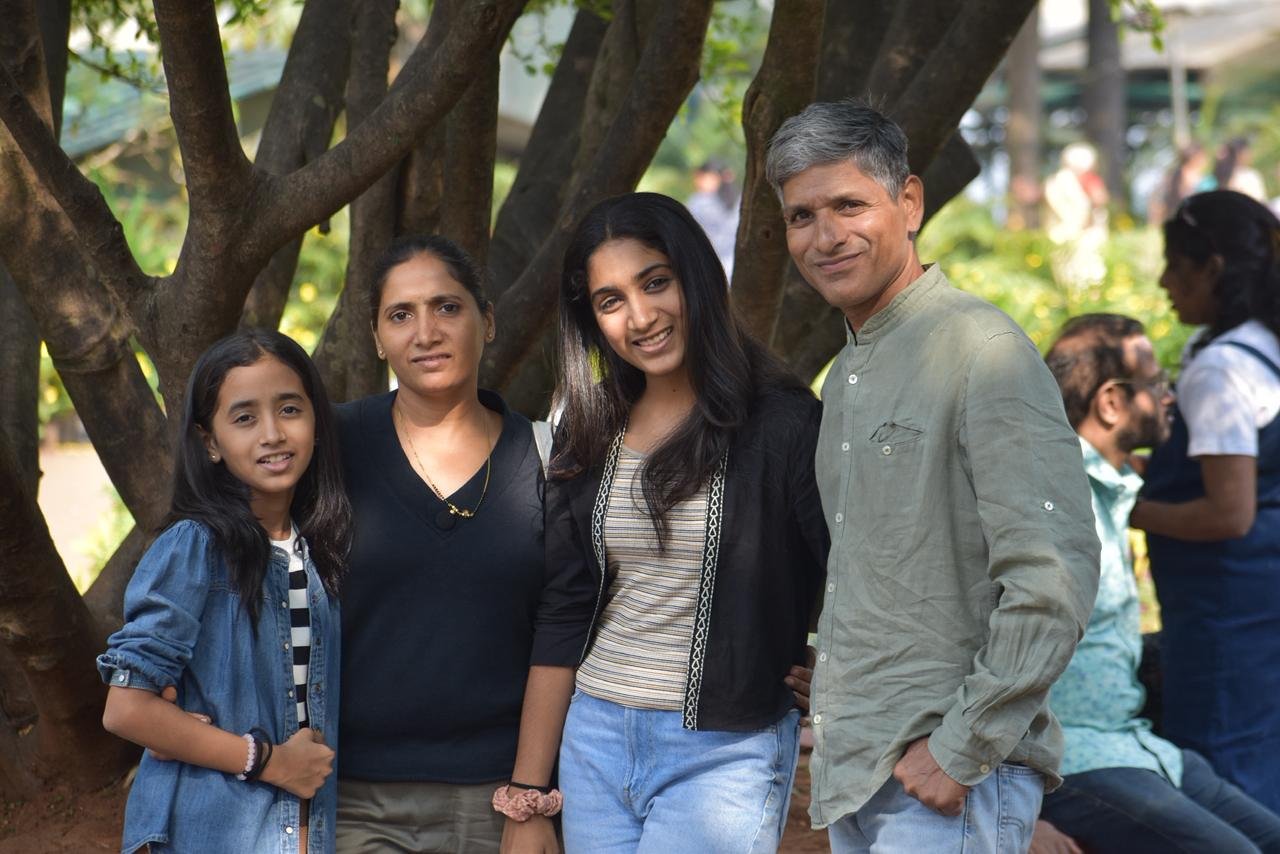
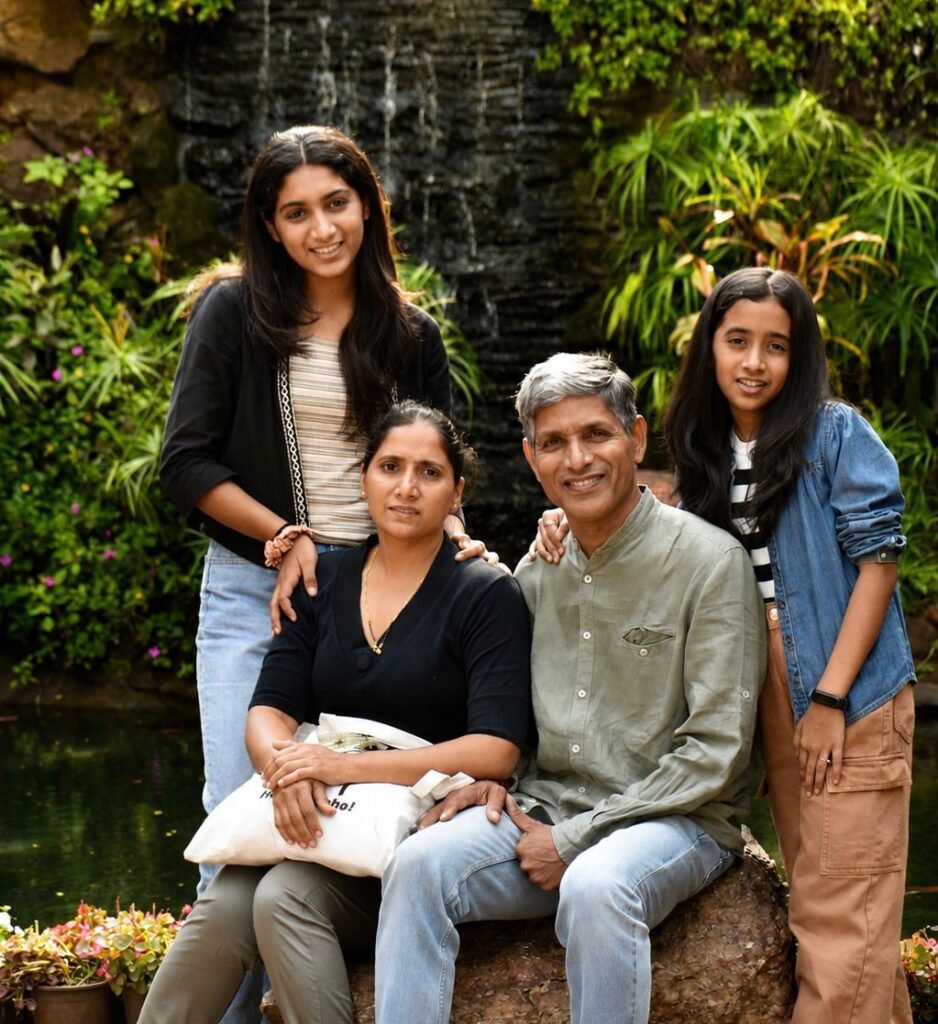
The idea began with a family choosing to leave the pace of Mumbai and return to their native place. What started as a personal decision to live closer to the land gradually became an exploration of farming, indigenous cows, traditional knowledge, homeschooling and a simpler way of life. Living alongside desi cows introduced the family to the traditional understanding of Panchagavya and the wider relationship between the cow, agriculture, household practices and rural communities.
Over time, this experience developed into the vision of Gavya a space where travellers can encounter this knowledge through participation rather than simply reading about it.
More Than a Farm Visit
Gavya is best understood as an experiential approach to ecotourism.
The objective is not to create another conventional tourist attraction where visitors arrive, take photographs and leave. Instead, the experience encourages people to slow down and become participants for a while.
A morning at a rural farm can involve watching the cows being fed, understanding their care routines, observing milking practices, learning about indigenous breeds or seeing how naturally available materials are incorporated into farming and everyday life.
For families travelling with children, this can become a particularly different kind of holiday. A child who has grown up in an urban environment gets to see where food comes from, how soil is cared for, how animals contribute to a farm and how much work goes into maintaining a rural household.
For adults, the experience can offer something equally valuable a break from the highly structured pace of city life.
The Five Pillars Behind Gavya
The tourism experience at Gavya is guided by five interconnected pillars. Together, they explain what the initiative hopes visitors will take away from their time in a rural setting.
1. Ancestral Wisdom
The journey begins with knowledge that has been passed down through generations. Traditional farming practices, indigenous cow care, natural materials and rural systems form the foundation.
2. Holistic Learning
Knowledge at Gavya is not restricted to a classroom. Visitors learn through observation, participation, nature and conversations around traditional practices.
3. Sustainable Lifestyle
Learning becomes meaningful when it influences everyday choices. Gavya encourages visitors to consider how ancestral and holistic knowledge can be adapted to contemporary living.
4. Medicine-Free Life
The philosophy places importance on preventive well-being, natural living and holistic methods. Rather than positioning medicine as something to be rejected categorically, the idea is to encourage healthier habits and greater awareness of natural approaches to well-being.
5. Zero-Waste Living
The final pillar is about creating less waste and making better use of what nature provides. Rural practices often demonstrate this principle naturally, with materials being reused, composted or returned to the soil instead of being discarded.
The sequence is deliberate: ancestral wisdom informs learning; learning influences lifestyle; a healthier lifestyle supports preventive well-being; and conscious living ultimately moves towards a zero-waste approach.
For ecotourism, this creates a useful framework because the visitor is not merely seeing a place they are being introduced to a way of thinking about it.
Panchagavya as Part of the Experience
The word Gavya refers to products traditionally associated with the indigenous Indian cow. Panchagavya consists of five milk, curd, ghee, urine and dung.
These materials have historically played different roles in Indian rural life, including agriculture, household practices and traditional systems of knowledge.
At Gavya, visitors can learn about this relationship through demonstrations and workshops. Depending on the programme, activities may include understanding traditional preparations, natural farming applications, composting and the making of products associated with rural life.
The emphasis is on learning about the practice and its cultural context.
That makes the experience particularly relevant to ecotourism because it connects an apparently simple rural activity to larger questions around farming, waste, consumption and the relationship between humans, animals and the land.
Raigad as a Natural Setting for Ecotourism
Gavya’s location and philosophy fit naturally into the wider tourism potential of Raigad.
The district offers a rare combination of mountains, forests, farms, waterfalls, historic sites, villages and traditional communities. This makes it possible to develop tourism itineraries that go beyond sightseeing and introduce visitors to the ecological and cultural character of the region.
Several places in and around Raigad already demonstrate this potential.
At Sapna Ranch in Mandangad, EBHLE functions as an eco-learning space centred around nature-based and holistic education. Its philosophy of “Play, Learn, Share” gives visitors an opportunity to learn through real-life experiences.
At Anand Patki’s Bamboo Farm in Dongroli, Mangaon, visitors can explore bamboo cultivation and sustainable building practices. Known for working with numerous bamboo varieties, the farm demonstrates how a locally available natural resource can become part of both livelihood and construction.
Near Pali, Atmatrupti at Uddhar offers an eco-farm environment where nature walks, yoga, waterfalls, permaculture and Panchagavya-related learning can come together.
For travellers interested in history and trekking, Mangad Fort provides an opportunity to combine a short trek with village experiences and rural stays in the surrounding area.
Further towards Mahad, Raigad Fort adds an important historical dimension. The former capital associated with Chhatrapati Shivaji Maharaj can be incorporated into a wider itinerary that includes local homestays, farming experiences and rural tourism.
Another interesting example is found at Loner Amberle village, where the bamboo house associated with Shreeniwas and Dr. Rashmi Varkhandkar offers visitors a glimpse into sustainable architecture and alternative approaches to living.
Together, these destinations show how Raigad can offer a much broader tourism experience one that combines history, nature, agriculture, architecture, wellness and village life.
What Can Tourists Actually Experience?
The strength of Gavya-led ecotourism lies in participation.
Visitors can begin their day early, ideally between 6 and 9 AM, when the farm is active and the atmosphere is relatively quiet. Depending on the programme, a visit can include:
· Feeding and observing indigenous cows
· Understanding basic cow-care routines
· Watching or learning about traditional milking practices
· Identifying indigenous cow breeds and understanding their rural role
· Seeing composting and natural farming methods
· Learning about Panchagavya and its traditional applications
· Understanding how cow dung is used in rural practices
· Participating in natural-product-making workshops
· Exploring surrounding farms, villages and natural landscapes
· Taking part in educational sessions on sustainable living
· Combining farm experiences with yoga, nature walks, trekking or heritage visits
These activities can be adapted for families, students, corporate groups, wellness travellers and people simply looking for a quieter weekend away from urban life.
Learning Holidays for Children and Families
One of the strongest possibilities for Gavya is educational tourism.
Today’s children often know food as something purchased from a supermarket rather than something connected to soil, seasons and farmers. A rural visit changes that equation.
A child can see a cow being cared for, touch the soil, observe composting, understand where vegetables grow and participate in simple farm activities. Such experiences can make lessons about sustainability considerably more tangible.
Gavya’s own connection with homeschooling and nature-based learning adds relevance to this approach.
Two-day sessions on Nisargayan, conducted with sustainable-living mentors Dileep Kulkarni and Purnima Kulkarni, further extend this educational dimension by encouraging participants to explore the idea of living in greater harmony with nature.
This makes Gavya relevant not only as a tourist destination, but also as a potential learning destination.
Connecting Ecotourism with Wellness
The growing interest in wellness travel provides another natural connection.
A stay surrounded by greenery, farm activity and open spaces can be combined with yoga, nature walks, traditional food and discussions around sustainable living. Visitors interested in India’s traditional knowledge systems can also learn about the historical context of practices associated with Ayurveda and Panchagavya.
Any therapeutic or medicinal practice, however, should be experienced only under qualified guidance and should not be treated as a replacement for professional medical care.
The larger wellness value can simply come from changing one’s surroundings and routine — waking early, spending time outdoors, eating thoughtfully and stepping away from the constant pace of urban life.
The Best Time to Experience Gavya and Raigad
For visitors interested in rural and outdoor activities, October to April is particularly suitable. The post-monsoon landscape is greener, the weather becomes more comfortable and outdoor activities are easier to plan.
Early mornings are especially rewarding. Apart from being cooler, this is when many farm routines naturally begin.
Travellers planning a visit around the monsoon can also experience a dramatically different Raigad, with waterfalls, streams and lush landscapes transforming the district. However, outdoor activities during heavy rainfall require additional caution and should be planned according to local conditions.
Responsible Tourism Starts With the Visitor
Ecotourism cannot succeed simply because a destination is surrounded by nature. Visitor behaviour is equally important.
Guests should avoid feeding cows processed food, disturbing calves or interfering with farm routines. Loud music, unnecessary noise and disruptive behaviour around animals should be avoided.
Plastic waste should be carried back or disposed of responsibly. Biodegradable toiletries are preferable, and visitors should follow a simple Leave No Trace approach.
Farm visits also require practical precautions. Covered clothing, closed footwear, drinking water, a hat and suitable mosquito protection can make the experience more comfortable. Visitors with known allergies to animals, dust or dairy products should communicate this beforehand.
Most importantly, rural traditions should be observed with respect. The aim of ecotourism is not to turn village life into a performance for visitors, but to allow travellers to understand it without disturbing it.
Tourism That Supports Local Communities
There is also an economic opportunity in developing this form of tourism responsibly.
Local women and young people can participate in producing traditional and natural products. Farmers and rural households can benefit through farm visits, homestays, workshops and locally made products.
Tourists can purchase appropriate locally produced items as souvenirs, creating a direct connection between their travel spending and the rural economy.
This can help make tourism more distributed and community-oriented rather than concentrating the benefits around a handful of conventional tourist businesses.
A Different Way to Discover Raigad
Raigad does not need another reason for people to visit. It already has its forts, mountains, forests and history.
What it can offer more of is a reason for people to stay longer, learn more and travel differently.
Gavya fits into that possibility.
Its approach brings together indigenous cows, ancestral knowledge, sustainable living, rural learning and responsible travel. The five pillars ancestral wisdom, holistic learning, sustainable lifestyle, medicine-free living and zero-waste living provide a philosophy that can turn an ordinary rural visit into a more thoughtful travel experience.
For someone coming from Mumbai or another city, the attraction may initially be the landscape. But the lasting memory could be something much simpler: waking up early on a farm, spending time around cows, walking through fields, learning how something as ordinary as cow dung fits into a traditional rural system, listening to local stories and experiencing a few hours without the usual urban rush.
That is where Gavya’s real tourism proposition lies.
It is not about escaping modern life permanently. It is about stepping away from it long enough to understand that there are other ways of living ways shaped by the land, by community and by knowledge carried across generations.
And in a district as naturally and culturally diverse as Raigad, that could become a meaningful new chapter in the story of ecotourism.








Leave a comment