

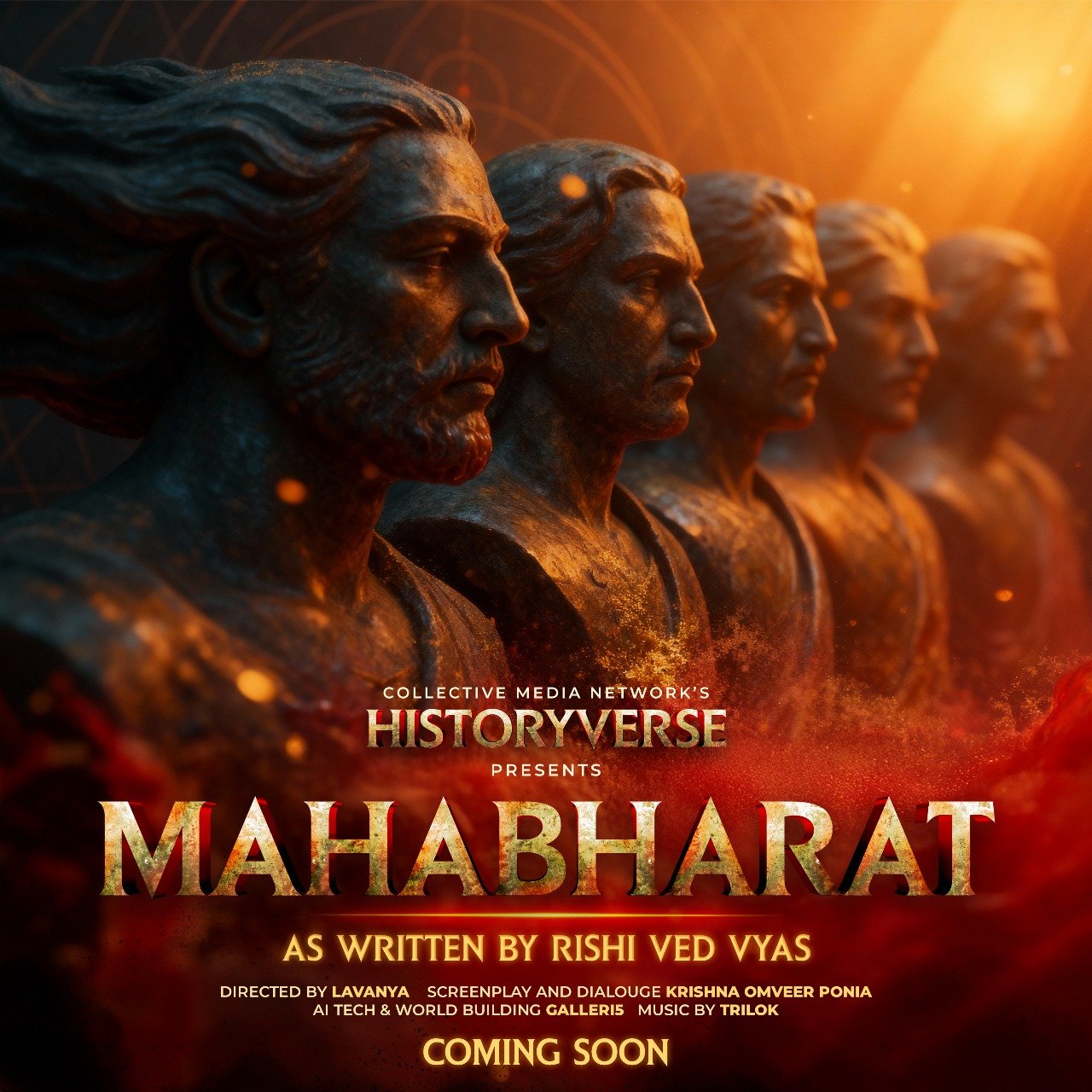
Mythology-based shows on Indian television and streaming apps are witnessing a strong comeback as audiences increasingly look for culturally rooted stories, devotional content, and family-friendly entertainment. Broadcasters and OTT platforms are now investing heavily in mythological dramas, animated adaptations, and modern retellings of ancient Indian epics.
Mythology-based shows on Indian television are once again becoming a major part of mainstream entertainment. From classic retellings of the Ramayana and Mahabharata to new-age fantasy adaptations inspired by Hindu mythology, audiences across age groups are driving renewed interest in this genre.
What was once largely associated with Sunday morning television is now evolving into a wider entertainment category that includes high-budget OTT productions, animated storytelling, devotional serials, and mythology-inspired fantasy universes. The trend reflects changing audience preferences as well as the entertainment industry’s growing focus on culturally familiar narratives.
Why Mythology Content Is Gaining Popularity Again
One major reason behind the return of mythology shows is the increasing demand for family-oriented content. In recent years, Indian entertainment has seen a sharp rise in crime thrillers, dark dramas, and mature themes on OTT platforms. While these genres remain popular, many viewers are now looking for alternatives that can be watched across generations.
Mythological stories naturally fit this demand because they are deeply connected to Indian culture, values, and traditions. Television channels have also noticed that mythology serials continue to attract strong ratings in smaller cities and family households.
The COVID-19 lockdown period further strengthened this trend. During that time, reruns of older mythology shows such as Ramayan and Mahabharat recorded exceptionally high television viewership across India. The success reminded broadcasters of the emotional and nostalgic value these stories hold for audiences.
Even after the pandemic, the demand for devotional and mythology-driven storytelling has remained consistent.
OTT Platforms Are Modernizing Mythological Storytelling
Streaming platforms are approaching mythology differently from traditional television channels. Instead of creating long-running devotional serials, OTT services are focusing on cinematic storytelling, visual effects, and character-driven adaptations.
Several production houses are now exploring lesser-known mythological tales, regional legends, and fantasy interpretations inspired by ancient Indian texts. This approach helps creators attract younger viewers who may not connect with traditional television formats.
The use of advanced CGI, large-scale production design, and modern screenplay structures has also changed how mythology content is presented. Audiences today expect visually rich storytelling similar to global fantasy franchises.
Some creators are blending mythology with action, suspense, or political drama to make these stories feel more contemporary while still retaining cultural roots.
This shift has opened new opportunities for actors, writers, and VFX studios working in India’s entertainment industry.
Tier-2 Audiences and Regional Markets Are Driving Growth
The comeback of mythology-based content is not limited to metro audiences. Viewers in Tier-2 and Tier-3 cities remain one of the strongest consumer groups for devotional and culturally rooted entertainment.
Regional language dubbing and multilingual releases have helped television channels and OTT platforms expand their reach beyond Hindi-speaking audiences. Mythological content often performs well because it connects emotionally across different states and age groups.
Many families still prefer watching television together during evening hours, especially in smaller cities. Mythology serials offer content that is considered safe, traditional, and educational for family viewing.
At the same time, regional streaming growth has encouraged creators to adapt local folklore and spiritual stories into digital formats. Stories from South Indian mythology, folk traditions, and regional epics are slowly entering mainstream OTT conversations.
This regional expansion is making mythology entertainment more diverse than before.
Challenges in Recreating Mythology for Modern Audiences
Despite its growing popularity, mythology content also faces several creative and social challenges. Audiences today are highly active on social media, and any inaccurate portrayal or controversial interpretation can quickly trigger backlash.
Writers and producers must carefully balance entertainment value with cultural sensitivity. This is especially important in India, where mythological characters and epics hold religious significance for millions of people.
Another challenge is maintaining originality. Television has already adapted many famous epics multiple times over the decades. As a result, creators now need fresh storytelling approaches to keep viewers engaged.
Budget is another important factor. High-quality visual effects, large sets, and costume-heavy productions require substantial investment. OTT audiences also compare Indian fantasy productions with international streaming content, increasing pressure on production quality.
Still, the consistent demand suggests that mythology entertainment is likely to remain a major category in Indian media for years ahead.
Mythology Content Is Becoming a Long-Term Entertainment Trend
The growing success of mythology-based shows reflects a broader shift in Indian entertainment consumption. Audiences are increasingly drawn toward stories that combine emotion, identity, spirituality, and spectacle.
For television broadcasters, mythology remains one of the safest genres for attracting stable family audiences. For OTT platforms, it offers an opportunity to create uniquely Indian storytelling that stands apart from imported global formats.
What this really means is that mythology is no longer returning only as devotional television. It is evolving into a wider entertainment ecosystem that includes streaming originals, animation, gaming inspiration, and cinematic universe-style storytelling.
As digital entertainment expands deeper into smaller Indian cities, mythology-driven content may become one of the strongest bridges between traditional storytelling and modern streaming culture.
Key Takeaways
- Mythology-based shows are regaining popularity across Indian TV channels and OTT platforms.
- Family viewing demand and cultural familiarity are major reasons behind the trend.
- OTT platforms are modernizing mythology with cinematic storytelling and VFX-heavy productions.
- Tier-2 and regional audiences continue to play a major role in the genre’s success.
FAQ
Why are mythology shows becoming popular again in India?
Many viewers are looking for family-friendly and culturally connected entertainment, which mythology shows naturally provide.
Are OTT platforms making mythology content differently from television?
Yes. OTT platforms focus more on cinematic visuals, shorter storytelling formats, and modern adaptations compared to traditional television serials.
Which audiences watch mythology-based content the most?
Family audiences, viewers from Tier-2 and Tier-3 cities, and older generations remain key viewers, though younger audiences are also engaging through OTT adaptations.
What challenges do mythology shows face today?
Cultural sensitivity, high production costs, and audience expectations around visual quality are some of the biggest challenges.








Leave a comment