

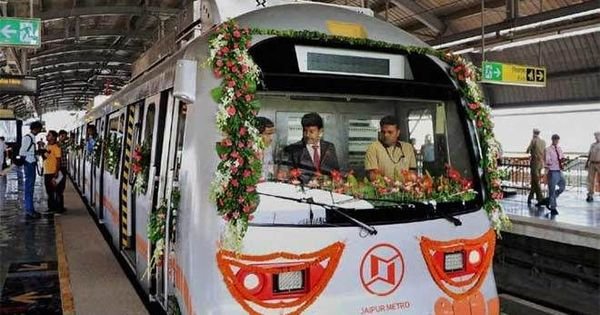
As India rapidly expands its urban infrastructure, metro rail projects are becoming symbols of modern development. However, experts argue that smaller cities need a broader approach that includes roads, water systems, public transport, housing, and digital infrastructure to support sustainable growth.
India’s expanding urban infrastructure has become a major focus of economic development, with metro rail projects being announced and constructed in several cities. While metros can improve urban mobility, urban planners increasingly emphasize that smaller cities need far more than rail networks to manage population growth, economic activity, and quality of life. For many Tier-2 and Tier-3 cities, the priority lies in building complete urban ecosystems rather than concentrating resources on a single transport solution.
Urban Infrastructure Growth Beyond Metropolitan India
India is expected to witness continued urbanization over the coming decades. Cities such as Nagpur, Indore, Surat, Coimbatore, Lucknow, Bhubaneswar, and Visakhapatnam are emerging as important economic centers. As industries, startups, educational institutions, and service sectors expand beyond major metros, these cities are attracting new residents and investments.
Urban infrastructure plays a critical role in supporting this transition. Roads, drainage systems, public transportation, water supply networks, waste management facilities, and digital connectivity form the foundation of urban development. While metro projects often receive significant public attention, urban experts note that smaller cities frequently face more pressing infrastructure challenges that affect daily life.
In many cases, citizens experience difficulties due to poor roads, traffic bottlenecks, inadequate public transport, and unreliable water supply long before a metro system becomes necessary.
Public Transport Solutions Need Local Context
One of the biggest debates surrounding urban mobility is whether metro rail is always the best solution for smaller cities. Metro systems require substantial investment, long construction timelines, and high passenger volumes to operate efficiently.
For many growing cities, alternatives such as electric buses, bus rapid transit systems, integrated city bus networks, and improved last-mile connectivity may deliver greater benefits at lower costs. Cities like Indore and Surat have demonstrated how well-managed bus systems can significantly improve urban mobility.
Public transport planning should reflect local travel patterns, population density, and economic conditions. A city with moderate traffic congestion may benefit more from affordable bus services than from expensive rail infrastructure. Improving connectivity between residential areas, industrial zones, and commercial districts often has a more immediate impact on commuters.
Water, Sanitation and Waste Management Remain Critical
While transportation projects dominate headlines, basic urban services continue to be major concerns in many Tier-2 and Tier-3 cities. Reliable drinking water, sewage treatment, stormwater drainage, and scientific waste disposal are essential for public health and sustainable development.
Several Indian cities face recurring water shortages during summer months and urban flooding during monsoon seasons. Rapid urban expansion often places additional pressure on existing infrastructure systems.
Investments in smart water management, wastewater recycling, and modern drainage systems can improve resilience against climate-related challenges. Effective waste management is equally important as growing populations generate larger volumes of municipal waste.
Without strengthening these basic services, infrastructure development may struggle to deliver long-term benefits to residents.
Affordable Housing and Digital Infrastructure Matter
Urban growth creates increasing demand for affordable housing. Rising property prices in expanding cities can place financial pressure on middle-income and lower-income households. Planned residential development, improved urban planning, and access to essential services help create more inclusive cities.
Digital infrastructure has also become a key component of modern urban development. High-speed internet, public digital services, smart governance platforms, and digital payment ecosystems support businesses and citizens alike.
As remote work, digital education, and e-governance continue to expand, reliable digital connectivity is becoming as important as physical infrastructure. Smaller cities that invest in digital infrastructure can attract startups, technology companies, and skilled professionals seeking alternatives to crowded metropolitan areas.
Building Livable and Sustainable Cities
Urban infrastructure should ultimately improve the quality of life for residents. This requires investments in public spaces, healthcare facilities, educational institutions, parks, cycling tracks, pedestrian-friendly streets, and environmental sustainability measures.
Cities that focus solely on large infrastructure projects may overlook the everyday needs of citizens. Sustainable urban planning involves balancing economic growth with environmental protection and social inclusion.
Many successful urban development models around the world prioritize integrated planning rather than isolated projects. For India’s smaller cities, the goal should be creating livable, efficient, and resilient urban environments capable of supporting future growth.
As urbanization accelerates, policymakers face the challenge of ensuring that infrastructure investments address both immediate needs and long-term development goals.
Key Takeaways
- Metro rail projects alone cannot solve all urban challenges in smaller cities.
- Public transport, water supply, sanitation, and waste management require equal attention.
- Affordable housing and digital infrastructure are becoming critical components of urban growth.
- Integrated and sustainable planning can help Tier-2 and Tier-3 cities grow more effectively.
FAQ
Why are metro projects being expanded in India?
Metro systems are being developed to improve urban mobility, reduce congestion, and support growing populations in major and emerging cities.
Are metros suitable for every city?
Not necessarily. The suitability of a metro depends on factors such as population density, travel demand, urban layout, and financial viability.
What infrastructure challenges do smaller cities face?
Common challenges include inadequate public transport, water shortages, poor drainage systems, waste management issues, and housing affordability concerns.
Why is digital infrastructure important for urban development?
Digital infrastructure supports economic activity, education, governance, remote work, and access to services, making cities more competitive and efficient.
(Keywords: India’s Urban Infrastructure, Tier-2 Cities Development, Smart Cities India, Urban Mobility Solutions, Public Transport India, Sustainable Urban Development, Tier-3 Cities Growth, City Infrastructure Projects)









Leave a comment