

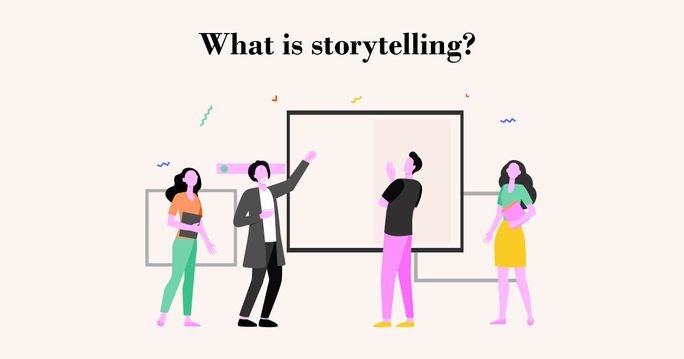
Authentic storytelling is becoming one of the most effective ways to build engagement on social media. As audiences grow more selective about the content they consume, creators and brands are finding that genuine experiences often outperform perfectly curated posts.
The rise of authentic storytelling on social media reflects a major shift in how users engage with digital content. For years, platforms such as Instagram, Facebook, and YouTube were dominated by highly polished images, carefully edited videos, and idealized lifestyles. While visually appealing content continues to have value, audiences today increasingly favor stories that feel real, relatable, and honest. This change is influencing how creators, influencers, brands, and even public figures communicate online.
The trend is particularly visible among Gen Z and younger millennials, who often prioritize transparency, personal experiences, and meaningful connections over perfection. As social media evolves, authenticity is becoming a powerful driver of engagement and trust.
Why Audiences Are Moving Away From Perfectly Curated Feeds
Social media platforms were once built around showcasing ideal moments. Users often shared carefully selected highlights of their lives, creating feeds filled with travel photos, luxury experiences, fitness achievements, and professionally edited content.
Over time, however, many users began to recognize that these curated images represented only a small part of reality. Constant exposure to idealized lifestyles sometimes led to feelings of comparison and social pressure.
As audiences became more aware of these dynamics, demand grew for content that reflected everyday experiences. Viewers increasingly responded to creators who shared personal struggles, lessons learned, failures, and behind-the-scenes moments.
Research across multiple social media platforms has consistently shown that audiences engage more deeply with content that feels genuine and emotionally relatable. Rather than presenting perfection, creators who share authentic stories often build stronger communities around their content.
The Rise of Relatable Content and Creator Transparency
One of the biggest social media trends in recent years has been the growth of relatable content. Creators are increasingly discussing topics such as career challenges, mental health awareness, financial struggles, entrepreneurship journeys, parenting experiences, and personal growth.
Transparency has become an important factor in audience trust. Followers often appreciate creators who openly discuss both successes and setbacks rather than presenting a flawless image.
Platforms like TikTok, Instagram Reels, and YouTube Shorts have accelerated this shift. Short-form video content allows creators to share spontaneous moments and real-life experiences in ways that feel less scripted.
This approach does not mean production quality is unimportant. Instead, audiences appear to value content that combines quality presentation with genuine storytelling. Authenticity and professionalism are no longer seen as opposites.
Why Brands Are Embracing Authentic Storytelling
The shift toward authenticity is not limited to individual creators. Businesses and brands are also adapting their marketing strategies to reflect changing audience expectations.
Consumers increasingly want to understand the people, values, and stories behind the products they purchase. As a result, brands are moving beyond traditional promotional content and focusing on customer experiences, founder journeys, employee stories, and community impact.
Authentic storytelling helps brands establish emotional connections with audiences. Rather than relying solely on advertisements, companies can build trust by demonstrating transparency and sharing meaningful narratives.
Many successful campaigns today focus on real customers and genuine experiences instead of highly scripted marketing messages. This approach often generates stronger engagement because audiences view the content as more credible and relatable.
For smaller businesses and startups, authentic storytelling can also be a cost-effective way to build brand awareness without large marketing budgets.
How Gen Z Is Driving the Authenticity Trend
Gen Z has played a significant role in shaping modern social media culture. Having grown up in a digital environment, this generation tends to recognize heavily edited or overly promotional content quickly.
Many younger users prefer creators who communicate openly and consistently. They are often more interested in personality, values, and authenticity than in aspirational lifestyles alone.
This preference has influenced influencer marketing, content creation strategies, and platform algorithms. Content that generates meaningful conversations and genuine engagement frequently performs better than content designed purely for visual appeal.
The popularity of day-in-the-life videos, behind-the-scenes content, personal storytelling, and unfiltered discussions illustrates how audience expectations have evolved.
As a result, creators who focus on building trust often develop stronger long-term relationships with their followers.
The Future of Social Media Content
The success of authentic storytelling does not mean that polished content will disappear. High-quality visuals and professional production remain important in many industries.
However, the future of social media is likely to involve a balance between quality and authenticity. Audiences increasingly want content that informs, entertains, and connects on a human level.
Creators and brands that understand this shift are likely to be better positioned for long-term success. Authentic storytelling allows audiences to see the people behind the content, creating stronger emotional connections and greater trust.
As social media platforms continue to evolve, authenticity may become one of the most valuable forms of digital influence.
Key Takeaways
- Audiences increasingly prefer authentic storytelling over highly curated social media content.
- Relatable experiences and transparency help creators build stronger engagement and trust.
- Brands are using genuine narratives to connect with consumers more effectively.
- Gen Z is driving demand for content that feels honest, personal, and meaningful.
FAQ
What is authentic storytelling on social media?
Authentic storytelling involves sharing real experiences, perspectives, challenges, and insights in a way that feels honest and relatable to audiences.
Why are curated social media feeds becoming less effective?
Many users have become more aware of unrealistic portrayals online and increasingly prefer content that reflects real-life experiences.
How does authentic storytelling help brands?
It builds trust, strengthens emotional connections, and helps consumers understand the values and people behind a brand.
Which social media platforms benefit most from authentic content?
Platforms such as Instagram, TikTok, YouTube, and Facebook all reward content that generates meaningful engagement and audience interaction.
(Keywords: Authentic Storytelling Social Media, Social Media Trends 2026, Gen Z Content Preferences, Influencer Marketing Trends, Authentic Content Strategy, Digital Storytelling, Social Media Engagement, Creator Economy Trends)











Leave a comment