

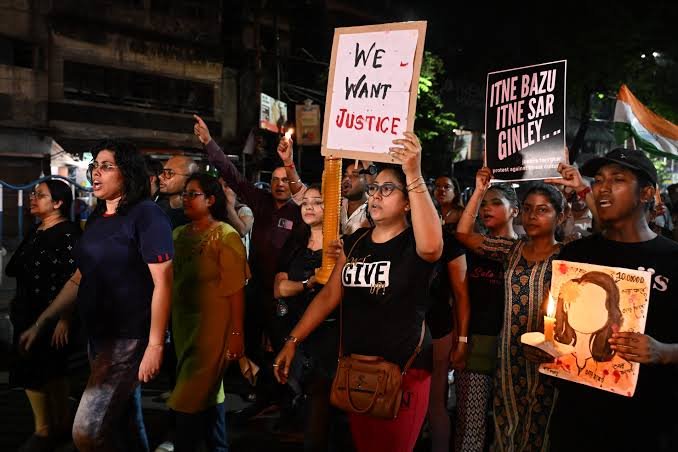
Doctor safety in India has once again become a national concern after fresh incidents of violence against healthcare workers triggered widespread protests. Medical associations are demanding stronger workplace security, stricter enforcement of existing laws, and long-term reforms to ensure hospitals remain safe for both doctors and patients.
The topic is time-sensitive. Recent protests across Maharashtra were sparked by the alleged assault of doctors and hospital staff at a civic hospital in Dombivli, bringing renewed attention to the issue of violence against healthcare professionals.
Fresh Incident Reignites Debate on Doctor Safety in India
Doctor safety in India has returned to the spotlight after resident doctors and healthcare workers across Maharashtra launched protests following an alleged assault on medical staff at a municipal hospital in Dombivli. The incident involved a political representative who was later arrested after public outrage and demands from medical associations. Protesting doctors continued emergency services in many places while wearing black ribbons to highlight concerns over workplace safety.
The latest case is not being viewed as an isolated incident. Instead, doctors’ organizations argue that it reflects a broader pattern of violence, intimidation, and threats faced by healthcare professionals across India.
Medical bodies have repeatedly stated that such incidents create fear among doctors, affect morale, and discourage young professionals from serving in high-pressure government hospitals where patient volumes are often extremely high.
Violence Against Healthcare Workers Is a Long-Standing Concern
Violence against doctors has been reported across multiple states over the years. The reasons vary from dissatisfaction over treatment outcomes and long waiting times to emotional distress following the death of patients.
Healthcare experts point out that government hospitals frequently operate under severe pressure. Limited infrastructure, shortage of beds, overcrowded emergency wards, and staff shortages often result in delays that are beyond the control of individual doctors.
Despite these challenges, healthcare workers are sometimes held personally responsible for systemic issues, increasing the risk of verbal abuse, physical assault, and intimidation.
The latest protests highlight that many doctors believe existing safety measures have not been implemented consistently enough to prevent such incidents.
Existing Laws and Why Doctors Want Stronger Enforcement
Several Indian states have enacted laws aimed at protecting healthcare workers and preventing violence inside hospitals. In addition, provisions under the Bharatiya Nyaya Sanhita and other applicable laws may be invoked depending on the nature of an offence.
However, medical associations argue that enforcement remains uneven. They have repeatedly demanded:
- Faster registration of criminal cases
- Swift investigation and prosecution
- Better police presence at vulnerable hospitals
- CCTV surveillance across medical facilities
- Controlled public access to emergency departments
- Zero tolerance for attacks on healthcare workers
Following the recent Dombivli incident, both government representatives and police assured that strict legal action would be taken against those responsible.
How Violence Affects Patients and the Healthcare System
When doctors protest over safety concerns, emergency services are usually maintained, but routine outpatient services and elective procedures may be disrupted.
This creates inconvenience for patients while also exposing a larger issue. Healthcare professionals argue that a safe working environment is essential for uninterrupted medical care.
Violence also contributes to stress, burnout, and emotional trauma among doctors. Reports following the recent incident indicate that at least one young doctor considered resigning after the assault, highlighting the psychological impact such events can have on early-career medical professionals.
Experts say that improving doctor safety ultimately benefits patients as well because secure hospitals are better equipped to provide timely and uninterrupted treatment.
Building Trust Between Patients and Healthcare Professionals
Improving doctor safety requires more than stronger policing. Experts believe hospitals also need better communication systems that keep families informed during emergencies.
Patient counselling, grievance redressal mechanisms, crowd management, and increased hospital staffing can reduce misunderstandings that sometimes escalate into conflict.
Public awareness also plays an important role. Medical treatment often involves uncertainty, and not every outcome is within a doctor’s control. Recognising this reality while ensuring accountability through proper legal channels is considered essential for maintaining trust in the healthcare system.
The ongoing protests are therefore not only about one incident but also about creating a safer environment where healthcare professionals can perform their duties without fear.
Key Takeaways
- Violence against doctors remains a recurring concern across India’s healthcare system.
- Recent protests were triggered by the alleged assault of medical staff at a municipal hospital in Dombivli.
- Medical associations are demanding stronger implementation of safety measures and quicker legal action.
- A safer workplace for doctors also improves continuity and quality of patient care.
FAQs
Q1. Why are doctors protesting in India?
Doctors are protesting to demand stronger protection after recent incidents of violence against healthcare workers, including the alleged assault on medical staff at a municipal hospital in Maharashtra.
Q2. Do states have laws to protect doctors?
Many states have legislation protecting healthcare workers, but medical associations say enforcement is often inconsistent and needs to be strengthened.
Q3. Do doctor protests affect patient services?
Emergency services are generally maintained, but routine outpatient departments and elective procedures may be temporarily affected during protests.
Q4. What measures can improve doctor safety?
Experts recommend stronger security, CCTV surveillance, better crowd management, faster legal action against offenders, and improved communication between hospitals and patients.









Leave a comment