

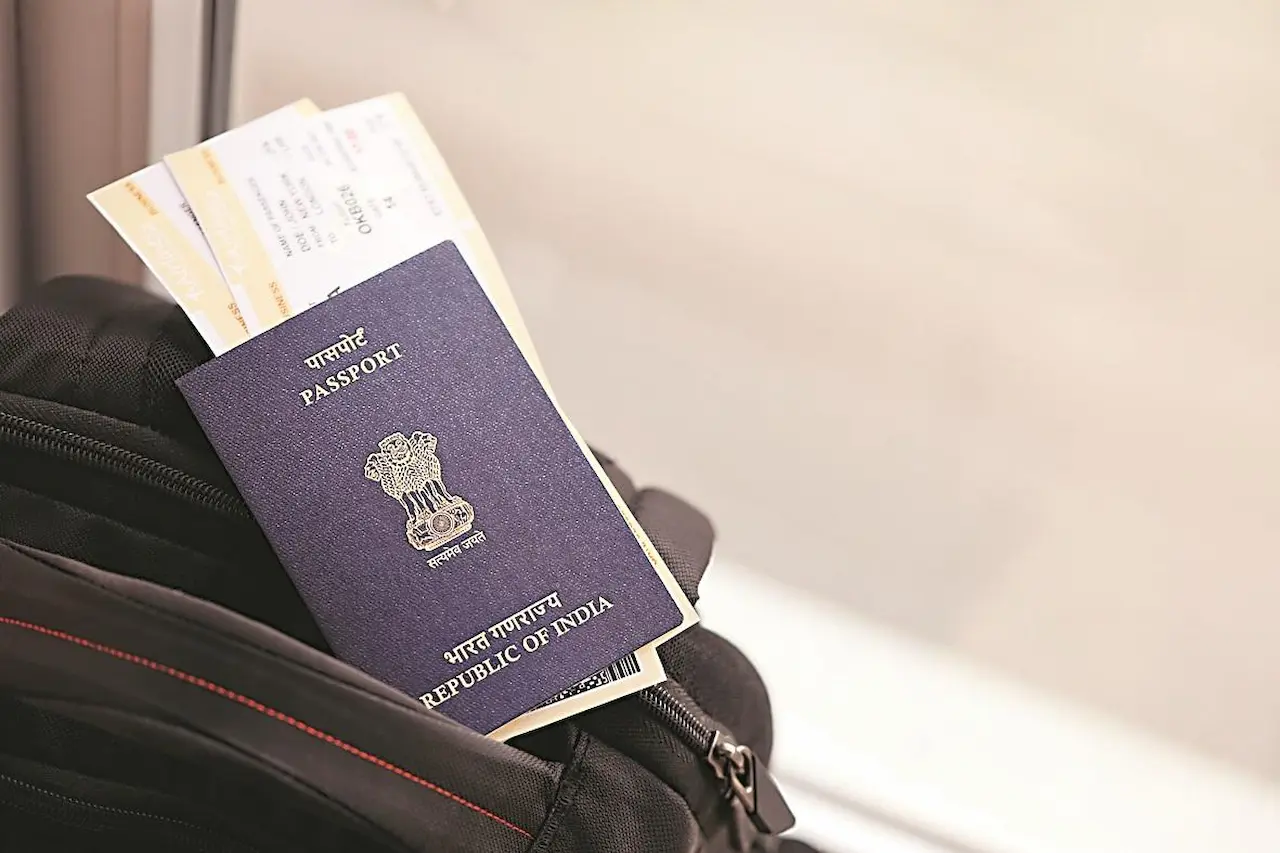
The Centre has clarified that an Indian passport is not conclusive proof of citizenship, triggering widespread discussion across the country. While passports are issued after verification, the government says citizenship is determined under the Citizenship Act, not by possession of a passport alone.
The Centre’s clarification that a passport is not proof of citizenship has sparked debate among citizens, legal experts and political leaders. For many Indians, a passport has long been viewed as one of the strongest official documents issued by the government. However, the Ministry of External Affairs (MEA) has reiterated that its primary purpose is to facilitate international travel and establish identity abroad, not to serve as definitive legal proof of Indian citizenship.
The clarification does not introduce a new rule. Instead, the government says it reflects the legal position that has existed for decades under the Citizenship Act, 1955, and the Passports Act, 1967.
Why the Centre Issued the Clarification
The statement came amid public discussion about which government documents can legally establish Indian citizenship. Officials explained that a passport is issued after verification of the applicant’s documents, but its issuance does not make it the sole or conclusive evidence of citizenship.
According to the Centre, citizenship in India is governed by the Citizenship Act, 1955. A person may become an Indian citizen through birth, descent, registration, naturalisation or incorporation of territory, depending on the circumstances and the law applicable at the time.
The government also referred to judicial observations that distinguish between a document serving as evidence and one being legally conclusive proof. This distinction has existed in legal interpretation for years and is not a recent policy change.
What Does a Passport Actually Prove?
An Indian passport remains one of the country’s most important government-issued documents. It enables international travel, provides identification overseas and allows Indian citizens to receive consular assistance while abroad.
However, the MEA says that its legal purpose is different from determining citizenship in every situation. A passport demonstrates that the government issued a travel document after completing prescribed verification procedures, but questions relating to citizenship are ultimately decided under the Citizenship Act and related legal provisions.
This distinction becomes important in legal disputes, immigration matters or citizenship verification proceedings, where authorities may examine multiple records rather than relying on a single document.
Which Documents Can Help Establish Citizenship?
One of the biggest questions raised after the clarification is whether any single document proves Indian citizenship.
The answer is generally no. There is no universal document automatically issued to every Indian citizen that conclusively establishes citizenship in all situations.
Instead, authorities may consider a combination of documents depending on how citizenship is claimed. These may include birth records, parental records, citizenship certificates issued through registration or naturalisation, official government records and other supporting evidence. Courts generally assess the complete set of available documents instead of relying exclusively on one identity document.
Similarly, Aadhaar cards, voter identity cards, PAN cards and driving licences primarily establish identity or eligibility for specific services rather than acting as standalone proof of citizenship.
What the Clarification Means for Ordinary Citizens
For most Indian citizens, the clarification does not change day-to-day life. Passports remain valid travel documents, continue to be accepted for international travel and remain important identity documents for many official purposes.
The clarification mainly affects the legal understanding of citizenship documentation rather than the validity of existing passports. Citizens do not need to surrender or replace their passports because of this announcement.
However, the discussion has highlighted the importance of maintaining other essential records, including birth certificates and relevant government documents, especially in situations where citizenship may need to be legally established.
Legal experts also point out that citizenship questions are generally examined based on applicable laws and supporting evidence rather than any single document.
Why the Issue Has Generated Public Debate
The Centre’s clarification has attracted significant public attention because many people traditionally considered a passport to be the strongest evidence of Indian citizenship.
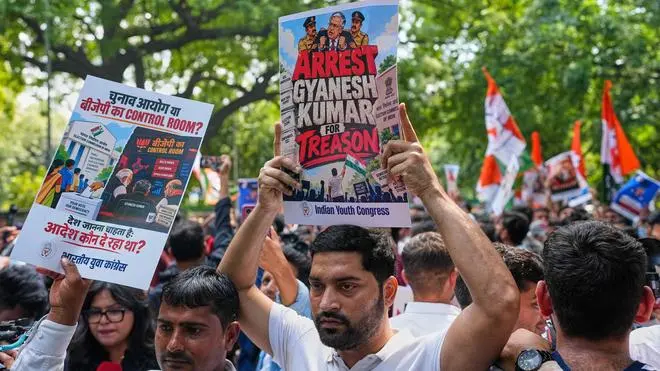
The announcement has also led to political reactions and renewed discussion about citizenship verification processes in India. While critics have questioned the practical implications, the government maintains that it has merely reiterated an existing legal position supported by legislation and previous court rulings.
Officials have emphasised that there has been no change in policy regarding passport issuance. Indian passports continue to be issued after verification under existing procedures, and the clarification only explains their legal status concerning citizenship.
Key Takeaways
- The Centre has clarified that an Indian passport is not conclusive proof of citizenship.
- Citizenship in India is determined under the Citizenship Act, 1955, not by possession of a passport alone.
- Passports remain valid travel and identity documents for international use.
- Citizenship-related cases may require authorities to examine multiple supporting documents rather than relying on a single record.
FAQs
Q1. Is an Indian passport still valid after this clarification?
Yes. The clarification does not affect the validity of Indian passports for travel or identification purposes.
Q2. Why is a passport not considered conclusive proof of citizenship?
Because citizenship is determined under the Citizenship Act, 1955. A passport is primarily a travel document issued after verification but is not the final legal authority on citizenship in every case.
Q3. Is Aadhaar proof of Indian citizenship?
No. Aadhaar establishes identity and residency for specific purposes but is not proof of citizenship.
Q4. Has the government introduced a new citizenship rule?
No. The Centre says the clarification reiterates an existing legal position and does not introduce a new policy regarding passports or citizenship.
(Internal Keyword Suggestions: passport not proof of citizenship, Indian passport citizenship, Centre clarification passport, Citizenship Act 1955, Passports Act 1967, MEA passport statement, proof of Indian citizenship, passport news India, citizenship documents India, Indian passport rules)










Leave a comment