

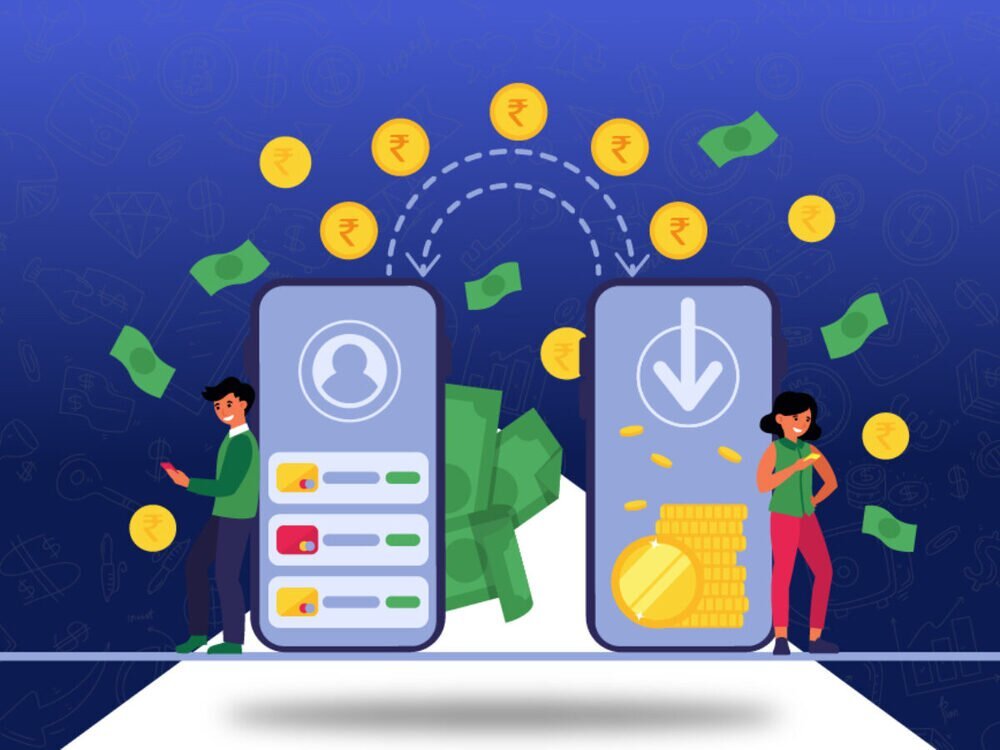
Digital lending is expanding rapidly across India’s Tier 2 and Tier 3 cities, making credit more accessible to individuals and small businesses. While the sector has improved financial inclusion, it has also raised concerns about fraud, hidden charges, and responsible borrowing, making consumer awareness more important than ever.
Digital lending in small cities has transformed the way people access credit in India. Instead of visiting bank branches and completing lengthy paperwork, borrowers can now apply for personal loans, business loans, and credit lines using mobile apps. This shift has been driven by growing smartphone adoption, better internet connectivity, digital payment systems, and wider use of Aadhaar-based verification.
The Reserve Bank of India (RBI) has also introduced guidelines to improve transparency and consumer protection in digital lending. Despite these improvements, borrowers in Tier 2 and Tier 3 cities continue to face challenges such as fraudulent lending apps, misleading advertisements, and limited financial awareness. As digital lending becomes a larger part of India’s financial ecosystem, understanding both its benefits and risks is essential.
Why Digital Lending Is Growing Rapidly Beyond Metro Cities
One of the biggest reasons behind the growth of digital lending is the increasing availability of smartphones and affordable internet services. Millions of people in smaller cities now use digital banking, UPI payments, and financial apps daily, making online borrowing a natural extension of their financial habits.
Another factor is the rising demand for quick credit. Small business owners, shopkeepers, freelancers, students, and salaried employees often require immediate funds for education, healthcare, business expansion, or emergencies. Traditional bank loans may take several days or weeks for approval, while many digital lenders promise faster processing through automated verification.
Government initiatives promoting digital financial inclusion and wider banking access have also encouraged the growth of fintech companies. These firms use technology-driven credit assessment models that help evaluate borrowers who may not have a long credit history.
How Fintech Companies Are Changing Credit Access
The growth of fintech lending has made borrowing more convenient for customers who previously had limited access to formal financial institutions. Digital lenders increasingly use alternative data points, including income patterns, repayment history, and financial behaviour, to assess creditworthiness.
Many regulated digital lending platforms now provide instant loan eligibility checks, transparent repayment schedules, and digital documentation. This has helped micro, small, and medium enterprises (MSMEs) secure working capital without extensive paperwork.
For entrepreneurs in smaller cities, easier access to short-term credit can support inventory purchases, business expansion, and seasonal cash flow requirements. Students and young professionals have also benefited from education loans and consumer finance options offered through digital platforms.
Consumer Risks Continue to Remain a Serious Concern
Despite the convenience, digital lending also presents several risks. Illegal loan apps operating without proper regulatory approval have targeted unsuspecting borrowers by promising instant approvals with minimal documentation.
Some borrowers have reported hidden processing fees, extremely high interest rates, aggressive recovery practices, and misuse of personal data. Financial experts have repeatedly advised consumers to verify whether a lending platform operates through an RBI-regulated entity before sharing sensitive information.
Borrowers should carefully review loan agreements, understand repayment schedules, compare annual interest costs, and avoid taking multiple short-term loans simultaneously. Reading customer reviews alone is not sufficient, as fake reviews are increasingly common on digital platforms.
Consumer awareness campaigns by regulators and financial institutions have become increasingly important in educating first-time borrowers about safe lending practices.
RBI Guidelines Aim to Improve Transparency
The Reserve Bank of India has introduced digital lending guidelines to strengthen consumer protection across the sector. Under these rules, regulated entities are expected to provide borrowers with clear information regarding loan terms, fees, grievance mechanisms, and repayment obligations.
The guidelines also seek to improve transparency in how customer data is collected and used. Loan disbursements and repayments are expected to occur directly between regulated lenders and borrowers, reducing the role of unauthorised intermediaries.
These measures are intended to improve trust in India’s growing digital lending ecosystem while encouraging responsible innovation among fintech companies.
As regulatory oversight continues to evolve, consumers are expected to benefit from stronger safeguards while genuine digital lenders gain greater credibility.
Building Financial Awareness Will Be Key
Technology alone cannot ensure responsible borrowing. Financial literacy remains one of the most important factors influencing successful use of digital credit.
Schools, colleges, banks, fintech firms, and local authorities can play a larger role in educating citizens about budgeting, credit scores, loan repayments, fraud prevention, and responsible borrowing habits.
Small-city borrowers should avoid borrowing beyond their repayment capacity and should compare multiple regulated lenders before making financial decisions. Understanding the total borrowing cost rather than focusing only on monthly instalments can prevent long-term financial stress.
As India’s digital economy expands, digital lending will continue to support financial inclusion. However, sustained consumer awareness, stronger regulation, and responsible lending practices will determine whether this growth remains safe and beneficial for millions of borrowers.
Key Takeaways
- Digital lending is improving access to credit across Tier 2 and Tier 3 cities.
- Fintech companies are helping individuals and MSMEs obtain faster loan approvals through digital platforms.
- Borrowers should verify lenders, understand loan terms, and avoid fraudulent lending apps.
- RBI regulations are strengthening transparency and consumer protection in India’s digital lending ecosystem.
Frequently Asked Questions
Q1. What is digital lending?
Digital lending is the process of applying for, approving, and managing loans through online platforms or mobile applications without visiting a physical bank branch.
Q2. Is digital lending safe in India?
Digital lending can be safe when borrowers use RBI-regulated lenders, carefully review loan terms, and avoid unauthorised loan applications.
Q3. Why is digital lending becoming popular in small cities?
Greater smartphone usage, improved internet access, faster loan approvals, and increasing financial inclusion have contributed to its rapid growth in Tier 2 and Tier 3 cities.
Q4. How can borrowers avoid digital loan fraud?
Borrowers should verify the lender’s credentials, read all loan conditions, avoid sharing unnecessary personal information, and report suspicious lending apps to the appropriate authorities.
(Internal keyword suggestions: Digital Lending in India, Digital Lending in Small Cities, Fintech India, RBI Digital Lending Guidelines, Online Loan Apps, Financial Inclusion India, Consumer Awareness, MSME Loans, Digital Credit, Safe Borrowing Practices)










Leave a comment