

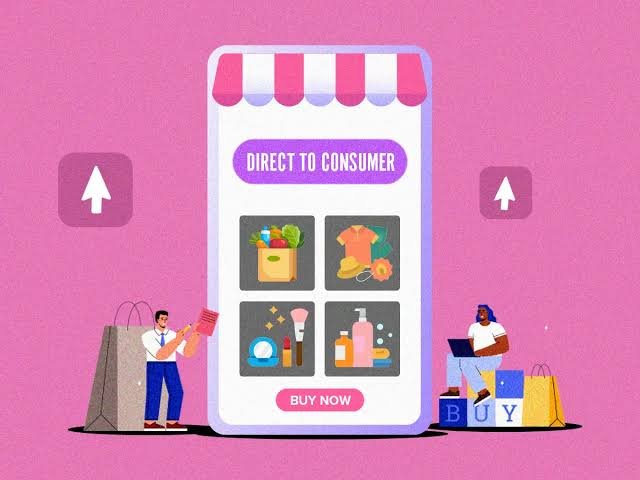
India’s direct-to-consumer (D2C) brands are witnessing rapid growth in Tier 2 and Tier 3 cities as internet penetration, digital payments and changing consumer preferences reshape shopping habits. Smaller cities are becoming the next major growth engine for Indian consumer brands.
Topic Classification: Evergreen with current market relevance
India’s D2C brands are expanding faster in Tier 2 markets than ever before, reflecting a significant shift in the country’s consumer landscape. Once largely dependent on metro cities for growth, many direct-to-consumer companies are now generating a substantial share of their sales from smaller cities and towns. Rising smartphone adoption, affordable internet, widespread use of UPI and growing consumer confidence in online shopping have created new opportunities for brands across categories including fashion, beauty, home essentials, electronics, food and personal care.
The expansion is not limited to established brands. Emerging startups are also targeting Tier 2 and Tier 3 consumers from the beginning of their business journey, recognizing that India’s next wave of digital commerce growth is increasingly coming from beyond the metropolitan markets.
Why Tier-2 Markets Have Become a Priority
Over the past few years, India’s digital economy has expanded well beyond major cities. According to industry reports, internet users from smaller towns now account for the majority of new digital consumers. Improved mobile connectivity and affordable smartphones have enabled millions of people to explore online shopping for the first time.
At the same time, digital payment platforms such as UPI have made transactions easier and more secure. Consumers who once preferred cash-on-delivery are becoming increasingly comfortable with digital payments, encouraging higher online spending.
For D2C brands, this changing landscape represents an opportunity to reach large customer segments with relatively lower customer acquisition costs compared to highly competitive metro markets. Many companies now view Tier 2 cities not as secondary markets but as core growth regions.
What Makes D2C Brands Attractive to Smaller Cities?
Unlike traditional retail businesses that depend heavily on physical stores, D2C brands sell directly to consumers through their own websites, mobile applications and digital marketplaces. This business model allows companies to build stronger customer relationships while collecting valuable insights about consumer preferences.
Consumers in Tier 2 cities are increasingly looking for premium products, personalized experiences and better value for money. D2C brands often meet these expectations by offering exclusive online collections, transparent pricing and direct customer support.
Many brands are also introducing regional language content, simplified mobile shopping experiences and localized marketing campaigns. These efforts make online shopping more accessible and help brands build trust among first-time buyers.
Categories Leading the Growth
Several product categories are benefiting from the rise of Tier 2 digital consumers. Fashion and apparel remain among the fastest-growing segments as younger consumers seek trendy products without relying on traditional retail outlets.
Beauty and personal care brands have also expanded rapidly by using influencer marketing, educational content and affordable trial packs. Health supplements, skincare products and wellness brands are gaining popularity among consumers who actively research products before making purchases.
Home décor, kitchen products, consumer electronics and lifestyle accessories have witnessed similar momentum. Parents in smaller cities are increasingly purchasing children’s products, educational toys and learning tools through D2C platforms.
Food and beverage startups are also reaching new audiences by offering specialty snacks, healthy foods and regional products directly to consumers.
Social Media Is Driving Consumer Discovery
Social media platforms have become one of the biggest growth drivers for D2C businesses. Consumers in smaller cities are discovering products through Instagram, YouTube, Facebook and short-video platforms before making buying decisions.
Content creators and regional influencers play a major role in introducing new brands to local audiences. Instead of relying solely on celebrity endorsements, many companies now collaborate with micro-influencers who have strong engagement within specific communities.
User-generated reviews, product demonstrations and customer testimonials also influence purchasing decisions. As internet literacy improves, consumers increasingly compare products online before placing orders.
This digital-first approach allows D2C brands to build brand awareness even in areas where they do not operate physical stores.
Logistics and Technology Are Supporting Expansion
Growth in Tier 2 markets would not have been possible without improvements in India’s logistics infrastructure. Faster deliveries, better warehousing and expanded courier networks have significantly improved the online shopping experience.
Technology has also made inventory management, customer service and order tracking more efficient. Artificial intelligence is helping brands personalize recommendations, while data analytics enables businesses to understand purchasing behaviour across different regions.
Many companies now use omnichannel strategies by combining online sales with offline experience centres, retail partnerships and local distribution networks. This approach allows brands to serve customers through multiple touchpoints while maintaining consistent service quality.
Challenges That D2C Brands Must Overcome
Despite strong growth, expanding into smaller cities presents several challenges. Customer acquisition still requires continuous investment in digital marketing and brand education. Building trust among first-time online shoppers remains essential, especially for premium products.
Logistics costs can be higher in remote locations, while product returns may affect operational efficiency. Companies must also manage inventory carefully to avoid delivery delays during festive seasons and promotional campaigns.
Competition has intensified as more startups enter the D2C space and established retailers strengthen their online presence. Success increasingly depends on product quality, customer experience and long-term brand loyalty rather than discounts alone.
The Future of India’s D2C Ecosystem
Industry experts believe Tier 2 and Tier 3 cities will continue to drive the next phase of India’s consumer economy. Rising disposable incomes, digital literacy and aspirations for premium products are encouraging more households to shop online regularly.
Government initiatives supporting digital infrastructure, improved broadband connectivity and expanding payment ecosystems further strengthen this momentum. As more consumers embrace digital commerce, D2C brands are expected to invest heavily in regional marketing, localized product offerings and faster delivery networks.
For India’s startup ecosystem, this shift represents a significant opportunity. Instead of competing only in crowded metropolitan markets, companies can build sustainable growth by serving consumers across smaller cities where demand continues to rise rapidly.
Takeaways
- Tier 2 and Tier 3 cities have become major growth markets for India’s D2C brands.
- Smartphone adoption, UPI and affordable internet are driving digital shopping beyond metro cities.
- Fashion, beauty, wellness, home products and food brands are among the fastest-growing D2C categories.
- Localized marketing, efficient logistics and strong customer experience will remain key to long-term success.
Frequently Asked Questions
Q1. What are D2C brands?
D2C, or direct-to-consumer brands, sell products directly to customers through their own digital channels instead of relying primarily on traditional retail intermediaries.
Q2. Why are Tier 2 cities important for D2C companies?
These cities offer a rapidly growing customer base, increasing internet usage, rising disposable incomes and expanding digital payment adoption.
Q3. Which sectors are seeing the highest D2C growth?
Fashion, beauty, personal care, wellness, food, home décor, electronics and lifestyle products are among the leading categories.
Q4. What challenges do D2C brands face in smaller cities?
Key challenges include logistics costs, customer acquisition, building trust among first-time online shoppers and managing returns efficiently.
(Internal Keywords: D2C brands India, Tier 2 markets, Tier 3 cities, Indian startups, direct-to-consumer brands, e-commerce India, digital shopping, online retail growth, consumer brands India, D2C business trends)







Leave a comment