

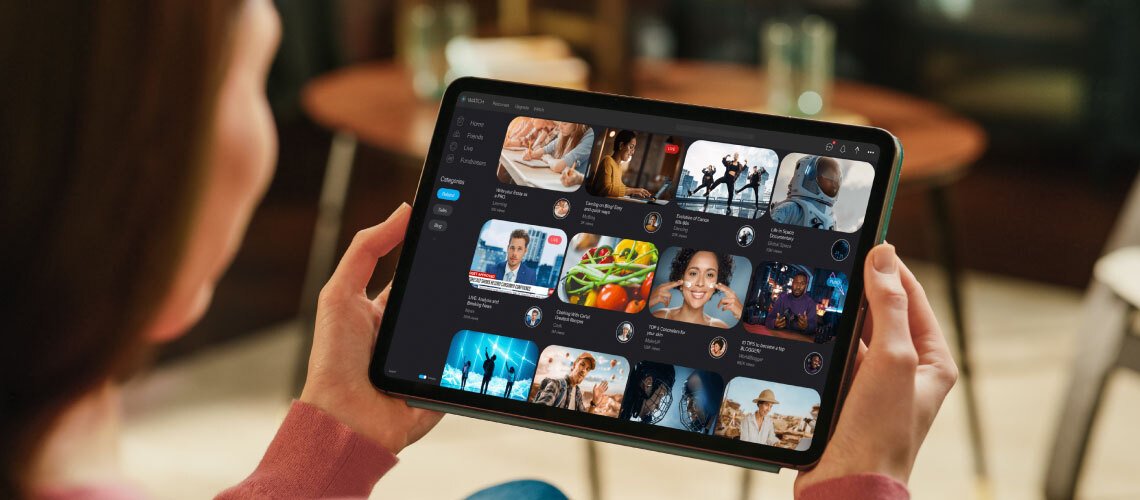
Streaming platforms have transformed how Indian families watch movies, TV shows, and live entertainment. From flexible viewing schedules to multilingual content and personalized recommendations, OTT services are reshaping entertainment habits across urban and Tier-2 cities while influencing family interactions and media consumption.
The topic is evergreen. While streaming services continue to introduce new features and content regularly, the broader shift in family entertainment habits is an ongoing trend rather than a time-sensitive news event. This article follows an educational and analytical approach.
Streaming platforms have fundamentally changed family entertainment habits in India. Over the last decade, services such as Netflix, Amazon Prime Video, Disney+ Hotstar, JioHotstar, Sony LIV, ZEE5, and others have given viewers the freedom to watch content whenever and wherever they choose. Unlike traditional television, which follows fixed schedules, streaming platforms allow families to personalize their viewing experience. As internet connectivity improves and smart TVs become more common, especially in Tier-2 and Tier-3 cities, OTT entertainment has become a regular part of household life.
On-Demand Viewing Has Replaced Fixed Television Schedules
One of the biggest changes brought by streaming platforms is flexibility. Earlier, families gathered around the television at a specific time to watch their favorite serials or weekend movies. Missing an episode often meant waiting for a repeat telecast.
Streaming services have removed those limitations. Families can now watch shows according to their own schedules, whether after dinner, during weekends, or while travelling. Busy work routines, school schedules, and different lifestyles no longer prevent family members from enjoying the same content.
This convenience has also encouraged binge-watching, where viewers watch multiple episodes in one sitting. While some families use this as shared leisure time, others choose individual viewing based on personal preferences.
Regional Content Is Bringing Families Together
A major reason for the growth of OTT platforms in India is the availability of multilingual and regional content. Streaming services now offer movies, web series, documentaries, and children’s programming in Hindi, Tamil, Telugu, Malayalam, Bengali, Marathi, Kannada, Punjabi, and several other languages.
For families living outside their home states, regional programming helps preserve cultural connections. Grandparents, parents, and children can enjoy stories in their native language without depending on satellite television.
Streaming platforms have also invested heavily in original Indian productions. Regional creators are reaching larger audiences than ever before, allowing viewers to discover stories that were previously limited to local television or cinemas.
This diversity has expanded entertainment choices while giving regional cinema and storytelling greater national recognition.
Personalized Recommendations Are Changing Viewing Choices
Unlike traditional television, streaming platforms rely on algorithms to recommend content based on viewing history. Every family member can have a separate profile with customized suggestions, making it easier to discover movies, documentaries, educational programmes, and children’s entertainment.
Parents can create dedicated kids’ profiles with age-appropriate content and parental controls, helping manage what younger viewers can access.
At the same time, personalized recommendations have changed how people explore entertainment. Instead of waiting for promotional advertisements or television schedules, viewers often discover new shows through platform recommendations, trending lists, or social media discussions.
This shift has increased the popularity of niche genres, regional productions, documentaries, and international content among Indian audiences.
Smart Devices Have Made Entertainment More Accessible
The rapid growth of smartphones, affordable broadband, fiber internet, and connected televisions has made streaming accessible across India. Families no longer rely on a single television set in the living room.
People can begin watching a movie on a smart TV, continue it on a mobile phone during travel, and finish it later on a tablet or laptop. This multi-device experience offers flexibility that traditional television cannot match.
Tier-2 and Tier-3 cities have contributed significantly to the expansion of streaming services. Improved internet infrastructure, affordable data plans, and increasing digital literacy have encouraged more households to adopt OTT subscriptions.
Many platforms also allow content downloads for offline viewing, making entertainment accessible even in areas with inconsistent internet connectivity.
Family Entertainment Is Becoming More Interactive
Streaming platforms have also influenced how families discuss entertainment. Social media conversations, online reviews, fan communities, and recommendation lists often shape viewing decisions before families select a movie or series.
Documentaries, historical dramas, travel programmes, cooking shows, and educational content have expanded family viewing beyond traditional fiction. Parents increasingly use streaming services for children’s educational programming alongside entertainment.
However, experts also point out certain challenges. Individual viewing on personal devices may reduce shared family television time, while excessive screen usage continues to raise concerns about digital well-being. Parents are therefore encouraged to balance entertainment with healthy screen-time habits and use available parental control features.
Despite these concerns, streaming platforms continue to redefine entertainment by offering convenience, choice, and greater accessibility. As internet connectivity improves and content libraries expand, OTT services are expected to remain a central part of family entertainment across India for years to come.
Key Takeaways
- Streaming platforms allow families to watch content on their own schedules instead of following fixed television timings.
- Regional language programming has expanded entertainment choices and strengthened cultural connections.
- Personalized recommendations and parental controls create customized viewing experiences for every family member.
- Better internet connectivity and smart devices are driving OTT adoption across Tier-2 and Tier-3 cities.
Frequently Asked Questions
1. Why are streaming platforms becoming more popular among Indian families?
They offer flexible viewing, multilingual content, affordable subscription options, and access across multiple devices, making entertainment more convenient.
2. How have OTT platforms changed traditional television viewing?
Streaming services have shifted audiences from scheduled television broadcasts to on-demand viewing, allowing users to watch content whenever they prefer.
3. Are streaming platforms suitable for children?
Most major OTT services provide dedicated children’s profiles, parental controls, and age-based content filters that help parents manage viewing safely.
4. Why is regional content important on streaming platforms?
Regional programming allows viewers to enjoy stories in their native languages, supports local creators, and makes entertainment more inclusive for diverse audiences across India.












Leave a comment