

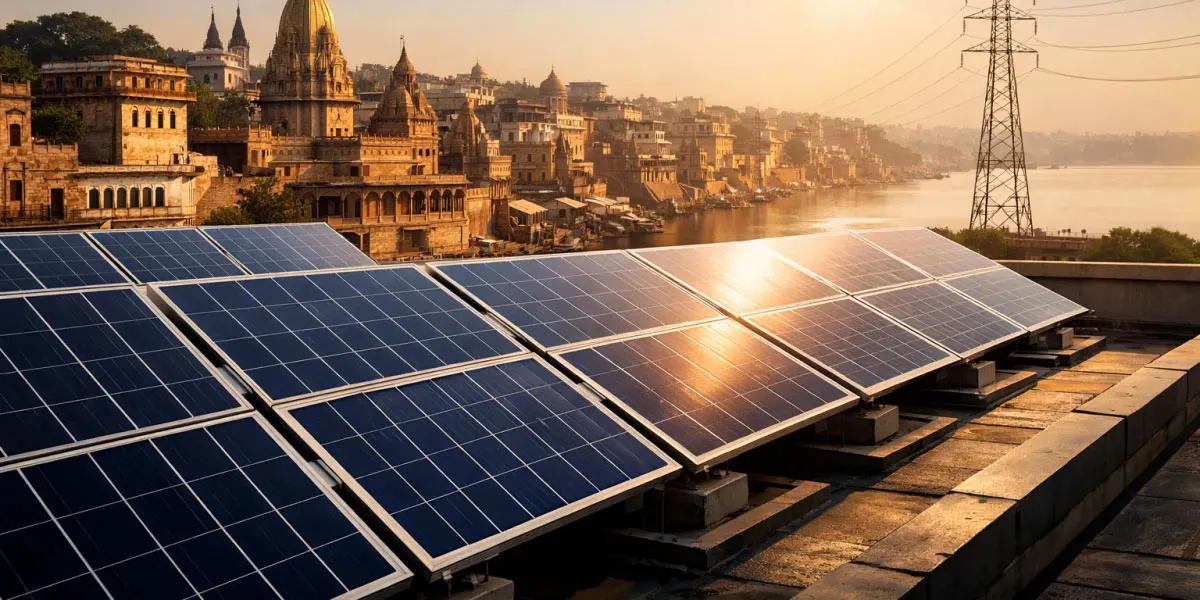
India’s urban development is increasingly being shaped by solar rooftops, smart roads, and modern water infrastructure. While several states are making notable progress, the pace and focus vary depending on local priorities, funding, and urban planning needs.
The topic Solar Rooftops, Smart Roads and Water Projects is an evergreen topic with current relevance, not a breaking news story. While new infrastructure projects are announced regularly, the broader trend of sustainable urban development has been evolving over several years. Therefore, this article follows an informative and analytical style while incorporating the latest policy direction and infrastructure developments in India.
India’s cities are expanding rapidly, creating new challenges related to energy demand, traffic congestion, water scarcity, and climate resilience. To address these issues, both the Central and state governments are investing in cleaner energy, modern road infrastructure, and efficient water management systems. States such as Gujarat, Maharashtra, Uttar Pradesh, Karnataka, Tamil Nadu, Telangana, Madhya Pradesh, and Odisha have emerged as key contributors to this transformation through large-scale urban development initiatives.
Solar Rooftop Projects Are Reshaping India’s Energy Landscape
One of the most visible changes in urban development is the rapid expansion of rooftop solar installations. Under the PM Surya Ghar Muft Bijli Yojana and earlier rooftop solar initiatives, households, commercial buildings, educational institutions, and government offices are increasingly adopting solar power.
Gujarat continues to lead India’s rooftop solar adoption due to strong policy support, consumer awareness, and efficient implementation. Cities like Surat, Ahmedabad, and Rajkot have witnessed significant residential solar installations.
Maharashtra has also expanded rooftop solar adoption across Mumbai, Pune, Nagpur, Nashik, and several municipal corporations. Karnataka and Telangana have similarly encouraged commercial and institutional rooftop projects through state incentives and simplified approval processes.
The shift towards rooftop solar not only reduces electricity bills but also lowers pressure on conventional power generation and helps cities move towards cleaner energy sources.
Smart Roads Are Improving Urban Mobility Across States
Road infrastructure is no longer limited to wider highways. Modern urban planning now focuses on smart roads that integrate pedestrian pathways, cycling tracks, underground utility ducts, LED lighting, rainwater drainage, digital traffic systems, and green landscaping.
Cities developed under the Smart Cities Mission have introduced several such projects. Indore, Surat, Bhubaneswar, Pune, Ahmedabad, Visakhapatnam, and Bhopal have implemented smart road corridors designed to improve both traffic movement and public convenience.
These projects aim to reduce repeated road digging by placing utility lines underground while creating safer spaces for pedestrians and cyclists. Intelligent traffic management systems also improve vehicle movement by using real-time monitoring and adaptive traffic signals.
Tier-2 cities are increasingly adopting similar models as urban populations continue to grow.
Water Infrastructure Is Becoming a Priority for Urban Sustainability
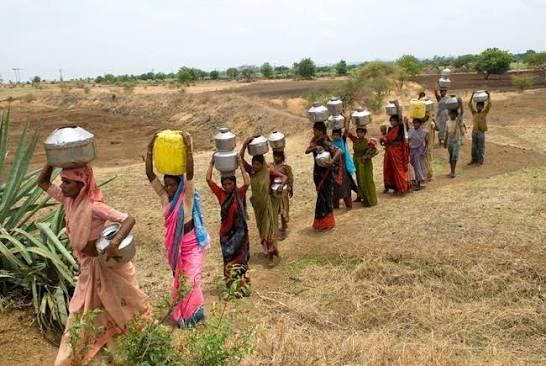
Water security has become one of India’s biggest urban challenges. Rapid population growth, climate variability, and ageing infrastructure have increased pressure on municipal water systems.
Several states have responded by investing in water supply upgrades, sewage treatment plants, river rejuvenation, rainwater harvesting, and smart water management technologies.
Tamil Nadu has strengthened desalination capacity and rainwater harvesting initiatives to improve long-term water availability. Maharashtra has expanded wastewater recycling projects in cities including Nagpur and Pune. Gujarat has invested in integrated water distribution systems, while Uttar Pradesh has undertaken large riverfront and urban water infrastructure improvements alongside drinking water projects.
Many Smart Cities have also installed digital water meters and leak detection systems to reduce water losses and improve supply efficiency.
These investments are becoming increasingly important as urban centres prepare for future climate-related challenges.
Which States Are Leading Urban Development?
Urban development varies across states because each region has different priorities and geographical conditions. However, some states consistently perform well across multiple infrastructure sectors.
Gujarat remains one of the strongest performers due to its emphasis on renewable energy, industrial infrastructure, and urban planning.
Maharashtra continues investing heavily in metro projects, smart city development, water recycling, and digital governance across major and emerging cities.
Karnataka combines technology-driven urban planning with sustainable infrastructure, particularly in Bengaluru, Mysuru, and Hubballi-Dharwad.
Tamil Nadu has focused on integrated mobility, flood management, water conservation, and renewable energy.
Uttar Pradesh has accelerated infrastructure development through expressways, urban renewal projects, smart cities, and public transport improvements.
Madhya Pradesh, Odisha, Telangana, and Andhra Pradesh have also demonstrated significant progress through Smart Cities Mission projects and digital municipal services.
Rather than competing on a single metric, these states are leading in different aspects of sustainable urban development.
Why Tier-2 Cities Are Becoming the New Growth Centres
One of the biggest shifts in India’s infrastructure story is the growing importance of Tier-2 and Tier-3 cities.
Cities such as Indore, Surat, Nagpur, Prayagraj, Coimbatore, Bhubaneswar, Vadodara, Mysuru, and Visakhapatnam are receiving increased public investment in transport, clean energy, digital governance, housing, and water infrastructure.
These cities offer lower development costs, expanding industrial ecosystems, and improving quality of life, making them attractive destinations for businesses and skilled professionals.
Government programmes including the Smart Cities Mission, AMRUT, PM Surya Ghar Muft Bijli Yojana, Jal Jeevan Mission, and urban mobility initiatives are helping smaller cities modernise at a faster pace than before.
As India moves towards sustainable urbanisation, these cities are expected to play an even larger role in economic growth and innovation.
The Road Ahead for India’s Urban Future
India’s urban development is increasingly centred on sustainability rather than expansion alone. Solar rooftops reduce dependence on conventional energy, smart roads improve mobility and safety, while advanced water infrastructure strengthens climate resilience.
Although challenges remain in project execution, funding, and maintenance, the direction is clear. Cities that successfully integrate renewable energy, efficient transport, digital governance, and water security will be better prepared for future population growth and environmental pressures.
The progress seen across multiple states demonstrates that urban development is no longer confined to metropolitan regions. Smaller cities are emerging as important examples of how technology, infrastructure, and sustainable planning can work together to improve everyday life for millions of Indians.
Takeaways
- Gujarat, Maharashtra, Karnataka, Tamil Nadu, and Uttar Pradesh are among the leading states in sustainable urban development.
- Rooftop solar projects are helping cities reduce electricity costs and increase renewable energy adoption.
- Smart roads improve mobility through integrated utilities, digital traffic management, and pedestrian-friendly infrastructure.
- Water conservation, wastewater recycling, and smart water management are becoming central to future-ready cities.
FAQ
Q1. Which state leads India in rooftop solar adoption?
Gujarat is widely recognised as the leading state in rooftop solar installations due to strong policy implementation and high residential participation.
Q2. What are smart roads?
Smart roads integrate modern infrastructure such as underground utilities, LED lighting, intelligent traffic systems, cycling tracks, pedestrian pathways, and efficient drainage to improve urban mobility and maintenance.
Q3. Why are water projects important for urban development?
Water projects improve drinking water supply, reduce losses through leak detection, promote wastewater recycling, and help cities become more resilient to climate change and population growth.
Q4. Why are Tier-2 cities receiving greater infrastructure investment?
Tier-2 cities offer significant growth potential, lower development costs, expanding industries, and increasing populations, making them important centres for future urban and economic development.








Leave a comment