


Uttar Pradesh is stepping up its Japan investment push with new manufacturing projects, a proposed 500-acre Japanese industrial hub and discussions across semiconductors, green energy and digital infrastructure. The immediate focus is on projects worth ₹3,191 crore that could create more than 10,000 jobs.
UP-Japan Investment Meet 2026 puts jobs at the centre
The UP-Japan Investment Meet 2026 is taking place from August 18 to 23, bringing more than 200 Japanese industrialists, CEOs, business representatives and policymakers into discussions with the Uttar Pradesh government. The programme covers New Delhi and several UP cities, including Lucknow, Agra, Greater Noida and Varanasi.
The timing is significant because the state is trying to move beyond investment announcements and attract projects that can actually expand manufacturing capacity, supply chains and employment.
The August 19 CEO roundtable in New Delhi is focusing on areas including manufacturing, green hydrogen, renewable energy, electric mobility, semiconductors, advanced materials, automotive components and digital infrastructure. The main state-level investment conference is scheduled for August 21 in Lucknow.
For workers and young job seekers, the most concrete part of the programme is the set of projects already proposed in the Yamuna Expressway Industrial Development Authority, or YEIDA, region.
₹3,191 crore projects could create over 10,000 jobs
Two companies are at the centre of the immediate employment discussion: Escorts Kubota and Minda Corporation.
Escorts Kubota has proposed an investment of around ₹2,025 crore in Sector 10 of YEIDA. The project is planned to manufacture tractors, construction equipment and related products and is expected to generate more than 3,800 jobs.
Minda Corporation has proposed two projects in YEIDA’s Sector 10 and Sector 24. The combined investment is ₹1,166 crore, with around 6,440 employment opportunities projected.
Together, the projects represent approximately ₹3,191 crore in proposed investment and more than 10,000 potential jobs. These figures are project-level employment projections, so they should not be interpreted as jobs that have already been filled.
The distinction matters. Investment announcements and employment projections are not the same as completed factories and actual hiring. The eventual impact will depend on project execution, construction timelines, production capacity and the companies’ recruitment requirements.
Japanese City could create a larger industrial ecosystem
One of the bigger proposals being discussed is a 500-acre Japanese City in YEIDA.
The proposed development is intended to provide an integrated base for Japanese companies, their suppliers and ancillary industries. The idea is not simply to attract individual factories but to create a connected industrial ecosystem around them.
Such a cluster could have a wider employment effect than direct factory recruitment.
For example, a manufacturing plant needs component suppliers, logistics providers, maintenance services, packaging companies, transport operators and other support businesses. As more companies locate close to one another, local businesses can potentially become part of the supply chain.
This is particularly relevant for smaller businesses and workers in the surrounding regions. If the Japanese City develops as planned, employment opportunities could extend beyond highly specialised engineering roles into logistics, administration, technical services, warehousing and other industrial support functions.
Manufacturing jobs could be the first major beneficiaries
The current projects indicate that manufacturing will remain an important part of the Uttar Pradesh-Japan partnership.
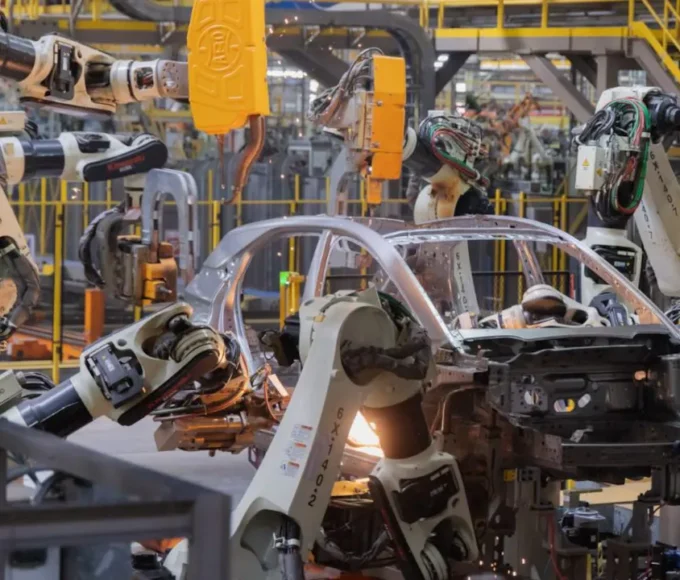
The Escorts Kubota project is linked to tractors and construction equipment, while Minda’s projects will manufacture automotive and electrical components, including ignition switch-cum-steering locks, mechatronic components, wiring harnesses and related connection systems.
That means demand could emerge for workers with skills in mechanical engineering, electrical systems, production operations, quality control, machine maintenance and industrial safety.
However, the opportunity is not limited to graduate engineers. Modern manufacturing facilities require technicians, machine operators, supervisors, quality inspectors, warehouse staff and other trained personnel.
This is why skill development has been included as one of the key themes of the investment meet. The programme includes discussions around technical training and collaboration between industry and educational institutions.
Semiconductors and digital infrastructure could create new career paths
The investment push is also looking beyond traditional factories.
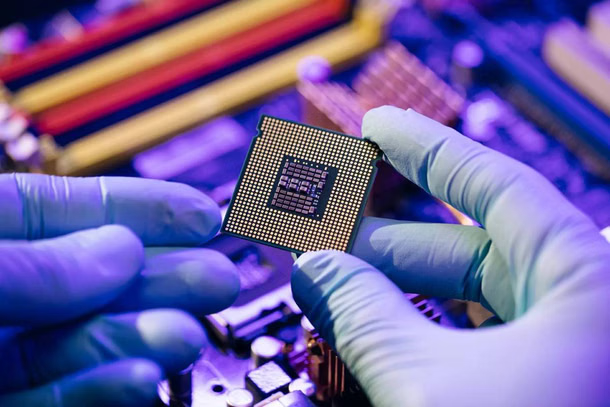
Japanese companies are being invited to explore opportunities in semiconductors, electronics, advanced materials, renewable energy, green hydrogen, Global Capability Centres and data centres.
These sectors can create a different kind of employment demand.
Semiconductor and electronics projects require specialised technical skills, while data centres need professionals working in networking, electrical systems, cooling infrastructure, cybersecurity and facility management. Global Capability Centres can create opportunities in technology, finance, analytics, research and other knowledge-based functions.
For young professionals in Uttar Pradesh, this could gradually broaden the state’s employment market beyond conventional manufacturing.
But these opportunities are likely to require stronger technical and professional skills. The state’s emphasis on industry-academia collaboration is therefore important if local graduates are expected to benefit from these investments.
Tier-2 cities could benefit beyond direct factory jobs
The UP-Japan investment programme is not restricted to Greater Noida and YEIDA.
Lucknow, Agra and Varanasi are also part of the programme, while tourism and civic infrastructure are being presented as potential areas for Japanese collaboration. Opportunities around the Buddhist Circuit, including Varanasi, Sarnath and Kushinagar, are also being discussed. Agra is expected to showcase tourism and smart civic infrastructure opportunities.
This could matter for Tier-2 cities because investment does not always translate into employment through a single large factory.
Tourism infrastructure can generate demand for hospitality, transport, construction, food services and local businesses. Industrial investment can create opportunities for suppliers and logistics operators outside the main industrial zone.
The long-term effect will depend on how well infrastructure, skills and local businesses connect with the incoming investment.
Why Japanese investment matters for Uttar Pradesh
Japan has a long-established presence in India’s manufacturing and infrastructure ecosystem. The current UP-Japan initiative is aimed at expanding that relationship within Uttar Pradesh.
The state government is positioning the programme as part of its broader industrial strategy and its goal of building a $1 trillion economy. More importantly, officials are trying to attract not only capital but also technology partnerships, joint projects and integration into global supply chains.
Technology transfer could be particularly important.
If local suppliers and workers gain exposure to Japanese manufacturing systems, quality-control practices and industrial technologies, the impact could extend beyond the companies making the initial investments.
That could strengthen the wider manufacturing ecosystem and help smaller Indian businesses meet higher standards required by large domestic and international manufacturers.
What the investment push means for job seekers
For job seekers, the most immediate lesson is that industrial growth can create different layers of employment.
Factory projects can generate direct jobs, while suppliers and service providers can create indirect employment. Training institutes, logistics companies and local businesses can also benefit when industrial activity expands.
The skill requirements are likely to vary significantly. Technical diplomas, engineering qualifications, manufacturing experience and specialised training could become useful for industrial roles. At the same time, non-technical positions will continue to be needed across administration, logistics, procurement, sales and support services.
The biggest opportunity for local youth will be matching education and training with the sectors being targeted by investors.
Investment announcements still need to translate into execution
The ₹3,191 crore project pipeline and projected 10,000-plus jobs are significant, but they should be viewed as proposed project outcomes rather than guaranteed employment today.
The next stage will be implementation.
Land development, construction, machinery installation, supply-chain creation and recruitment all take time. The proposed Japanese City is also a longer-term industrial development rather than an immediately operational employment centre.
For Uttar Pradesh, the real test will therefore be whether the current investment discussions lead to functioning projects, sustained production and local employment.
If implementation progresses as planned, the Japan partnership could strengthen manufacturing in the YEIDA region while creating new opportunities in technology, clean energy, logistics and services across the state.
Key Takeaways
- Uttar Pradesh is hosting more than 200 Japanese business leaders during the UP-Japan Investment Meet 2026.
- Escorts Kubota and Minda Corporation have proposed projects worth a combined ₹3,191 crore in YEIDA.
- The two projects are expected to create more than 10,000 employment opportunities.
- A proposed 500-acre Japanese City could expand the impact through suppliers, ancillary industries, technology transfer and skills development.
FAQs
What is the UP-Japan Investment Meet 2026?
The UP-Japan Investment Meet 2026 is a multi-day programme bringing Japanese companies, government representatives, Indian businesses and academic institutions together to explore investments, technology partnerships and joint projects in Uttar Pradesh.
How many jobs are expected from the current UP-Japan projects?
The proposed Escorts Kubota and Minda Corporation projects in YEIDA are expected to create more than 10,000 jobs combined, according to current project estimates.
What is the proposed Japanese City in Uttar Pradesh?
The Japanese City is a proposed 500-acre industrial cluster in the YEIDA region intended to accommodate Japanese companies, suppliers and ancillary industries while supporting supply-chain integration and employment generation.
Which sectors are being targeted for Japanese investment?
The investment discussions cover manufacturing, automotive components, semiconductors, renewable energy, green hydrogen, electric mobility, digital infrastructure, data centres, Global Capability Centres, tourism and skill development.








Leave a comment