

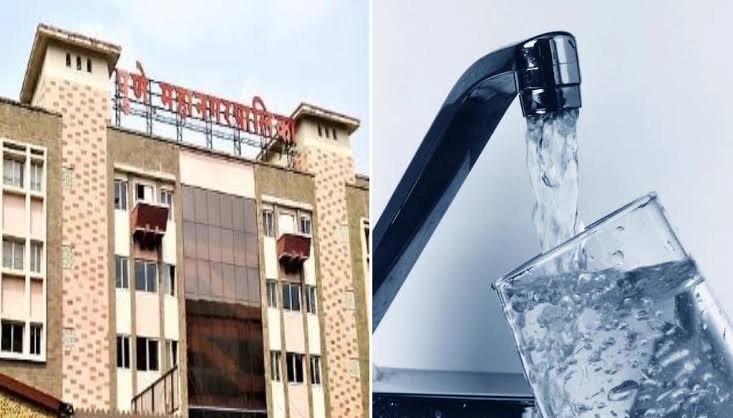
Pune Municipal Corporation has introduced stricter measures to prevent drinking water wastage, announcing penalties of up to Rs 10,000 for specific violations. The restrictions cover vehicle washing, swimming pools, private gardens and construction activities as the civic body attempts to manage the city’s available water supply.
PMC Tightens Water Conservation Rules Across Pune
The Pune Municipal Corporation (PMC) has announced stricter action against individuals, businesses and contractors found misusing drinking water. The decision comes amid concerns over water availability and the need to ensure that the city’s existing reserves last until the next monsoon.
According to reports published on October 30, 2026, the civic body will impose fines of up to Rs 10,000 for activities that violate its water conservation guidelines. The restrictions apply to several non-essential uses of municipal drinking water, including filling swimming pools, watering private gardens, operating vehicle washing centres during water cuts and using potable water for construction work.
PMC Standing Committee Chairman Shrinath Bhimale said the civic body would take punitive action against those who waste drinking water. The administration has also warned that repeated violations could lead to criminal proceedings.
Additional Municipal Commissioner Pavneet Kaur has issued an order directing concerned departments and ward offices to implement the restrictions. The move is intended to improve monitoring and prevent unnecessary consumption of drinking water across the city.
Why Pune Is Facing Stricter Water Restrictions
The decision comes at a time when Pune is reviewing its water consumption because of concerns about the availability of water in the dams supplying the city.
For the 2026-27 water year, the Pune Municipal Corporation had sought an allocation of 21 thousand million cubic feet (TMC). However, the irrigation department approved an allocation of 11.33 TMC, compared with 16 TMC supplied during the previous year.
This difference has increased pressure on the civic administration to manage available resources carefully.
The city has already introduced a 10% water supply cut every Thursday. The proposal to increase the reduction to 20% was put on hold by Mayor Manjusha Nagpure on October 28, pending further discussion at the canal committee meeting.
For now, the existing weekly reduction will continue. The latest restrictions are another step towards controlling consumption without immediately increasing the frequency of water cuts.
PMC wants to ensure that drinking water remains available for essential household requirements rather than being used for activities where alternative water sources can be utilised.
Rs 10,000 Fine for Vehicle Washing Centres During Water Cuts
Vehicle washing centres are among the businesses directly affected by the new restrictions.
According to the civic body’s guidelines, public and private vehicle washing centres must remain closed during periods of water cuts. Centres found operating in violation of the restrictions will face a penalty of Rs 10,000.
However, there is an exemption for centres that use water from their own borewells or wells. Such establishments will be permitted to operate on Sundays, Tuesdays and Thursdays.
This distinction is important because the restrictions are specifically aimed at conserving municipal drinking water.
Vehicle washing businesses that depend on the PMC supply will need to adjust their operations during the water-cut period. Establishments using permitted alternative sources will also need to ensure that they follow the specified operating days.
The restrictions are expected to affect businesses that rely heavily on regular water consumption, particularly those operating in residential and commercial areas.
Swimming Pools and Private Gardens Also Under Restrictions
The PMC has also prohibited the use of municipal drinking water for filling public and private swimming pools and maintaining private gardens.
These activities can consume considerable quantities of potable water, particularly when swimming pools require regular replenishment or gardens need frequent watering.
Under the announced rules, violations involving the use of drinking water for these purposes can attract a fine of Rs 10,000.
The decision reflects the civic body’s attempt to prioritise essential water requirements over activities that can use alternative sources.
Residents and property owners may need to reconsider their water consumption practices. Private gardens can use treated wastewater where suitable arrangements are available, while swimming pool operators must avoid using restricted municipal drinking water.
The restrictions also highlight the importance of distinguishing between drinking water and treated wastewater. Water that has undergone appropriate treatment can be reused for certain non-drinking purposes, reducing pressure on the city’s potable water supply.
Construction Sites Must Use Treated Wastewater
Construction activities are another major focus of the PMC’s water conservation drive.
The civic body has prohibited the use of municipal drinking water for building construction, road works and ready-mix concrete (RMC) projects.
Contractors will instead have to use treated wastewater from sewage treatment plants (STPs) or water sourced from borewells and wells.
Construction sites found violating the guidelines can face a fine of Rs 10,000. The PMC can also take action to stop the concerned construction work.
This measure is significant because construction activities often require large quantities of water for concrete preparation, curing, dust control and other operations.
Using potable water for these purposes can increase pressure on municipal supply systems, especially when households are already experiencing scheduled water reductions.
The requirement to use alternative sources is also connected to the wider objective of encouraging wastewater recycling in urban areas.
However, the use of treated wastewater must meet the technical requirements of the intended activity. Contractors and developers will need to ensure that alternative water sources are suitable for their construction requirements.
Other Penalties for Illegal Connections and Water Leakage
The PMC’s latest order also covers several other forms of water wastage beyond swimming pools, gardens and construction activities.
The civic body has specified different penalties depending on the nature of the violation.
An unauthorised water pipe connection will attract a fine of Rs 5,000. The PMC will also disconnect such connections immediately. Repeated violations involving illegal connections can lead to legal action.
Water storage tanks found overflowing will attract a fine of Rs 1,000. The measure is intended to prevent drinking water from being wasted because of unattended overhead tanks or faulty filling arrangements.
Tanker operators will also face action. A penalty of Rs 10,000 can be imposed if water leakage is found from a tanker during transportation.
The PMC has separately instructed officials to ensure that leaks in water supply channels are repaired promptly.
These provisions indicate that the conservation drive is not limited to household behaviour. Commercial establishments, contractors, tanker operators and property owners are also expected to follow the guidelines.
Housing Societies Asked to Restart Sewage Treatment Plants
Private housing societies will also have responsibilities under the new water conservation measures.
The PMC plans to issue notices to societies where sewage treatment plants are not functioning. These societies will be instructed to restart their non-operational STPs and use treated wastewater for activities such as gardening and toilet flushing.
Many larger residential complexes have sewage treatment facilities that process wastewater generated within their premises.
When these systems function properly, treated water can be reused for suitable non-drinking purposes instead of depending entirely on fresh municipal water.
The civic body will also encourage housing societies to install automatic float valves in overhead water tanks.
These valves help stop water flow when tanks reach their required capacity. Their installation can reduce overflow, prevent unnecessary wastage and help societies manage their daily consumption.
The initiative is particularly relevant for large residential complexes where water storage and distribution involve multiple buildings and overhead tanks.
How Will PMC Monitor Water Wastage?
The effectiveness of the new restrictions will depend on how consistently they are implemented across Pune.
Additional Municipal Commissioner Pavneet Kaur’s order assigns enforcement responsibilities to several civic departments, including the Water Supply Department, ward offices, parks department, construction development department, building design department and road department.
Each department has been instructed to appoint a nodal officer to monitor implementation.
These officers will be responsible for reviewing compliance and coordinating enforcement activities within their respective departments.
The departments must also submit action-taken reports to the Water Supply Department by the 15th of every month.
The order further states that disciplinary action can be taken against PMC officers and employees who fail to implement the instructions properly.
Standing Committee Chairman Shrinath Bhimale has also indicated a stricter approach towards repeat offenders. According to the announced enforcement policy, violations will attract punitive action, and a third violation after two rounds of penal action can lead to the registration of a case.
The coming weeks will show how effectively the civic administration can enforce these rules across residential, commercial and construction areas.
What Pune Residents Should Know About the New Water Rules
For ordinary residents, the restrictions mean paying closer attention to how municipal drinking water is used at home and in housing societies.
People should avoid allowing storage tanks to overflow, check plumbing connections regularly and report visible leakages to the relevant authorities.
Housing societies should ensure that their sewage treatment plants are operational and that treated wastewater is reused for appropriate non-drinking activities.
Vehicle washing businesses, swimming pool operators and construction contractors will need to review their water sources and operating practices to avoid penalties.
The broader issue is not limited to fines. Pune’s growing population, expanding construction activity and dependence on reservoir-based water supply make efficient water management an important civic responsibility.
Penalties can discourage unnecessary consumption, but long-term conservation will also require better infrastructure, wastewater recycling, regular maintenance and public participation.
As the city continues with its existing weekly water cut, the PMC’s latest order signals that it intends to take a stricter approach towards misuse of drinking water.
Key Takeaways
- PMC has announced penalties of up to Rs 10,000 for specified drinking water violations, including misuse for swimming pools, private gardens and construction activities.
- Vehicle washing centres must remain closed during water cuts unless they use permitted private borewell or well water on Sundays, Tuesdays and Thursdays.
- Unauthorised water connections attract a Rs 5,000 fine, overflowing tanks Rs 1,000 and leaking tankers Rs 10,000.
- Repeat violations can lead to legal action, while housing societies are being encouraged to restart STPs and reuse treated wastewater.
Frequently Asked Questions (FAQs)
1. Why is PMC imposing a Rs 10,000 fine for water wastage?
The Pune Municipal Corporation is introducing stricter penalties to conserve available drinking water and manage concerns about the city’s water reserves. The objective is to prevent potable water from being used for non-essential activities.
2. Which activities can attract a Rs 10,000 penalty in Pune?
Violations involving vehicle washing centres operating during water cuts, filling swimming pools, watering private gardens with municipal drinking water, using drinking water for construction and road works, and leaking water tankers can attract a Rs 10,000 penalty.
3. Can vehicle washing centres operate during Pune’s water cuts?
Centres using municipal drinking water must remain closed during the water-cut period. Those using their own borewell or well water are permitted to operate on Sundays, Tuesdays and Thursdays.
4. What happens if someone repeatedly violates PMC’s water conservation rules?
The PMC has announced punitive action for violations. After two rounds of penal action, a third violation can lead to the registration of a case. The civic body has also directed departments to monitor compliance and submit monthly action-taken reports.









Leave a comment