

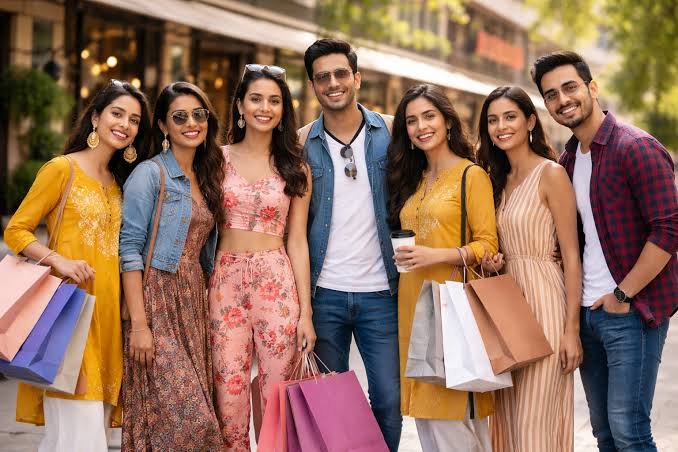
Affordable fashion is gaining attention among young Indian consumers as changing spending habits, social media influence and wider retail choices reshape shopping preferences. Gen Z and millennials are increasingly looking at price, quality, comfort and style before paying a premium for luxury brands.
India’s Affordable Fashion Market Is Changing
Affordable fashion in India is becoming an important part of the country’s changing retail landscape. Young consumers, particularly Gen Z and millennials, are increasingly exploring clothing options that combine contemporary designs with reasonable prices. While luxury and premium brands continue to attract buyers, a growing section of shoppers is paying closer attention to how much value they receive for their money.
This shift is connected to several factors, including rising living expenses, digital shopping platforms, changing employment patterns and greater access to fashion trends through social media. Consumers can now discover new styles online, compare prices across multiple retailers and purchase similar-looking products at different price points.
For many young Indians, fashion is no longer determined only by the reputation of a brand. The decision increasingly involves whether a product fits their budget, lifestyle and expectations of quality.
Why Gen Z and Millennials Are Becoming More Price-Conscious
Young consumers have access to more fashion choices than previous generations. However, greater access does not necessarily mean they are willing to spend more.
Gen Z consumers, who are entering the workforce, pursuing higher education or beginning independent financial lives, often have to balance fashion purchases with expenses such as education, transportation, rent, entertainment and savings.
Millennials face a different set of financial responsibilities. Housing costs, family expenses, professional commitments and long-term financial planning can influence how much they spend on clothing.
As a result, both groups may look for products that offer a reasonable combination of price, appearance and durability. A moderately priced pair of jeans, versatile footwear or everyday clothing may become a more practical purchase than an expensive designer alternative.
This does not mean young consumers have stopped purchasing premium products. Instead, many shoppers are becoming more selective about when a higher price is justified.
Value Fashion Is Expanding Beyond Metropolitan Cities
One of the biggest changes in India’s affordable fashion market is its growing presence in Tier-2 and Tier-3 cities. Fashion retail is no longer concentrated in metropolitan areas such as Mumbai, Delhi, Bengaluru and Hyderabad.
Cities including Nagpur, Indore, Jaipur, Lucknow, Surat, Bhopal and Coimbatore are becoming important markets for organised fashion retailers. Young consumers in these locations are increasingly exposed to national fashion trends through Instagram, YouTube, online marketplaces and retail stores.
According to a Wazir Advisors analysis reported by the Indian Textile Journal in March 2026, value retail recorded a 24% compound annual growth rate between FY2020 and FY2025. Its share of the organised apparel market increased from 18% to 29% during the same period.
The expansion of value retailers into smaller cities has helped bring branded clothing within reach of consumers who previously depended more heavily on local markets and independent shops.
For these shoppers, affordable fashion offers access to contemporary designs without requiring the spending levels associated with premium shopping destinations.
Social Media Is Influencing Affordable Fashion Choices
Social media has significantly changed how young Indians discover clothing styles. Platforms such as Instagram, Pinterest and YouTube allow users to explore outfits, styling combinations, seasonal collections and fashion recommendations without visiting physical stores.
Fashion influencers and content creators also play an important role in introducing affordable alternatives to expensive products. A creator demonstrating how to style a basic shirt in multiple ways can influence purchasing decisions among viewers looking for practical wardrobe options.
The growing popularity of outfit-of-the-day videos, budget shopping hauls, thrift shopping and styling challenges reflects this change.
Young shoppers can also compare products across different platforms before making a purchase. They may discover an outfit through an influencer, search for similar designs on an online marketplace and eventually purchase it from a nearby store.
According to Deloitte India’s January 2026 fashion report, approximately 40% of surveyed consumers had tried new fashion brands during the previous year. Trusted recommendations, social influence and accessible price points were among the factors encouraging brand experimentation.
This indicates that brand loyalty is not always permanent among younger shoppers. Consumers are willing to explore alternatives when they find a combination of attractive designs, reasonable prices and acceptable quality.
Online Shopping Makes Fashion More Accessible
E-commerce has made affordable fashion accessible to consumers across different income groups and geographical locations.
Platforms such as Myntra, Ajio, Amazon and Flipkart offer products across multiple price categories. Shoppers can compare clothing designs, check customer reviews, examine size options and look for discounts before purchasing.
This has reduced the dependence on physical shopping for fashion discovery. Consumers living in smaller cities can explore products from brands that may not have stores in their neighbourhoods.
However, online shopping also comes with challenges. Differences in product quality, inaccurate size information, misleading photographs and complicated return procedures can affect the shopping experience.
For this reason, price is not the only factor influencing online fashion purchases. Customer reviews, seller credibility, return policies and product descriptions also matter.
According to a January 2026 Euromonitor report, India’s apparel and footwear retail value sales grew by 8% in 2025. The report identified the increasing importance of e-commerce, direct-to-consumer brands and changing consumer preferences.
Physical stores, meanwhile, continue to play an important role because many customers prefer checking fabric quality, fitting and comfort before buying clothing.
Affordable Does Not Always Mean Low Quality
An important development in India’s fashion market is the changing definition of affordability.
Earlier, affordable clothing was often associated primarily with low prices. Today, many consumers expect reasonable quality, attractive designs, comfortable fabrics and durability even when purchasing products at lower price points.
This has encouraged retailers to develop collections that combine current fashion trends with accessible pricing.
Deloitte India’s 2026 fashion research highlights the growing interest in accessible premium products. Its findings suggest that consumers are increasingly looking beyond the lowest price and evaluating whether a product offers quality, functionality and a satisfactory shopping experience.
The report also identifies mid-premium apparel priced between ₹3,500 and ₹7,000 as a growing segment, with an estimated compound annual growth rate of approximately 25%.
This shows that affordable fashion and premiumisation are not necessarily opposing trends. Consumers may purchase everyday clothing at lower prices while spending more on selected products that offer better quality or longer-term value.
For example, a young professional might choose affordable everyday T-shirts but invest more in formal footwear, a winter jacket or a durable pair of jeans.
Such purchasing behaviour reflects a more selective approach to fashion spending.
How Indian Fashion Retailers Are Responding
Retailers are adjusting their strategies to reach consumers who want fashionable products without excessive spending.
Value-focused brands are expanding their store networks, introducing new collections and offering clothing across different price ranges. Established fashion retailers are also competing with emerging direct-to-consumer labels and online-first businesses.
According to CRISIL Ratings’ September 2026 analysis of 41 organised apparel retailers, value-fashion, fast-fashion and mid-premium segments, largely priced below ₹2,500, account for approximately two-thirds of sector revenue.
The analysis also indicates that the share of value fashion in organised retailers’ revenue increased from 39% to 46% over three financial years.
CRISIL expects organised apparel retailers to record revenue growth of approximately 12% to 13% in FY2026-27, with value fashion remaining an important growth driver.
For retailers, however, maintaining profitability remains a challenge. Lower prices, promotional offers, inventory expenses and competition can put pressure on operating margins.
Brands must therefore balance affordability with efficient supply chains, product quality and inventory management.
What Affordable Fashion Means for India’s Smaller Cities
The growth of affordable fashion has implications beyond the retail industry. It is also changing how consumers in smaller cities participate in India’s evolving fashion economy.
Young people in Tier-2 and Tier-3 locations increasingly follow national and international fashion trends. They may look for casual streetwear, comfortable office clothing, ethnic fusion outfits, sportswear and occasion-based fashion.
The availability of organised retail stores and online shopping platforms gives these consumers more choices than before.
This expansion can also create employment opportunities in retail operations, logistics, warehousing, merchandising, marketing and customer service.
Local businesses are facing a changing competitive environment as national brands and digital platforms enter markets that were traditionally served by independent retailers.
At the same time, regional fashion businesses have opportunities to compete through local designs, customer relationships, traditional clothing and a better understanding of regional preferences.
The future of affordable fashion in smaller cities will depend on how effectively retailers respond to local demand rather than simply replicating metropolitan shopping trends.
Will Young Consumers Continue Choosing Value Over Luxury?
Affordable fashion is likely to remain an important part of India’s retail market, but it does not mean luxury and premium brands will lose their appeal.
Young consumers often move between different spending categories depending on their income, lifestyle and purchasing priorities. They may prefer affordable clothing for everyday use while choosing premium brands for special occasions or products they consider long-term investments.
The growing interest in accessible premium fashion also suggests that consumers are becoming more selective rather than simply avoiding expensive products.
For retailers, understanding this difference will be important. Offering only low prices may not be enough to retain customers who increasingly expect quality, comfort, variety and reliable shopping experiences.
India’s fashion market is therefore moving towards a more diverse consumption pattern, where value, aspiration and personal style can coexist.
The larger opportunity lies in making fashionable clothing accessible to more consumers while maintaining reasonable quality and transparent pricing.
Key Takeaways
- Young Indian consumers are increasingly evaluating fashion purchases based on price, quality, comfort and personal style rather than brand reputation alone.
- Value retail’s share of India’s organised apparel market increased from 18% in FY2020 to 29% in FY2025, according to Wazir Advisors.
- Social media, e-commerce and fashion influencers are helping consumers discover affordable clothing and emerging brands.
- Tier-2 and Tier-3 cities are becoming important growth markets for organised fashion retailers.
Frequently Asked Questions (FAQs)
1. Why is affordable fashion becoming popular in India?
Affordable fashion is gaining popularity because consumers want access to contemporary clothing without spending excessively. Online shopping, social media trends, wider retail choices and changing spending priorities are contributing to this shift.
2. Why is Gen Z choosing affordable fashion over luxury brands?
Many Gen Z consumers prioritise value for money, personal style and flexibility. They may prefer experimenting with different outfits at accessible prices rather than spending heavily on brand names. However, premium fashion continues to attract young shoppers for selected purchases.
3. Which Indian cities are seeing growing demand for affordable fashion?
Apart from metropolitan markets, cities such as Nagpur, Indore, Jaipur, Lucknow, Surat, Bhopal and Coimbatore offer opportunities for value-fashion retailers as organised retail expands beyond major urban centres.
4. Is affordable fashion affecting premium clothing brands in India?
Affordable fashion is increasing competition across the apparel market, but premium brands continue to attract consumers seeking distinctive designs, better materials and brand experiences. Many shoppers purchase from both segments depending on their needs and budgets.









Leave a comment