

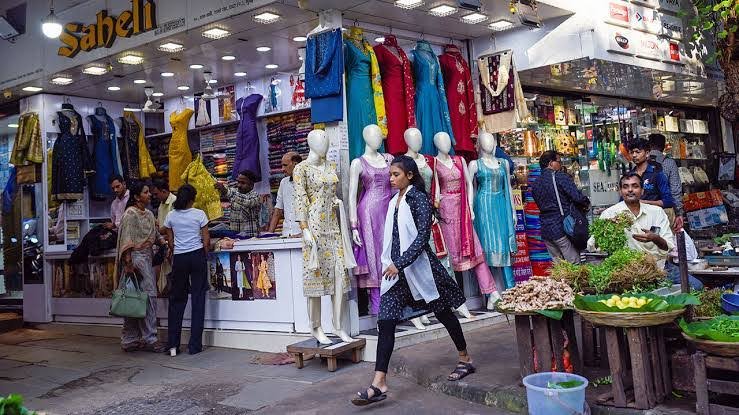
Affordable fashion in India is gaining attention as Gen Z and millennial consumers rethink how they spend on clothing. Instead of paying more for luxury labels, younger shoppers are exploring budget-friendly brands, online marketplaces and trend-led collections that offer style, comfort and quality at accessible prices.
Affordable Fashion in India Is Changing Shopping Habits
Fashion choices among young Indians are increasingly influenced by affordability, personal style and practical spending decisions. For many Gen Z consumers and millennials, wearing fashionable clothes does not necessarily mean purchasing expensive designer labels.
The growing availability of affordable clothing has made it easier to experiment with different styles without committing a large portion of monthly income to fashion. From oversized T-shirts and casual streetwear to ethnic wear, sneakers and everyday office clothing, consumers have more options across different price ranges.
This shift is also connected to changing financial priorities. Young professionals and college students often manage expenses such as education, rent, travel, entertainment and savings alongside personal shopping. Spending heavily on branded clothing may not always fit into their budgets.
As a result, affordable fashion is becoming an important part of everyday retail consumption. However, this does not mean young shoppers have stopped aspiring to premium brands. Instead, many are becoming more selective about when and where they spend more.
Why Gen Z and Millennials Prefer Affordable Clothing
One of the major reasons behind the growing interest in affordable fashion is the desire to balance appearance with financial independence.
Gen Z consumers have grown up with constant access to fashion inspiration through Instagram, YouTube, Pinterest and other digital platforms. They regularly encounter new clothing styles, celebrity outfits, influencer recommendations and seasonal trends.
However, following fashion trends does not always require buying expensive products. Budget-friendly retailers and online fashion platforms allow consumers to recreate popular looks at comparatively lower prices.
A January 2026 Deloitte India report on the country’s fashion market found that consumers are increasingly looking beyond price alone. They are considering quality, craftsmanship, uniqueness and overall shopping experience when evaluating fashion purchases.
The report also found that nearly 40% of surveyed consumers had tried new fashion brands during the previous year, with trusted recommendations and accessible prices influencing their decisions.
This suggests that younger shoppers are not simply looking for the cheapest available clothing. They want products that reflect their personality while offering reasonable value for money.
Social Media Is Influencing Affordable Fashion Trends
Social media has changed how young Indians discover and purchase clothing. Earlier, fashion trends were largely influenced by magazines, television celebrities, fashion shows and established brands.
Today, Instagram reels, YouTube videos, fashion hauls and creator recommendations play an important role in shaping everyday shopping decisions.
Fashion creators regularly share outfit combinations, budget shopping recommendations, styling tips and affordable alternatives to expensive products. These videos help viewers understand how similar looks can be created using clothing available at different price points.
For example, a college student interested in streetwear may discover oversized T-shirts, cargo trousers and sneakers through a creator’s styling video. Instead of purchasing an expensive branded outfit, the shopper can explore more affordable alternatives.
Social media also encourages experimentation. Consumers can discover regional clothing brands, independent designers and online sellers that may not have the same visibility as established fashion labels.
However, influencer recommendations do not always guarantee product quality. Shoppers still need to check fabric details, sizing, customer reviews and return policies before purchasing clothing online.
Online Shopping Platforms Are Expanding Budget Fashion Choices
E-commerce has made affordable fashion more accessible to consumers across different parts of India.
Online marketplaces provide access to clothing from established retailers, emerging brands and smaller sellers. Consumers can compare prices, browse collections and evaluate customer feedback without visiting multiple physical stores.
This convenience is particularly relevant for shoppers in Tier-2 and Tier-3 cities, where the availability of fashion brands and retail outlets may differ from that in metropolitan markets.
Platforms such as Myntra, Flipkart, Amazon and AJIO have expanded the range of fashion products available to online shoppers. Discount events, seasonal sales and promotional offers also influence purchasing decisions.
A November 2026 report by Fynd, covering more than 65 brands across eight online marketplaces during the September-October festive shopping period, found that 50.1% of online fashion orders were priced below Rs 1,000.
The report also found that Tier-2 cities increased their share of festive-season orders from 19% in 2025 to approximately 35% in 2026.
These figures indicate the growing importance of value-conscious shopping and consumers outside major metropolitan markets.
However, online discounts should not be the only factor influencing a purchase. Product descriptions, delivery charges, return conditions and customer feedback remain important considerations.
Tier-2 Cities Are Becoming Important Fashion Markets
Affordable fashion is not limited to shoppers in Delhi, Mumbai, Bengaluru or other major metropolitan cities. Smaller urban markets are also becoming important destinations for organised fashion retailers.
Consumers in cities such as Nagpur, Indore, Jaipur, Lucknow, Bhopal, Chandigarh and Nashik are increasingly exposed to national fashion trends through social media and digital shopping platforms.
Physical retail expansion is also contributing to this change. Affordable fashion stores are making trend-led clothing available to shoppers who previously had fewer organised retail options.
A May 2026 analysis by real estate consultancy JLL highlighted the growing presence of Gen Z-focused mass fashion brands in India’s retail market.
According to its research, the leasing area occupied by 19 Gen Z-focused fashion brands doubled from 0.50 million square feet in 2024 to 1.01 million square feet in 2025.
JLL also identified expansion across Tier-2 markets, including Indore, Jaipur and Chandigarh. Brands such as Zudio, OWND! and The Souled Store were highlighted as part of this changing retail landscape.
For smaller cities, this development means consumers can increasingly access contemporary fashion through physical stores as well as online platforms.
It also creates opportunities for retailers to understand regional preferences, local purchasing power and the clothing requirements of younger consumers.
Affordable Fashion Does Not Always Mean Low Quality
An important distinction in the affordable fashion market is the difference between low prices and good value.
A low-cost product may appear attractive initially, but poor stitching, uncomfortable fabric or limited durability can make it an expensive purchase over time.
Young consumers are increasingly exposed to product reviews, comparison videos and online discussions that help them evaluate clothing before buying.
Factors such as fabric quality, fitting, comfort, colour retention and durability can influence whether a product is worth its price.
For example, a well-made basic T-shirt that can be worn regularly may offer better value than a cheaper trend-based item that loses its shape after a few washes.
Deloitte’s 2026 fashion report also points towards a shift in consumer expectations, with shoppers placing importance on quality, craftsmanship and product experience alongside affordability.
This indicates that affordable fashion retailers face an important challenge. They must offer attractive prices without compromising too heavily on the quality and reliability expected by customers.
Is Luxury Fashion Losing Its Appeal Among Young Indians?
The growing popularity of affordable fashion does not necessarily indicate that luxury brands are losing their relevance.
Premium and luxury products continue to attract consumers who value brand identity, exclusivity, craftsmanship and distinctive designs.
However, purchasing expensive clothing is not always a regular spending priority for younger consumers.
Many shoppers follow a mixed approach. They may purchase affordable everyday clothing while spending more on selected products such as footwear, watches, bags or occasion wear.
Deloitte’s January 2026 research found that premium fashion purchases are often planned around discounts, festive periods and special occasions.
The report also highlighted the growth potential of India’s mid-premium apparel segment, generally priced between Rs 3,500 and Rs 7,000.
This suggests that the market is not simply moving from luxury towards cheaper products. Consumers are exploring different price categories and evaluating purchases according to their needs and budgets.
For fashion retailers, the challenge is to offer products that match these changing expectations rather than depending only on brand recognition.
The Challenges Behind the Growth of Fast and Affordable Fashion
Despite its popularity, affordable fashion also raises concerns about product durability, overconsumption and environmental impact.
The availability of inexpensive clothing and rapidly changing trends can encourage consumers to purchase more frequently than necessary.
Fast fashion models often depend on introducing new designs quickly and keeping prices competitive. While this provides consumers with more choices, it can also contribute to textile waste and pressure on manufacturing supply chains.
Consumers may also encounter misleading product photographs, inconsistent sizing and quality differences when purchasing from unfamiliar online sellers.
Making responsible fashion choices requires looking beyond the initial price tag.
Buying versatile clothing, checking fabric composition, choosing durable products and avoiding unnecessary purchases can help shoppers manage their budgets more effectively.
Retailers also have an opportunity to improve transparency around manufacturing, material quality and product longevity.
The long-term success of affordable fashion will depend not only on competitive pricing but also on whether brands can deliver reliable products and responsible business practices.
What the Future Holds for Affordable Fashion in India
India’s affordable fashion market is likely to remain an important part of the country’s retail landscape as digital shopping, organised retail and younger consumer participation continue to influence purchasing habits.
The expansion of fashion retailers into smaller cities could further increase access to trend-led clothing.
Online marketplaces and regional fashion brands may also benefit from consumers who want greater variety without spending excessively.
At the same time, the meaning of affordability is evolving. Consumers are increasingly comparing products based on quality, usability, comfort and price rather than choosing items simply because they are inexpensive.
For Gen Z and millennials, fashion is closely connected to identity and self-expression. They want clothing that reflects their preferences without creating unnecessary financial pressure.
This does not mean luxury fashion will disappear from their wardrobes. Instead, consumers are developing more flexible shopping habits, choosing affordable options for regular use and reserving larger purchases for products they consider worthwhile.
The changing market suggests that Indian fashion retailers will need to understand a consumer who wants style, quality and affordability together.
Key Takeaways
- Gen Z and millennials are increasingly exploring affordable fashion to balance personal style with everyday financial responsibilities.
- Social media, online marketplaces and budget-friendly retail stores are expanding access to fashion trends across India.
- Tier-2 cities are becoming important fashion markets, supported by the expansion of organised retailers and digital shopping.
- Affordable fashion does not mean choosing the cheapest product. Quality, comfort, durability and value for money remain important considerations.
Frequently Asked Questions (FAQs)
1. Why is affordable fashion becoming popular among young Indians?
Affordable fashion allows young consumers to follow changing trends, experiment with personal styles and manage their spending without depending entirely on expensive designer labels.
2. Which factors influence Gen Z fashion shopping in India?
Price, comfort, quality, social media trends, influencer recommendations, product reviews and personal style all influence Gen Z fashion purchasing decisions.
3. Are Tier-2 cities contributing to India’s affordable fashion market?
Yes. Research from JLL and Fynd highlights the growing importance of Tier-2 cities in fashion retail expansion and online shopping activity.
4. Does affordable fashion mean compromising on quality?
Not necessarily. Affordable clothing can offer good value when it provides suitable fabric quality, comfortable fitting, durability and reasonable pricing. Consumers should compare product details and reviews before purchasing.
(Internal Keywords: affordable fashion in India, Gen Z fashion trends, affordable clothing brands in India, budget fashion shopping, Indian fashion market 2026, millennials shopping habits, fast fashion in India, Tier-2 city fashion trends, online fashion shopping India, value-conscious consumers)







Leave a comment