

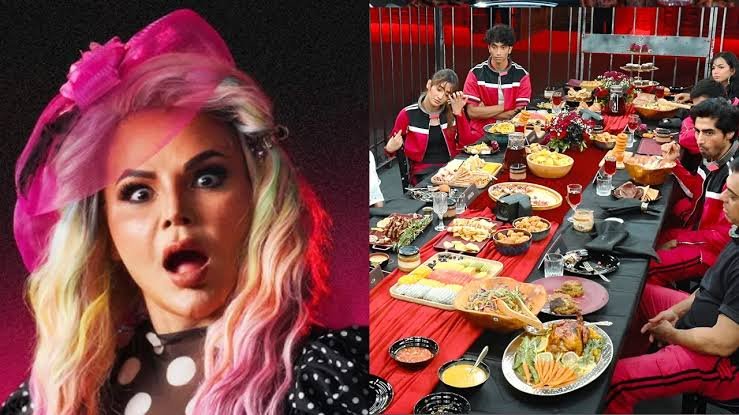
Indian reality shows are adapting to changing audience preferences in 2026 as viewers explore new formats across television and OTT platforms. From Bigg Boss and Shark Tank India to Lock Upp and digital creator-led competitions, reality entertainment is increasingly shaped by audience participation, social media influence and changing viewing habits.
Indian Reality Television Is Entering a New Phase
Reality television has remained an important part of Indian entertainment for decades. However, the way audiences consume these programmes is changing.
Earlier, viewers primarily followed reality shows through scheduled television broadcasts. Talent competitions, celebrity-based programmes, singing contests and family entertainment formats dominated the category.
In 2026, the landscape is more diverse. Streaming platforms are investing in unscripted entertainment, while established television franchises are expanding their digital presence.
Programmes such as Bigg Boss, Indian Idol, MasterChef India and Shark Tank India continue to attract different audience groups. At the same time, newer formats such as The Traitors, Alliance and Lock Upp are exploring competition, strategy and social dynamics.
A July 2026 report by The Week highlighted how reality television has adapted to a hybrid model combining traditional broadcasting, streaming and digital audience participation.
This development suggests that reality entertainment is no longer restricted to television screens. Viewers can follow episodes, watch additional clips, discuss contestants and participate in online conversations throughout a show’s run.
OTT Platforms Are Changing How Indians Watch Reality Shows
One of the biggest developments in Indian reality entertainment is the growing role of OTT platforms.
Streaming services have traditionally been associated with films, documentaries and scripted web series. However, reality programming is becoming an important part of their content strategies.
Amazon Prime Video, Netflix, JioHotstar and other platforms are exploring unscripted formats that encourage regular viewing rather than relying only on weekend binge-watching.
Shows such as The Traitors, Alliance and Lock Upp demonstrate how competition-based entertainment is adapting to digital audiences.
According to a September 2026 report by the Economic Times, India’s OTT audience reached an estimated 664.9 million in 2026, compared with 601.2 million in 2025, based on the Ormax OTT Audience Report.
The report also estimated that active paid OTT subscriptions reached 172.6 million.
A larger digital audience creates opportunities for reality programmes to reach viewers who may not regularly watch traditional television.
For younger audiences, streaming also offers greater flexibility. They can watch episodes on smartphones, connected televisions and other supported devices according to their schedules.
Audience Participation Is Becoming More Important
Modern reality shows increasingly encourage viewers to become active participants rather than passive spectators.
Voting, online polls, live chats, contestant discussions and social media interactions have become important elements of the viewing experience.
Bigg Boss provides a clear example of this approach.
According to JioStar’s November 6, 2026 announcement, Bigg Boss Hindi Season 20 crossed 100 crore watch-time hours on JioHotstar in under 60 days. The company also reported more than 350 crore votes during the season, representing a 71% increase compared with the previous season.
The figures were published by the platform’s parent company and reflect its reported performance metrics.
This level of participation demonstrates how reality entertainment can extend beyond watching episodes. Fans can support contestants, debate decisions, create memes and discuss developments with other viewers.
For broadcasters and streaming platforms, these interactions also help maintain audience interest between episodes.
However, participation numbers and watch-time figures should be understood as platform-reported measurements rather than independent proof of changing preferences across every Indian viewer.
Influencers and Digital Creators Are Changing Reality Show Casting
The rise of social media influencers has introduced a different kind of contestant to Indian reality television.
Earlier, reality show participants were frequently selected from established pools of television actors, singers, dancers and aspiring performers.
Today, digital creators, YouTubers and social media personalities are increasingly visible in competition-based entertainment.
Their existing online communities can bring additional attention to a programme. Viewers who already follow a creator may become interested in watching their performance, relationships and decisions inside a reality show.
This development is particularly relevant for younger audiences who regularly consume short-form videos and creator-led content.
A September 2026 analysis by Hindustan Times discussed how influencer participation is contributing to the popularity of newer reality formats, including Lock Upp and Alliance.
However, popularity on social media does not automatically translate into television or streaming success. Contestants still need to connect with viewers through their personalities, performances and behaviour during the programme.
For production companies, the challenge is to balance digital popularity with genuine entertainment value.
Competition-Based Reality Shows Are Attracting Attention
Indian reality television is also moving beyond conventional singing and dancing competitions.
Strategy-based shows, survival challenges, business competitions and social experiments are expanding the category.
The Traitors, for example, uses deception, alliances and psychological strategy as central elements of its competition format. Shark Tank India focuses on entrepreneurship, business proposals and investment discussions.
These formats appeal to different interests.
Some viewers enjoy watching contestants compete under pressure, while others are interested in business decisions, creative performances or strategic gameplay.
Entrepreneurship-based programmes also introduce audiences to discussions about funding, business models, product development and investment.
This variety allows reality television to reach viewers who may not be interested in conventional celebrity competitions.
It also gives streaming platforms opportunities to experiment with formats that combine entertainment with subjects such as business, personal skills and problem-solving.
Regional Content Is Expanding Reality Television’s Reach
India’s entertainment audience is linguistically and culturally diverse. As digital access expands, regional-language programming is becoming increasingly important.
Reality shows produced in Hindi, Tamil, Telugu, Malayalam, Kannada, Bengali and other languages can connect with audiences through familiar cultural references, local personalities and regional entertainment styles.
The expansion of streaming platforms has made it easier for viewers to discover programmes beyond their immediate language markets.
Regional adaptations of established formats can also introduce familiar competition concepts to new audiences while incorporating local preferences.
For viewers in Tier-2 and Tier-3 cities, this creates more opportunities to follow entertainment that reflects their language and cultural background.
The growth of India’s OTT audience across urban and rural markets further supports the importance of accessible digital entertainment.
According to the Ormax OTT Audience Report 2026, 44 Indian cities had OTT audiences of at least one million.
This indicates that digital entertainment consumption is not restricted to metropolitan markets. Reality show producers have an opportunity to reach viewers across a wider geographical area.
Social Media Is Extending Reality Shows Beyond Television
A reality show’s popularity is no longer measured only by its television broadcast or streaming episodes.
Short clips, contestant interviews, reaction videos, memes and fan discussions help keep programmes visible on social media.
Instagram, YouTube and other platforms allow viewers to follow developments without necessarily watching every episode.
For example, a contestant’s performance, argument or emotional moment can become a widely shared video. This may attract viewers who were previously unfamiliar with the programme.
Social media also allows audiences to express opinions about eliminations, judges, hosts and competition results.
This creates a continuous conversation around reality shows.
However, the same environment can also create challenges. Edited clips may remove important context, online arguments can become personal, and contestants may face criticism beyond the programme itself.
Producers and platforms therefore need to consider how online engagement affects participants and the wider viewing experience.
What Changing Audience Preferences Mean for the Future
The Indian reality television market is becoming more competitive as viewers gain access to an increasing number of entertainment options.
Traditional broadcasters must compete with streaming platforms, YouTube creators, short-form videos and other digital content.
A January 2026 report by Exchange4Media identified audience participation, advertising opportunities and the ability to create shared viewing experiences as important factors behind the renewed interest in reality programming.
The FICCI-EY Media and Entertainment Report 2026 also noted that television consumption patterns are being influenced by broadband expansion, connected devices and competition from digital video platforms.
For reality show producers, this means that familiar formats may need fresh presentation, stronger storytelling and more meaningful audience interaction.
The future may involve a combination of television broadcasts, digital extensions, regional adaptations and interactive features.
However, not every new format will automatically succeed. Content quality, contestant selection, production standards and audience trust will continue to influence a programme’s performance.
For viewers, the expanding range of reality entertainment means more choices across languages, genres and platforms.
Ultimately, Indian reality shows are changing because the entertainment habits of their audiences are changing too. The programmes that understand these preferences while offering engaging and credible content will have opportunities to build lasting viewer communities.
Key Takeaways
- Indian reality shows are expanding beyond traditional television through OTT platforms and digital-first formats.
- Audience voting, online discussions, memes and social media participation are becoming important parts of reality entertainment.
- Influencers and digital creators are bringing their existing communities into television and streaming competitions.
- Regional-language programming and new competition formats are creating opportunities to reach audiences beyond metropolitan cities.
Frequently Asked Questions (FAQs)
1. Why are Indian reality shows becoming popular on OTT platforms in 2026?
OTT platforms offer flexible viewing, digital participation and access to different reality formats. They also allow viewers to follow programmes through smartphones and connected televisions.
2. Which Indian reality shows are popular examples of changing entertainment formats?
Bigg Boss, Shark Tank India, Indian Idol, MasterChef India, The Traitors, Alliance and Lock Upp represent different categories of Indian reality entertainment.
3. How are social media influencers changing Indian reality shows?
Influencers bring existing digital audiences to reality programmes. Their participation can increase online discussions, audience engagement and social media visibility.
4. Are regional reality shows becoming more important in India?
Regional-language programming is an important part of India’s expanding entertainment market. It helps platforms reach audiences through familiar languages, cultural references and locally relevant formats.
(Internal Keywords: Indian reality shows 2026, Indian reality television trends, OTT reality shows India, Bigg Boss Season 20, reality shows on OTT platforms, Gen Z entertainment preferences, Indian influencer reality shows, regional reality shows India, changing television audience habits, Indian entertainment industry 2026)







Leave a comment