

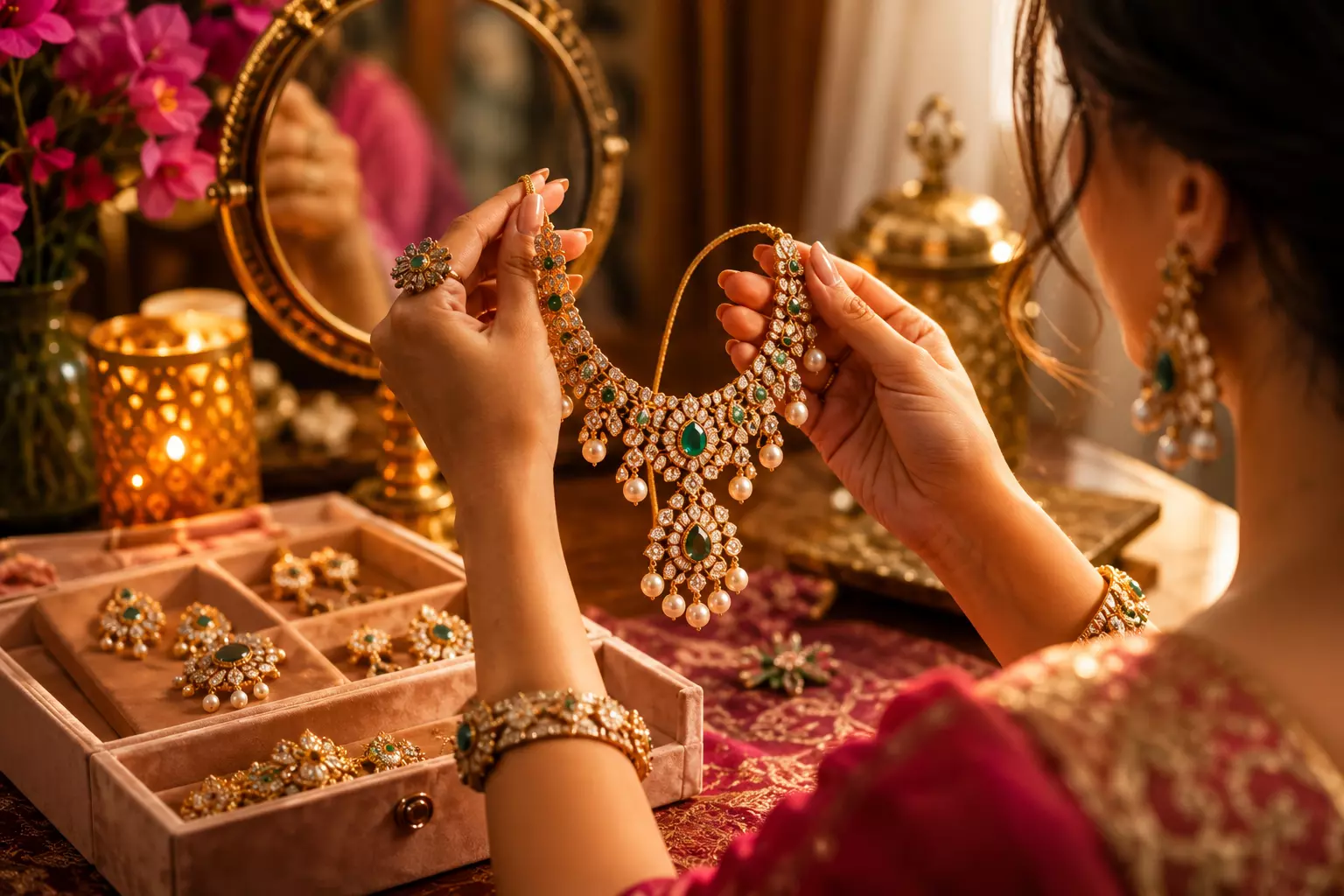
Affordable silver jewellery is gaining popularity among India’s younger consumers as rising gold prices reshape jewellery buying habits. From minimalist rings to everyday sterling silver accessories, Gen Z and millennials are exploring affordable designs, while brands such as Zavya attract investor attention.
Why Affordable Silver Jewellery Is Becoming Popular in India
Affordable silver jewellery is emerging as an important category in India’s changing fashion and jewellery market. Younger consumers are increasingly choosing lightweight silver rings, necklaces, bracelets and earrings instead of spending larger amounts on traditional gold ornaments.
The shift is partly connected to rising gold prices, which have made even smaller gold jewellery purchases expensive for first-time buyers. Silver offers another option for people who want precious-metal jewellery without committing to the higher cost of gold.
However, affordability is not the only reason behind the trend. Modern consumers are also looking for jewellery that matches their everyday clothing, personal style and changing fashion preferences.
Unlike traditional jewellery purchases that are often associated with weddings and family occasions, silver accessories are increasingly being purchased for office wear, casual outings, birthdays and personal gifting.
This change is creating opportunities for organised jewellery companies and digital-first brands targeting younger Indian customers.
Rising Gold Prices Are Changing Young Consumers’ Buying Decisions
Gold continues to hold cultural, financial and emotional importance in Indian households. It remains a preferred choice for weddings, festivals, family celebrations and long-term wealth preservation.
However, increasing gold prices have changed the purchasing capacity of many consumers, particularly younger buyers who may have limited budgets.
A person planning to spend ₹10,000 or ₹20,000 on jewellery may find that the amount offers limited choices in gold. The same budget can provide access to several silver jewellery pieces in different designs.
According to a Deloitte report cited by Financial Express in January 2026, around 45% of Gen Z and millennial consumers preferred investing in silver jewellery, compared with 26% among consumers aged 45 and above.
The findings indicate a generational difference in jewellery preferences. Younger buyers are showing greater interest in accessible precious metals that combine design, affordability and everyday usability.
Gold has not lost its importance. Instead, silver is developing a separate position in the jewellery market as a complementary category for regular purchases.
Gen Z Prefers Lightweight and Everyday Jewellery Designs
One of the biggest changes in the Indian jewellery market is the growing demand for lightweight designs.
Traditional heavy jewellery remains important for weddings and major celebrations. However, younger consumers increasingly want accessories that can be worn across multiple occasions.
Minimalist rings, delicate chains, small earrings, stackable bracelets and contemporary pendants are among the designs attracting attention.
These products offer flexibility because consumers can combine different pieces with western clothing, ethnic outfits and office wear.
A simple sterling silver necklace, for example, can be worn with a formal shirt during the day and a casual outfit in the evening. Similarly, small silver hoops and rings can become part of an everyday accessory collection.
The shift is also connected to changing lifestyles. Young professionals and college students often prefer accessories that are comfortable, easy to maintain and suitable for regular use.
For jewellery brands, this creates an opportunity to develop collections around everyday fashion instead of focusing exclusively on wedding and festive demand.
Why 925 Sterling Silver Is Attracting Young Buyers
The growing interest in silver jewellery has also increased awareness of sterling silver, particularly 925 silver.
Sterling silver contains 92.5% pure silver, with the remaining 7.5% generally consisting of other metals, commonly copper. The additional metal improves the strength and durability of the jewellery compared with fine silver, which is relatively soft.
This composition makes sterling silver suitable for products such as rings, bracelets, necklaces and earrings.
Consumers are also becoming more interested in understanding the material used in their jewellery purchases. Terms such as 925 silver, sterling silver and silver purity are increasingly relevant when comparing products.
However, buyers should not assume that every product advertised as silver jewellery has the same composition or quality.
Checking product descriptions, purity information, seller credentials and applicable hallmarking details is important before making a purchase.
Silver jewellery also requires maintenance. Exposure to moisture, chemicals, perfumes and certain environmental conditions can contribute to tarnishing. Proper storage and cleaning can help maintain its appearance.
Zavya Raises ₹22.6 Crore as Silver Jewellery Brands Attract Investors
The growing interest in affordable silver jewellery is also creating opportunities for Indian startups.
A recent example is Zavya, an Indian everyday silver jewellery brand founded by Poem Kabra and Ravi Malani.
On November 23, 2026, Zavya announced that it had raised ₹22.6 crore in a Pre-Series A funding round. The investment came from Daksham Growth Ventures and existing investor Orios Venture Partners.
According to The Economic Times, the funding valued the company at approximately ₹191.5 crore on a post-money basis.
Zavya focuses on contemporary 925 sterling silver jewellery and follows a digital-first business model. Its products are positioned around everyday use, accessible pricing and modern designs.
The company plans to use the investment to strengthen its distribution through direct-to-consumer platforms and quick-commerce channels, invest in brand building and begin expanding into physical retail.
The funding is noteworthy because it reflects investor interest in a jewellery segment that combines traditional precious-metal appeal with contemporary fashion consumption.
It also highlights how specialised jewellery brands are attempting to build businesses around changing purchasing habits rather than competing only with traditional gold retailers.
How Online Shopping Is Supporting Silver Jewellery Brands
E-commerce has played an important role in making silver jewellery accessible to younger consumers.
Earlier, jewellery purchases were strongly associated with physical stores, where customers could examine products and interact directly with sellers.
Online platforms have expanded the choices available to consumers. Buyers can now compare designs, prices, materials and product specifications without visiting multiple stores.
Social media has also become an important discovery channel. Instagram posts, short-form videos, creator collaborations and product demonstrations introduce consumers to new jewellery styles.
Digital-first brands can use these platforms to communicate directly with customers and understand which designs attract attention.
The growth of online jewellery retail is particularly relevant for consumers living in Tier-2 and Tier-3 cities. They can explore collections from brands that may not have physical stores in their neighbourhoods.
However, online jewellery shopping requires careful evaluation. Customers should check return policies, material descriptions, product reviews, seller information and delivery conditions before purchasing.
For silver jewellery brands, building trust is just as important as offering attractive designs.
Tier-2 and Tier-3 Cities Offer Opportunities for Silver Jewellery Businesses
India’s smaller cities represent an important opportunity for affordable jewellery companies.
Consumers in cities such as Nagpur, Indore, Bhopal, Jaipur, Lucknow, Nashik and Surat are increasingly exposed to fashion trends through social media, online shopping platforms and digital creators.
This creates demand for products that combine contemporary designs with manageable prices.
Silver jewellery can appeal to students, young professionals, first-time earners and consumers looking for affordable gifts.
For example, a young professional in Nagpur may prefer purchasing a sterling silver bracelet for regular office wear rather than spending a larger amount on a gold accessory.
Similarly, college students may choose silver earrings or rings because they can experiment with different styles without making a high-value purchase.
These examples represent potential consumer use cases rather than evidence of identical buying behaviour across all smaller cities.
For brands, the challenge is to provide reliable product quality, accessible pricing and efficient delivery while building customer trust beyond metropolitan markets.
Physical retail expansion, local partnerships and regional digital marketing could help companies reach these consumers more effectively.
Is Silver Jewellery an Investment or a Fashion Purchase?
One important distinction consumers should understand is the difference between buying silver jewellery and investing in silver as a commodity.
Silver has value as a precious metal and is traded in domestic and international markets. However, the retail price of a jewellery piece includes more than the value of the silver used in it.
Making charges, design costs, branding, taxes and retail margins contribute to the final purchase price.
As a result, the resale value of silver jewellery may be considerably different from its original buying price.
Consumers purchasing silver jewellery primarily for investment purposes should understand these costs before making a decision.
Jewellery with intricate designs or branded packaging may carry higher additional charges. These expenses are not necessarily recovered when the product is resold.
Silver jewellery is therefore better evaluated separately as a fashion purchase, a personal accessory or a gifting product. People seeking direct exposure to silver prices may need to compare other investment options and their associated risks.
The distinction is important because affordability and precious-metal content do not automatically make every jewellery purchase a profitable investment.
What the Silver Jewellery Trend Means for India’s Jewellery Industry
The growing popularity of silver jewellery is encouraging traditional retailers and emerging brands to reconsider their product strategies.
Several established companies have started expanding their silver collections to reach younger customers.
A March 2026 report by Mint highlighted Titan’s increased focus on studded silver jewellery as higher gold prices affected demand in some entry-level jewellery categories.
CaratLane’s Shaya brand and Mia by Tanishq have been expanding their silver offerings. Other players, including Gargi by PNGS, are also exploring the studded silver segment.
This indicates that silver is no longer being treated only as a traditional or seasonal jewellery category. Organised retailers are increasingly considering it as a separate business opportunity.
For India’s jewellery industry, the next stage of growth could depend on design innovation, product quality, customer experience and the ability to reach younger consumers.
At the same time, brands must manage changing metal prices, inventory costs and competition from imitation jewellery.
The opportunity is not simply to sell cheaper jewellery. It is to build products that offer customers a combination of quality, design and everyday usability.
Key Takeaways
- Rising gold prices and changing fashion preferences are encouraging young Indians to explore affordable silver jewellery.
- Deloitte-related findings reported by Financial Express indicate that 45% of Gen Z and millennial consumers prefer investing in silver jewellery.
- Zavya’s ₹22.6 crore Pre-Series A funding highlights investor interest in the everyday sterling silver jewellery segment.
- Online shopping, regional demand and lightweight designs are creating new opportunities for silver jewellery brands.
Frequently Asked Questions (FAQs)
1. Why is silver jewellery becoming popular among young Indians?
Silver jewellery is gaining popularity because it offers relatively affordable precious-metal accessories, contemporary designs and everyday usability. Rising gold prices are also encouraging younger buyers to explore alternative jewellery categories.
2. What is 925 sterling silver jewellery?
925 sterling silver contains 92.5% pure silver and 7.5% other metals, generally copper. This combination improves its strength and makes it suitable for everyday jewellery designs.
3. How much funding did Zavya raise in November 2026?
Zavya raised ₹22.6 crore in a Pre-Series A funding round announced on November 23, 2026. The investment came from Daksham Growth Ventures and existing investor Orios Venture Partners.
4. Is silver jewellery a good investment compared with gold?
Silver jewellery can have precious-metal value, but its resale price depends on silver purity, weight, market prices and deductions. Making charges and retail margins may not be recovered. Buyers should distinguish fashion purchases from investments in silver as a commodity.
(Internal keywords: affordable silver jewellery India, silver jewellery trends 2026, Gen Z jewellery preferences, millennials buying silver jewellery, 925 sterling silver jewellery, Zavya funding 2026, Zavya raises ₹22.6 crore, Indian silver jewellery brands, affordable jewellery market India, gold prices and silver demand, silver jewellery startups, Tier-2 city jewellery market)







Leave a comment