

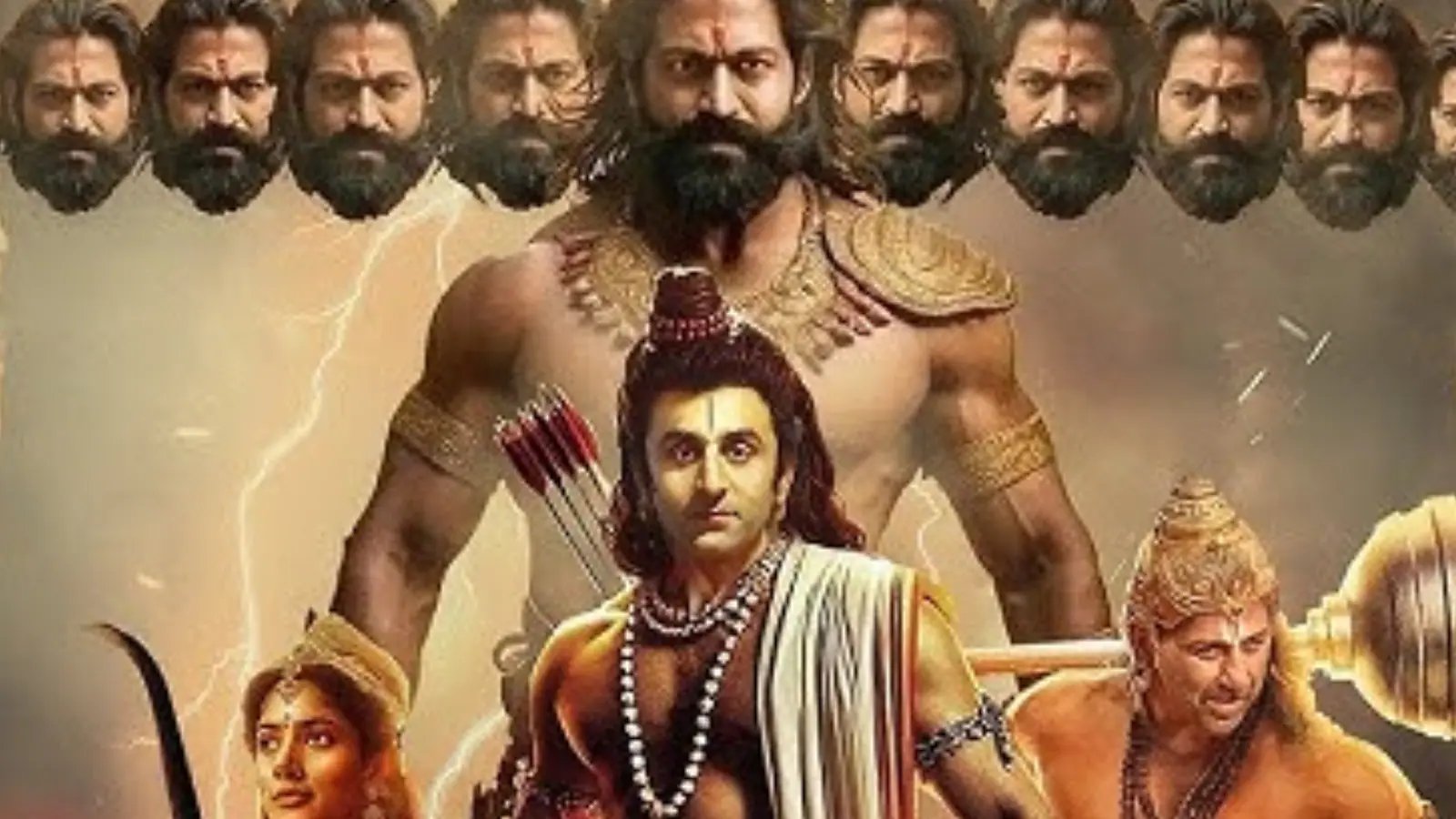
Big budget historical dramas are gradually returning to Indian cinema as filmmakers invest in large scale storytelling. The success of several historical epics and audience demand for visually grand films are encouraging producers to revisit the genre.
The return of big budget historical dramas in Indian cinema is becoming increasingly visible as filmmakers and production houses invest in large scale period storytelling. With improved visual effects technology and global streaming reach, historical narratives are once again attracting attention from producers, audiences and investors.
Why Historical Dramas Are Regaining Popularity
The renewed interest in historical dramas in Indian cinema reflects changing audience expectations and advances in filmmaking technology. Over the past decade, films set in historical or semi historical settings have achieved both critical recognition and strong box office performance.
Movies such as Baahubali, Padmaavat and Tanhaji demonstrated that audiences remain interested in grand narratives inspired by history. These films combined dramatic storytelling with large scale production design and visual effects, creating immersive cinematic experiences.
Historical films also provide filmmakers with an opportunity to explore themes of identity, culture and conflict. When executed well, such stories can appeal to both domestic and international audiences.
The global success of Indian historical films has encouraged producers to revisit the genre with renewed confidence.
Rising Production Budgets and Visual Scale
One defining feature of the current wave of historical dramas is the increase in production budgets. Period films require extensive resources to recreate historical environments accurately.
Costumes, architecture, battle sequences and visual effects all contribute to the overall production cost. Advances in digital technology have allowed filmmakers to combine real sets with computer generated imagery, making it possible to depict large historical landscapes and dramatic war sequences.
Studios are increasingly willing to invest in such projects because large scale films often generate significant theatrical revenue and long term streaming value.
Many production houses now view historical dramas as prestige projects that can strengthen their brand while attracting global attention.
Role of Pan Indian Cinema in Historical Storytelling
The rise of pan Indian cinema has also contributed to the return of historical dramas. Films released simultaneously in multiple languages can reach a much larger audience compared to traditional regional releases.
Historical stories often feature universal themes such as heroism, loyalty and sacrifice. These narratives translate well across linguistic and cultural boundaries.
Producers now design many historical films with nationwide distribution strategies in mind. Major releases are dubbed or simultaneously produced in languages such as Hindi, Tamil, Telugu and Kannada.
This wider reach increases the commercial potential of large scale productions.
The success of multi language releases has encouraged filmmakers to consider ambitious historical projects that appeal to viewers across the country.
Influence of Streaming Platforms and Global Audiences
Streaming platforms have significantly expanded the audience for Indian historical dramas. Films that perform well in theaters often reach global viewers through digital platforms shortly after their release.
International audiences have shown growing interest in culturally rich stories from India. Historical narratives provide insight into traditions, architecture, costumes and social structures from different eras.
OTT platforms also support historical storytelling through series formats that allow more detailed exploration of historical events and characters.
This ecosystem of theatrical releases followed by digital distribution has improved the financial viability of large scale historical productions.
For filmmakers, the combination of cinema and streaming revenue creates new opportunities to invest in ambitious projects.
Challenges of Making Historical Films
Despite their appeal, historical dramas remain among the most challenging films to produce. High production costs create financial risks, particularly if the film fails to attract audiences.
Historical accuracy is another critical factor. Filmmakers must balance creative storytelling with responsible representation of historical events and cultural heritage.
Controversies sometimes arise when audiences believe historical figures or events have been portrayed inaccurately. As a result, filmmakers often conduct extensive research and consult historians during production.
Another challenge is maintaining audience engagement over long running narratives. Historical films typically require strong character arcs and compelling emotional storytelling to sustain viewer interest.
Future of Historical Epics in Indian Cinema
Industry analysts believe historical dramas will continue to play an important role in Indian cinema. The success of recent epic films has demonstrated that audiences are willing to support visually ambitious storytelling.
Advances in filmmaking technology, including improved visual effects and digital production techniques, are making it easier to recreate historical worlds convincingly.
At the same time, younger filmmakers are experimenting with new approaches to historical narratives. Instead of focusing solely on royal dynasties and large battles, some projects explore lesser known stories and regional histories.
This diversity in storytelling may help the genre remain fresh and relevant for modern audiences.
If producers continue balancing strong storytelling with responsible historical representation, big budget historical dramas could remain a defining feature of Indian cinema in the coming years.
Takeaways
Big budget historical dramas are returning to Indian cinema due to audience demand and technological advances.
Large scale productions benefit from improved visual effects and multi language releases across India.
Streaming platforms have expanded the global audience for Indian historical storytelling.
Despite high production costs, historical films remain attractive for studios seeking prestige projects.
FAQs
Why are historical films becoming popular again in India?
Advances in visual effects, strong audience interest in epic storytelling and wider distribution through streaming platforms have revived the genre.
Are historical films expensive to produce?
Yes. These films often require large budgets for costumes, sets, visual effects and large scale battle scenes.
Do historical films perform well internationally?
Many Indian historical dramas have found global audiences through streaming platforms and international theatrical releases.
Will more historical films be made in the future?
Industry trends suggest that filmmakers will continue exploring historical stories, especially those that can appeal to pan Indian and global audiences.












Leave a comment