

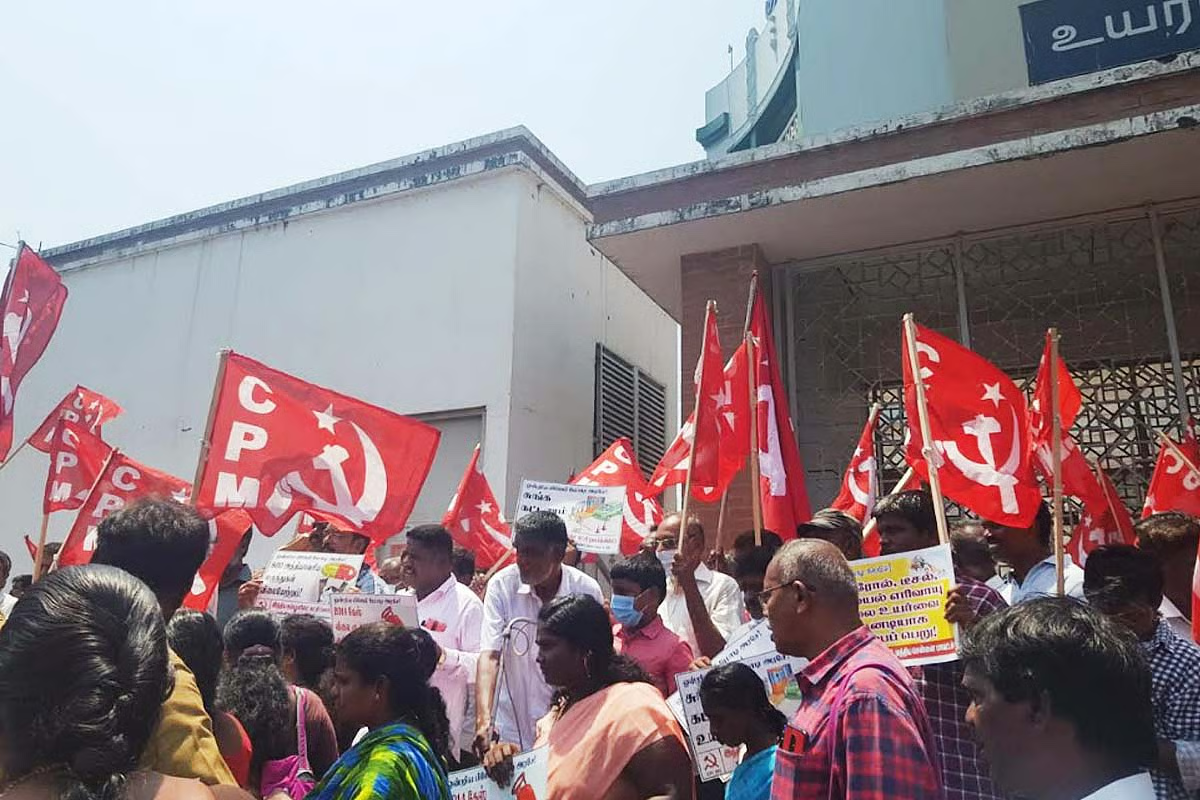
The CPI(M) nationwide protest against rising inflation has brought attention to the growing financial stress on middle-class households, especially in Tier-2 cities. Increasing costs of essentials, fuel, and services are tightening monthly budgets across non-metro India.
CPI(M) Announces Nationwide Protest Against Rising Inflation
The CPI(M) nationwide protest is a time-sensitive political development aimed at highlighting the impact of rising inflation on common citizens. The party has called for demonstrations across multiple states, focusing on price rise in essential commodities, fuel, and public services.
This protest reflects broader concerns shared by opposition parties and economic observers. Inflation has remained a persistent issue, affecting both urban and semi-urban populations. While metro cities often receive more policy attention, the burden is equally significant in Tier-2 and Tier-3 regions.
The protest also signals increasing political pressure on the government to address cost-of-living challenges ahead of upcoming economic cycles.
How Rising Inflation Is Affecting Middle-Class Households
Rising inflation in India has directly impacted middle-class households through higher expenses on daily essentials. Food prices, including vegetables, pulses, and cooking oil, have shown periodic spikes over recent months.
Fuel costs continue to influence transportation and logistics, which in turn raises the price of goods and services. In smaller cities, where incomes are relatively fixed, this creates a mismatch between earnings and expenses.
Households are increasingly reallocating budgets, cutting discretionary spending such as dining out, entertainment, and travel. Savings rates are also under pressure as more income is diverted toward basic needs.
Tier-2 Cities Facing Unique Cost-of-Living Challenges
Tier-2 cities like Nagpur, Lucknow, and Indore are experiencing a distinct impact of inflation. Unlike metro cities, salary growth in these regions tends to be slower, making it harder for households to absorb rising costs.
Housing expenses, while still lower than metros, are gradually increasing due to urban expansion. At the same time, utility bills, education costs, and healthcare expenses are rising steadily.
Local markets in smaller cities are also sensitive to supply chain disruptions. A slight increase in wholesale prices often leads to immediate retail price hikes, affecting consumers more directly.
Key Drivers Behind Current Inflation Trends in India
Several factors are contributing to the current inflation scenario. Global crude oil prices remain a major driver, influencing fuel costs and transportation expenses across the country.
Supply chain disruptions, both domestic and international, have also played a role. Weather-related issues, such as unseasonal rains or heatwaves, impact agricultural output and lead to price volatility in food items.
Additionally, increased demand in certain sectors has pushed up prices. As economic activity stabilizes post-pandemic, consumption patterns are shifting, creating pressure on supply systems.
These combined factors make inflation a complex issue that cannot be attributed to a single cause.
Economic and Social Impact on Daily Life
Inflation is not just an economic indicator but a daily reality for households. In Tier-2 cities, families are adjusting lifestyles to cope with rising costs. This includes reducing non-essential purchases and delaying major financial decisions.
Small businesses are also affected. Higher input costs reduce profit margins, forcing some businesses to increase prices or cut operational expenses. This can lead to reduced hiring or slower business growth.
Education and healthcare expenses are becoming significant concerns for middle-class families. Private school fees, medical consultations, and insurance premiums are all rising, adding to financial stress.
What Can Be Expected in the Coming Months
The CPI(M) protest highlights a growing demand for policy intervention. Measures such as price control mechanisms, subsidies, and tax adjustments are often discussed in response to inflation concerns.
However, inflation trends depend on multiple external and internal factors, including global markets and domestic production levels. Short-term relief may come from improved supply conditions or stabilization in fuel prices.
For households, financial planning and budgeting will remain essential. Monitoring expenses and prioritizing essential spending can help manage the impact in the near term.
Takeaways
- CPI(M) protest reflects rising concern over inflation across India
- Middle-class households in Tier-2 cities face higher financial pressure
- Food, fuel, and service costs are key drivers of rising expenses
- Inflation impacts daily life, savings, and local business growth
FAQs
Why is CPI(M) protesting against inflation?
The protest aims to highlight rising prices of essential goods and demand government action to reduce the financial burden on citizens.
Which groups are most affected by rising inflation?
Middle-class households, especially in Tier-2 and Tier-3 cities, are significantly impacted due to limited income growth.
What are the main causes of inflation in India right now?
Key factors include fuel prices, supply chain disruptions, and fluctuations in agricultural output.
Can inflation levels reduce soon?
It depends on global oil prices, domestic supply conditions, and policy measures taken by the government.









Leave a comment