

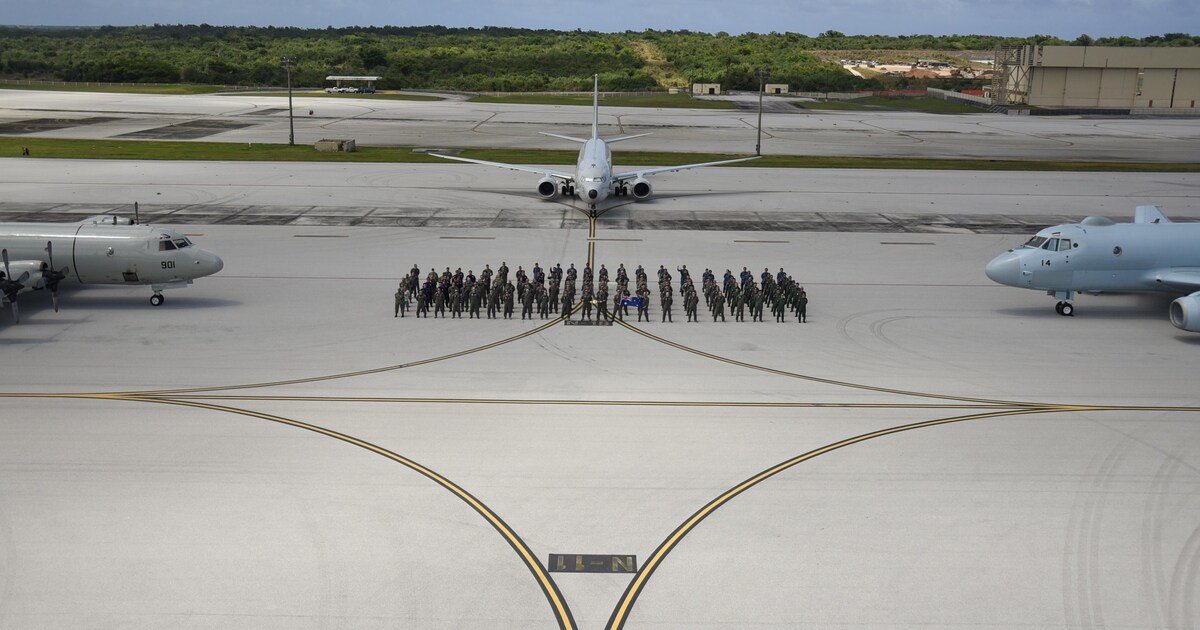
The Indian Navy Sea Dragon exercise participation marks a key strategic move in global maritime cooperation. While it appears defence-focused, its impact extends beyond metros, influencing coastal security, regional economies, and opportunities in smaller cities linked to defence ecosystems.
Indian Navy Participates in Sea Dragon Multinational Exercise
The Indian Navy Sea Dragon exercise is a time-sensitive defence development involving participation in a US-led multinational anti-submarine warfare drill held in Guam. The exercise includes naval forces from countries such as the United States, Japan, Australia, and South Korea.
Sea Dragon is designed to enhance coordination in tracking submarines and improving maritime surveillance capabilities. For India, participation reflects a growing role in Indo-Pacific security and strengthens operational ties with allied navies.
This development is part of India’s broader strategic push to secure sea routes and maintain stability in international waters, especially in regions critical for trade and energy movement.
What Sea Dragon Exercise Means for India’s Maritime Strategy
India’s involvement in Sea Dragon aligns with its long-term focus on strengthening naval capabilities in the Indo-Pacific region. Anti-submarine warfare has become increasingly important due to rising underwater activity by global powers.
By participating in such exercises, the Indian Navy gains access to advanced training techniques, shared intelligence frameworks, and exposure to real-time operational scenarios. This improves readiness and response capabilities in case of maritime threats.
The exercise also supports India’s strategic partnerships under frameworks like the Quad, reinforcing collaboration with key allies in maintaining a free and open Indo-Pacific.
Why This Matters Beyond Metro Cities
While defence developments are often seen as distant from daily life, their impact extends to smaller cities in multiple ways. Tier-2 and Tier-3 cities are increasingly becoming hubs for defence manufacturing, training, and logistics.
Government initiatives such as Make in India and defence corridors in states like Uttar Pradesh and Tamil Nadu are creating opportunities for local industries. Participation in global exercises increases demand for indigenous equipment, technology, and skilled manpower.
Cities near naval bases or defence establishments benefit from infrastructure development, employment generation, and improved connectivity. This creates a ripple effect on local economies.
Boost to Defence Jobs and Skill Development
India’s growing involvement in international defence collaborations is opening new career pathways. Technical roles in shipbuilding, electronics, and surveillance systems are expanding beyond traditional metro-based industries.
Institutions in smaller cities are also aligning with defence requirements by offering specialized courses in engineering, cybersecurity, and maritime studies. This helps build a talent pipeline that supports national defence goals.
For young professionals in Tier-2 cities, this shift creates access to high-value job opportunities without the need to relocate to major urban centers.
Impact on Trade Security and Everyday Economy
A strong naval presence directly supports India’s trade security. A significant portion of India’s imports and exports moves through sea routes, including essential commodities like crude oil and industrial goods.
By participating in exercises like Sea Dragon, India enhances its ability to protect these routes from disruptions. This has a direct impact on fuel prices, supply chains, and availability of goods across the country.
Even consumers in smaller cities benefit from stable trade flows, as disruptions in maritime routes can lead to price volatility and shortages in local markets.
Strategic Significance in the Indo-Pacific Region
The Indo-Pacific region has become a focal point for global strategic competition. Increased naval cooperation among countries reflects a shared interest in maintaining balance and security in these waters.
India’s participation signals its commitment to playing a proactive role in regional stability. It also strengthens deterrence against potential threats by showcasing coordinated defence capabilities.
This strategic positioning enhances India’s global standing and ensures that it remains a key player in shaping maritime policies and security frameworks.
Takeaways
- Indian Navy’s Sea Dragon participation strengthens global defence cooperation
- Smaller cities benefit through defence manufacturing and job opportunities
- Improved maritime security supports stable trade and local economies
- Strategic presence in Indo-Pacific boosts India’s global influence
FAQs
What is the Sea Dragon exercise?
It is a multinational anti-submarine warfare drill led by the United States, involving several Indo-Pacific naval forces.
Why is India participating in this exercise?
To enhance naval capabilities, improve coordination with allies, and strengthen maritime security in key regions.
How does this affect people in smaller cities?
It creates opportunities in defence manufacturing, jobs, and infrastructure development linked to defence projects.
Does this impact India’s economy?
Yes, stronger maritime security ensures stable trade routes, which supports economic stability and supply chains.










Leave a comment