

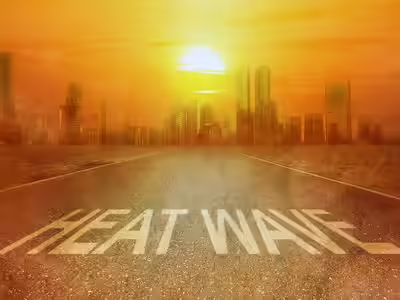
An early heatwave in India has pushed temperatures close to 40°C in March, affecting cities like Nagpur, Indore, and Lucknow. This unusual spike is raising concerns about climate patterns, public health risks, and daily life disruptions in non-metro regions.
Early Heatwave in India Signals Unusual Seasonal Shift
The early heatwave in India this year has arrived weeks ahead of the typical summer peak, with several central and northern cities recording temperatures near or above 40°C in mid-March. Cities like Nagpur and Indore, which usually experience such heat in April or May, are already facing extreme daytime conditions.
This is a time-sensitive weather development confirmed by recent meteorological observations. The India Meteorological Department has indicated that dry winds, clear skies, and rising solar radiation are accelerating temperature rise across inland regions.
For Tier-2 cities, the impact is more immediate because infrastructure and urban planning often lag behind larger metros in handling extreme weather conditions.
Why Cities Like Nagpur, Indore, and Lucknow Are Heating Faster
Central Indian cities such as Nagpur are geographically prone to heat buildup due to their inland location. Unlike coastal regions, there is no moderating effect from large water bodies, which leads to sharper temperature spikes.
Urban expansion has further intensified the problem. Concrete surfaces absorb and retain heat, creating urban heat islands. In cities like Indore and Lucknow, rapid development without sufficient green cover has contributed to rising surface temperatures.
Another factor is changing climate patterns. Experts have observed that seasonal transitions are becoming shorter, with spring conditions shrinking and summer arriving earlier. This shift is not isolated and has been recorded in multiple parts of India over recent years.
Public Health Risks During March Heatwave Conditions
An early heatwave increases health risks because people are not yet acclimatized to extreme temperatures. Heat exhaustion, dehydration, and heatstroke become more likely, especially among outdoor workers, elderly populations, and children.
Hospitals in several regions typically see a rise in heat-related cases once temperatures cross 38°C. Early exposure extends the duration of risk, putting additional pressure on healthcare systems.
Hydration becomes critical during such periods. Lack of awareness in smaller cities can worsen outcomes, as preventive measures are often not taken seriously until peak summer.
Air quality can also deteriorate due to dry conditions and dust, further affecting respiratory health in urban and semi-urban areas.
Impact on Daily Life and Local Economy
The early arrival of extreme heat disrupts daily routines. Schools may adjust timings, and outdoor activities reduce significantly during peak afternoon hours.
In cities like Lucknow and Nagpur, small businesses and street vendors are directly affected. Reduced footfall during hot afternoons leads to income loss. Transport systems, especially those without air conditioning, become less comfortable, affecting commuters.
Electricity demand rises sharply as households and businesses increase usage of fans, coolers, and air conditioners. This can strain local power infrastructure, leading to outages in some areas.
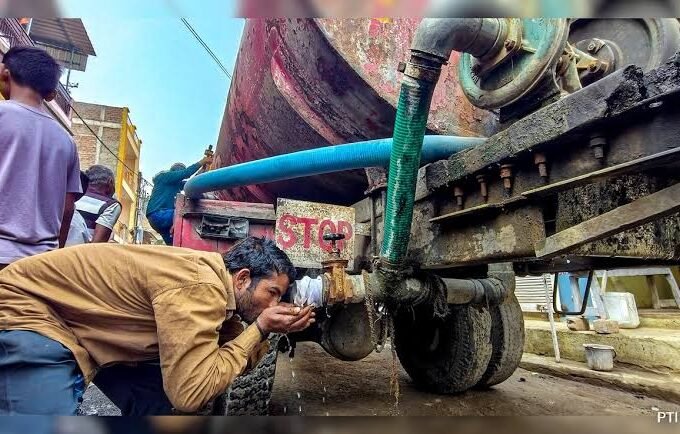
Water demand also increases. In cities already facing supply challenges, early heatwaves can accelerate water scarcity issues before peak summer even begins.
Agriculture and Rural Impact in Surrounding Areas
The effect of an early heatwave extends beyond urban areas into surrounding rural regions. Crops that are in sensitive growth stages can suffer damage due to excessive heat and lack of moisture.
Farmers in central and northern India often rely on predictable seasonal patterns. When temperatures rise earlier than expected, it disrupts irrigation cycles and crop planning.
Livestock is also affected, as prolonged exposure to high temperatures reduces productivity and increases water requirements. This adds to the economic stress in semi-urban and rural communities connected to these cities.
How Residents Can Adapt to Sudden Temperature Rise
Adapting to early heatwave conditions requires immediate behavioral changes. Avoiding outdoor activities during peak hours between 12 pm and 4 pm is one of the simplest yet most effective steps.
Wearing light, breathable clothing and increasing fluid intake helps regulate body temperature. Traditional cooling methods such as consuming buttermilk and seasonal fruits can also support hydration.
Homes should be ventilated properly, and use of curtains or shades can reduce indoor heat. In areas with frequent power cuts, having backup solutions like inverters becomes important.
Local authorities also play a role by issuing advisories, setting up water stations, and ensuring healthcare readiness during extended heat periods.
Takeaways
- Early heatwave in March indicates shifting climate patterns across India
- Tier-2 cities face higher exposure due to infrastructure and urban heat effects
- Health risks increase as people are not yet adapted to extreme heat
- Water, electricity, and local economy face immediate pressure during heat spikes
FAQs
Why is the heatwave arriving early this year?
Rising temperatures, dry winds, and changing climate patterns have led to faster seasonal transition from winter to summer.
Which cities are most affected right now?
Central and northern cities like Nagpur, Indore, and Lucknow are among the most impacted with temperatures nearing 40°C.
How can people stay safe during early heatwaves?
Staying hydrated, avoiding peak sun hours, and following local weather advisories are key preventive steps.
Does early heatwave affect water supply?
Yes, increased demand combined with existing supply challenges can lead to shortages in several cities.







Leave a comment