

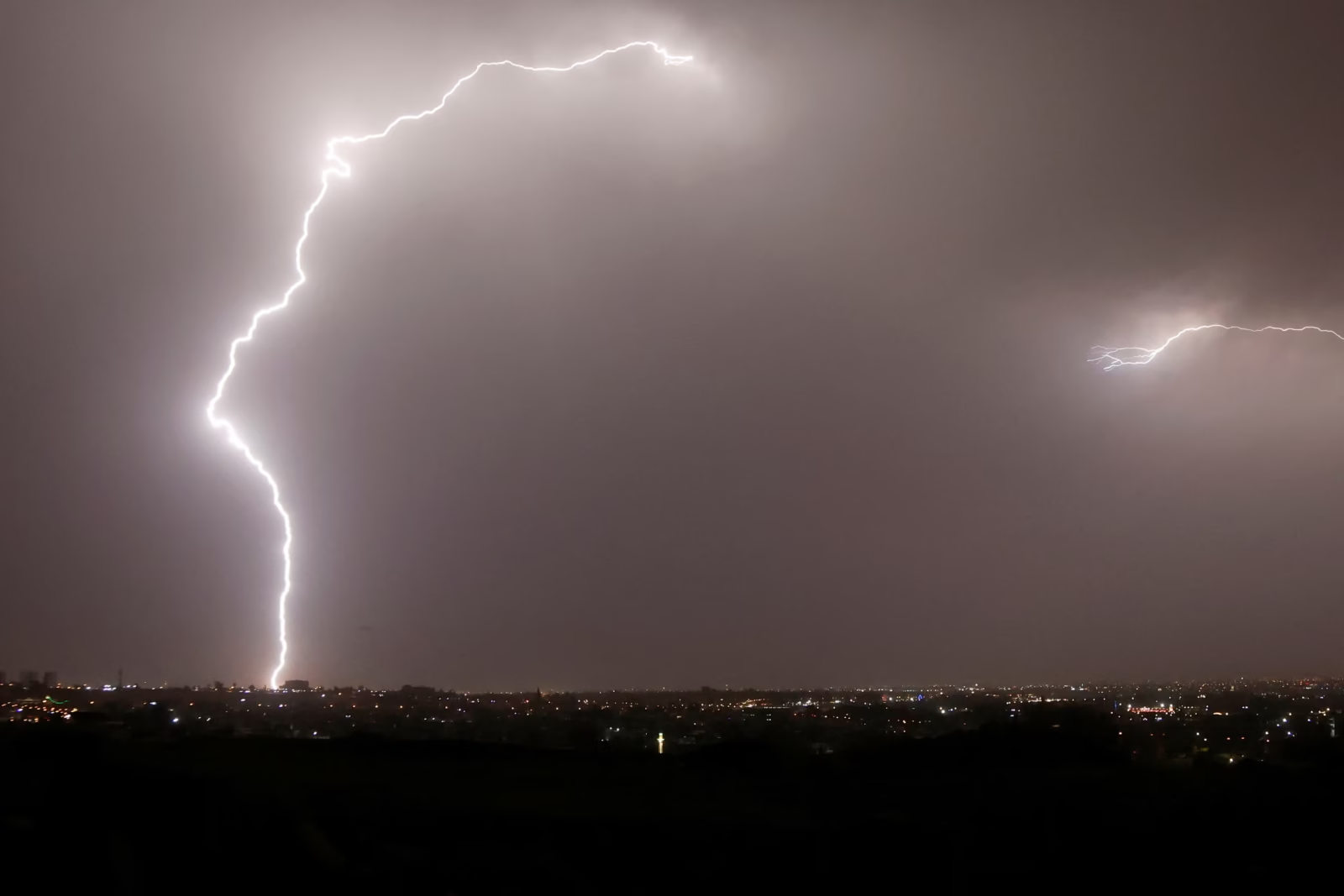
The IMD thunderstorm alert in Eastern India has raised concerns across several states as sudden weather changes are expected in the coming days. Smaller cities and semi-urban regions may face stronger impact due to limited infrastructure and preparedness.
IMD Issues Thunderstorm Alert Across Eastern India
The India Meteorological Department has issued a yellow warning for parts of Eastern India, including West Bengal, Odisha, Jharkhand, and nearby regions. The alert indicates the likelihood of thunderstorms, lightning, and gusty winds over the next few days.
This is a time-sensitive weather development. The alert is based on atmospheric instability caused by rising temperatures and moisture inflow from the Bay of Bengal. Such conditions often lead to short but intense weather events, especially during seasonal transitions.
For smaller cities, the impact tends to be more visible due to local infrastructure gaps. Power outages, waterlogging, and transport disruptions are common during sudden thunderstorms.
Why Sudden Weather Swings Are Increasing
Eastern India is currently experiencing a mix of pre-summer heat and moisture buildup. This combination creates ideal conditions for convective activity, which leads to thunderstorms.
Climate experts have also pointed out a broader trend. Seasonal transitions are becoming less stable, with sudden spikes in temperature followed by abrupt rainfall or storms. This pattern has been observed across multiple regions in India over the past few years.
For residents in Tier-2 and Tier-3 cities, this means less predictability. A clear afternoon can quickly turn into a stormy evening, leaving little time for preparation.
Key Risks for Smaller Cities During Thunderstorms
Thunderstorms may appear short-lived, but they bring multiple risks that directly affect daily life.
Power disruptions are one of the most common issues. Many smaller cities rely on overhead power lines, which are vulnerable to strong winds and lightning strikes.
Waterlogging is another concern. Drainage systems in semi-urban areas are often not designed for sudden heavy rainfall, leading to temporary flooding of roads and residential areas.
There is also a safety risk from falling trees, weak structures, and open construction sites. Lightning strikes remain a serious hazard, particularly in open fields and rural surroundings.
Practical Steps to Stay Prepared
Preparation at the household and community level can significantly reduce the impact of sudden weather events.
Residents should keep track of local weather updates, especially alerts issued by IMD. Mobile weather apps and local news sources provide real-time updates that can help in planning daily activities.
It is advisable to secure loose objects such as outdoor furniture, tin sheets, or construction materials. These can become dangerous projectiles during strong winds.
Keeping emergency essentials ready is critical. This includes flashlights, power banks, basic medicines, and a backup of drinking water.
People should avoid open areas during thunderstorms. Staying indoors, away from windows and electrical appliances, reduces the risk of lightning-related incidents.
Impact on Daily Life and Local Economy
Sudden thunderstorms can disrupt more than just routine activities. In smaller cities, local businesses often operate with limited buffers. A few hours of disruption can impact daily earnings for vendors, transport operators, and small retailers.
Agriculture is also affected. Unseasonal storms can damage crops, especially during sensitive growth stages. Farmers in Eastern India frequently face losses due to unpredictable weather patterns.
Schools and local transport systems may experience temporary shutdowns. This affects students and working professionals who rely on consistent schedules.
What Local Authorities Need to Focus On
While individual preparedness is important, local administration plays a key role in reducing damage.
Timely communication is crucial. Alerts must reach people quickly through multiple channels, including SMS, local announcements, and social media.
Urban planning improvements are needed, particularly in drainage systems and power infrastructure. Even small upgrades can reduce the severity of disruptions.
Emergency response teams should be on standby during alert periods. Quick action can prevent minor issues from turning into larger problems.
Takeaways
- Thunderstorm alerts indicate short-term but high-impact weather risks
- Smaller cities face greater challenges due to infrastructure gaps
- Preparation at household level can reduce safety risks significantly
- Real-time weather tracking is essential during seasonal transitions
FAQs
What does a yellow alert from IMD mean?
It indicates moderate risk weather conditions. People should stay updated and be prepared for possible disruptions.
Which areas are most affected by this alert?
Eastern states like West Bengal, Odisha, and Jharkhand are currently under focus, with nearby regions also likely to see impact.
How long do these thunderstorms usually last?
They are typically short, lasting a few hours, but can cause significant disruption during that time.
What is the safest place during a thunderstorm?
Indoors, away from windows and electrical appliances, is the safest option. Avoid open fields and tall isolated structures.











Leave a comment