

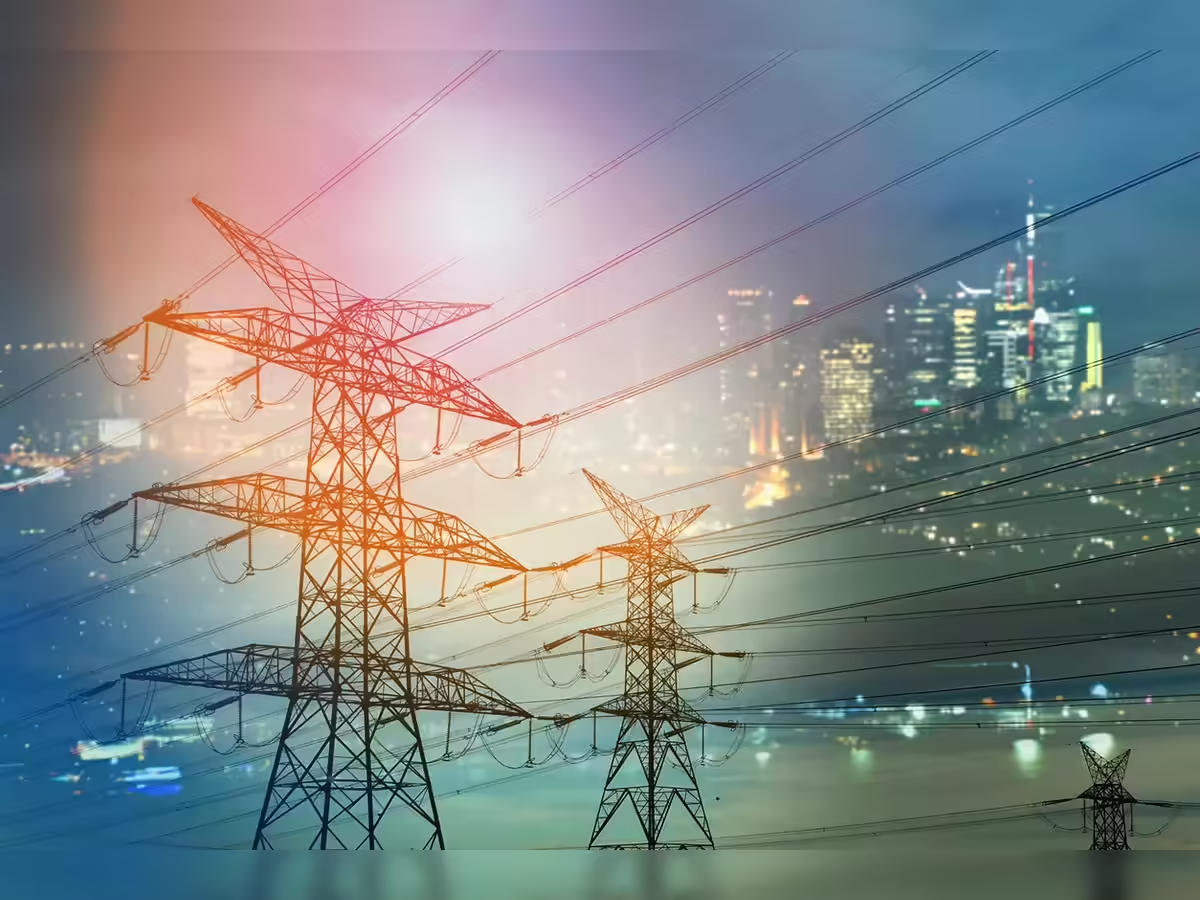
India’s growing heatwave conditions are expected to push electricity demand to new highs, especially in Tier-2 cities where infrastructure gaps still exist. As temperatures rise across states, concerns around power shortages, outages, and grid stress are becoming more visible.
Rising Heatwave Trends Driving Power Consumption
The ongoing heatwave and power demand surge is closely linked to India’s changing climate patterns. Over the past few summers, temperatures have consistently crossed seasonal averages in several regions including central and northern India. Cities like Nagpur, Indore, Kanpur, and Raipur are witnessing longer and more intense heat spells.
As temperatures climb above 40 degrees Celsius, households and businesses increase their dependence on air conditioners, coolers, and refrigeration systems. This leads to sharp spikes in electricity consumption during peak afternoon and evening hours. Unlike metro cities, many Tier-2 regions do not yet have the same level of grid flexibility or backup systems to handle sudden surges.
The India Meteorological Department has already indicated that the summer of 2026 could see above-normal temperatures in several zones, which further increases the likelihood of record electricity demand.
Infrastructure Gaps in Tier-2 Cities
One of the key reasons Tier-2 cities may face energy stress is infrastructure limitations. While urban centers like Mumbai and Delhi have invested heavily in grid modernization, smaller cities are still catching up.
Power distribution networks in Tier-2 regions often struggle with outdated transformers, limited substation capacity, and higher transmission losses. When demand peaks suddenly, these systems face overload risks, leading to voltage fluctuations or localized outages.
Another challenge is the uneven adoption of smart grid technologies. Many Tier-2 cities still rely on conventional systems that lack real-time monitoring and load balancing capabilities. This makes it harder for utilities to predict and manage demand spikes efficiently.
Additionally, rapid urban expansion in smaller cities has increased electricity demand faster than infrastructure upgrades, widening the supply-demand gap.
Coal Dependency and Supply Pressures
India continues to rely heavily on coal for power generation, and this becomes a critical factor during peak summer demand. When electricity consumption rises sharply, coal-fired plants are required to operate at higher capacity.
However, coal supply chains often face logistical challenges, including transportation delays and stock shortages at power plants. During previous summers, several states reported low coal reserves, forcing power plants to operate under stress.
In Tier-2 regions, where alternative energy sources are less developed, this dependency becomes even more significant. Renewable energy integration, such as solar and wind, is growing but still not sufficient to offset peak demand during extreme heat conditions.
The combination of high demand and supply-side constraints creates a situation where even short disruptions can impact power availability.
Impact on Daily Life and Local Economies
Energy stress in Tier-2 cities does not just mean inconvenience. It has direct consequences for daily life and local economies. Frequent power cuts affect small businesses, retail shops, and service providers who depend on continuous electricity.
Students preparing for exams, healthcare facilities, and essential services also face challenges during outages. In cities where backup power options like generators are limited or expensive, the impact becomes more severe.
Industries operating in smaller cities may also experience productivity losses due to unstable power supply. This can affect local employment and economic activity, especially in manufacturing and service sectors.
Moreover, prolonged heat combined with unreliable electricity increases health risks, particularly for vulnerable populations such as the elderly and children.
Government Measures and Preparedness
Authorities are aware of the growing risks associated with heatwave and power demand pressures. Several state governments have started reviewing their summer preparedness plans, focusing on ensuring adequate coal supply, improving grid management, and reducing transmission losses.
Efforts are also being made to expand renewable energy capacity and promote rooftop solar installations. Demand-side management strategies, such as encouraging off-peak usage and energy-efficient appliances, are being highlighted.
The central government has been working with power distribution companies to maintain sufficient fuel stocks and avoid supply disruptions. However, execution at the local level remains critical, especially in Tier-2 cities where infrastructure upgrades take time.
Long-term solutions will require sustained investment in grid modernization, energy storage, and diversified power sources.
The Road Ahead for Tier-2 Energy Resilience
The current situation highlights a broader transition phase in India’s energy landscape. As Tier-2 cities continue to grow economically and demographically, their energy needs are evolving rapidly.
Addressing heatwave and power demand challenges will require a combination of infrastructure upgrades, policy interventions, and consumer awareness. Cities that proactively invest in energy resilience will be better equipped to handle future climate-related pressures.
In the coming years, the focus will likely shift toward smarter grids, decentralized energy systems, and increased use of renewables. Until then, summer months will continue to test the limits of power systems in smaller urban centers.
Key Takeaways
- Rising temperatures are significantly increasing electricity demand in Tier-2 cities
- Infrastructure gaps make smaller cities more vulnerable to power outages
- Coal dependency adds pressure during peak summer demand periods
- Energy stress can disrupt daily life, businesses, and essential services
FAQs
Q1: Why are Tier-2 cities more affected by power demand during heatwaves?
Tier-2 cities often have weaker infrastructure and limited grid flexibility, making it harder to manage sudden spikes in electricity demand.
Q2: What causes electricity demand to rise during summer?
High temperatures increase the use of cooling appliances like air conditioners and refrigerators, leading to higher power consumption.
Q3: Can renewable energy solve the power shortage problem?
Renewables can help reduce dependency on coal, but current capacity is not enough to fully meet peak demand during extreme heat.
Q4: What steps can individuals take to reduce power usage?
Using energy-efficient appliances, limiting peak-hour usage, and adopting rooftop solar solutions can help reduce overall demand.










Leave a comment