

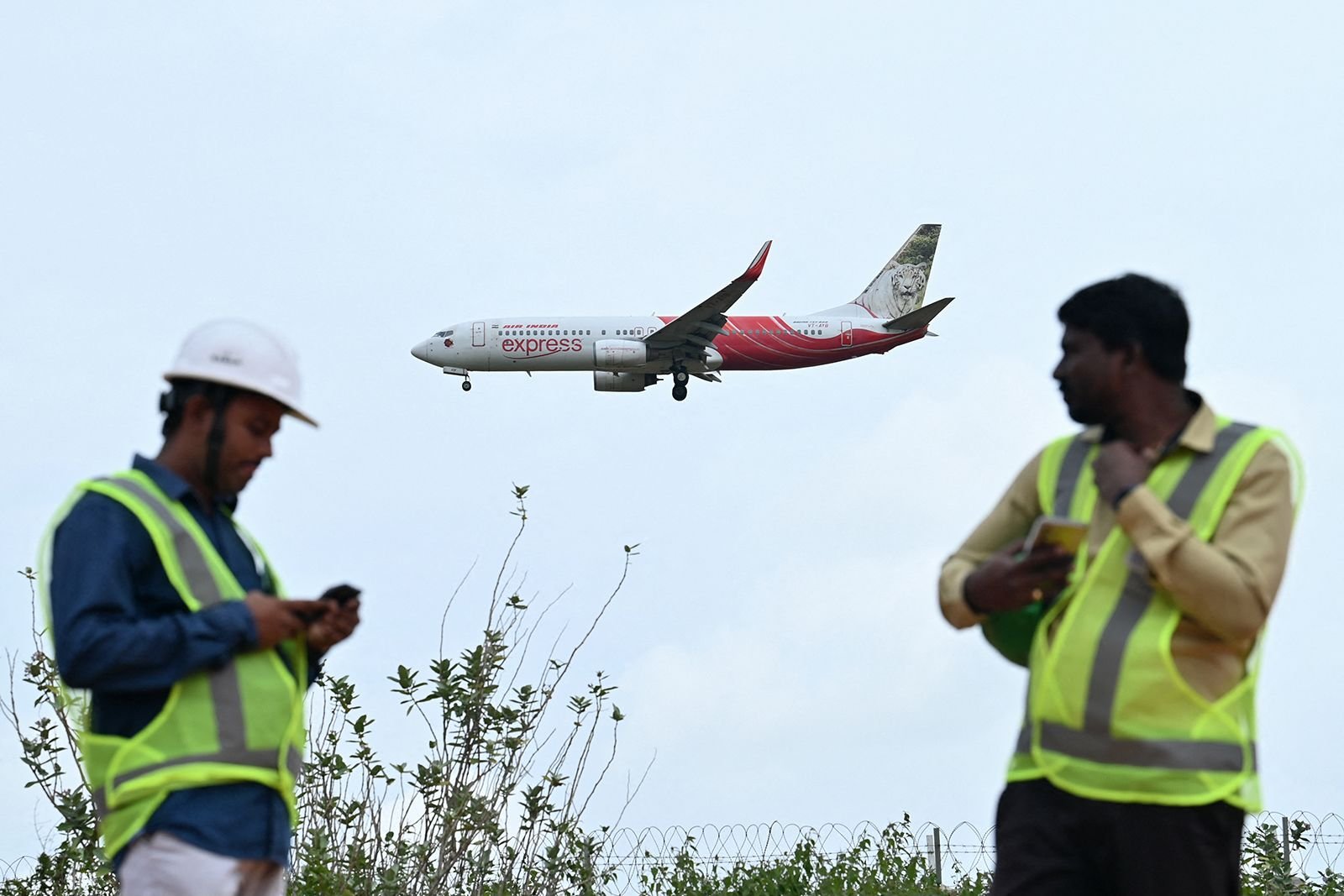
A hoax bomb threat on a Bengaluru to Delhi flight recently caused panic among passengers and triggered emergency security protocols. The incident has raised serious concerns about airport preparedness, response systems, and how such threats continue to disrupt aviation operations in India.
The hoax bomb threat on Bengaluru-Delhi flight exposed gaps in how Indian airports handle false alarms, despite having established security frameworks. While no real threat was found, the disruption highlighted operational vulnerabilities and passenger safety concerns.
What Happened During the Flight Scare
The incident involved a scheduled commercial flight departing from Bengaluru to Delhi, where authorities received a bomb threat message shortly before takeoff. Following standard aviation safety procedures, the aircraft was isolated, passengers were deboarded, and a full security sweep was conducted.
Bomb disposal squads and airport security teams were deployed immediately. Passengers reported confusion, long delays, and lack of clear communication during the process. After thorough checks, officials confirmed the threat was a hoax, but by then, schedules were disrupted and panic had already spread.
Such incidents are not isolated. Indian aviation has seen multiple hoax threats in recent years, often triggered by anonymous calls or messages, forcing authorities to treat each case as credible until proven otherwise.
Standard Airport Security Protocols and Where They Fell Short
Airports in India follow strict guidelines laid out by the Bureau of Civil Aviation Security. Any bomb threat triggers a predefined response including aircraft isolation, baggage checks, passenger screening, and coordination with local law enforcement.
However, in this case, gaps became visible in execution rather than policy. Communication breakdowns were a major issue. Passengers were not given timely updates, leading to speculation and anxiety. Crowd management also appeared weak, especially during the deboarding and holding phases.
Another concern is response time. While security teams acted quickly, the process of verifying threats remains time consuming. This creates a bottleneck that affects airport operations, especially during peak travel hours in busy hubs like Bengaluru.
Rising Trend of Hoax Threats in Indian Aviation
Hoax bomb threats are becoming a recurring challenge across Indian airports. Many of these threats originate from prank calls, personal vendettas, or attempts to delay flights. Despite strict legal consequences, including imprisonment, the frequency has not significantly declined.
The issue lies partly in the ease of making anonymous threats using digital tools. Authorities must treat every alert as genuine, which makes the system vulnerable to misuse. This results in financial losses for airlines, inconvenience for passengers, and pressure on security agencies.
For Tier 2 and Tier 3 passengers who may not be frequent flyers, such incidents also create long lasting fear around air travel, impacting overall confidence in aviation safety.
Impact on Passengers and Airline Operations
The immediate impact is disruption. Flights get delayed or cancelled, leading to missed connections and additional costs for travelers. In this case, passengers reported hours of waiting with limited clarity on next steps.
Airlines also bear operational costs, including rescheduling, fuel wastage, and manpower deployment. Reputational damage is another factor, even when the airline is not at fault.
From a broader perspective, repeated incidents like this strain the entire aviation ecosystem. Airports must allocate additional resources, while security agencies face increased workload without corresponding improvements in threat detection efficiency.
What Needs to Change in Security Response Systems
The Bengaluru incident points to a need for better real time communication systems within airports. Passengers should receive clear updates through announcements, SMS alerts, or app notifications to reduce panic.
Technology can play a larger role. AI based threat assessment tools, improved caller tracking, and faster screening methods can help reduce response time without compromising safety. Integration between airport authorities, airlines, and local police must also be more seamless.
Training of ground staff is equally critical. Handling large groups of anxious passengers requires both operational efficiency and communication skills, which are currently inconsistent across airports.
Legal and Policy Measures to Prevent Future Hoaxes
India already has strict laws against issuing false bomb threats, including provisions under the Indian Penal Code and aviation security regulations. However, enforcement remains a challenge due to difficulties in identifying anonymous perpetrators.
Stronger digital surveillance, faster investigation processes, and public awareness campaigns can act as deterrents. Repeat offenders should face stricter penalties to send a clear message.
At the policy level, there is also a need to review standard operating procedures to balance safety with efficiency. Not every hoax should lead to prolonged disruption if faster verification mechanisms can be implemented.
Takeaways
- Hoax threats continue to exploit mandatory security protocols, causing major disruptions
- Communication gaps during emergencies significantly increase passenger panic
- Airlines and airports face financial and operational strain from repeated incidents
- Technology and stricter enforcement are key to reducing such threats
FAQs
What happens when a bomb threat is reported at an airport?
Authorities isolate the aircraft, evacuate passengers if needed, and conduct a full security sweep before clearing operations.
Are hoax bomb threats common in India?
Yes, there has been a noticeable increase in recent years, often involving anonymous calls or messages.
What legal action is taken against offenders?
Issuing a hoax bomb threat is a serious offense and can lead to arrest, imprisonment, and fines under Indian law.
How can airports improve handling of such incidents?
Better communication, faster threat verification systems, and improved coordination between agencies can significantly reduce disruption.












Leave a comment