

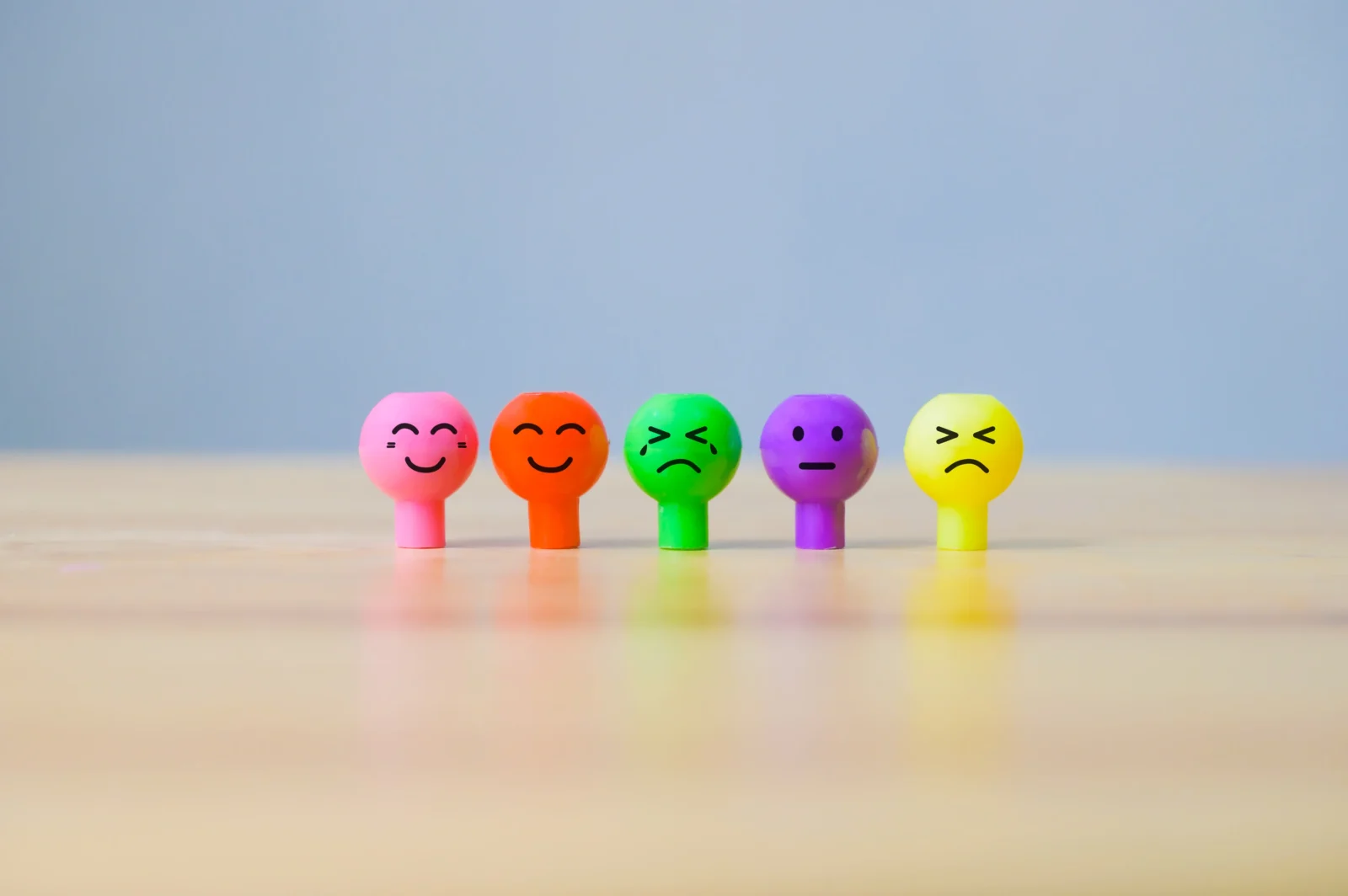
Colors surround us in every aspect of life—from the walls of our homes to the clothes we wear, the apps we use, and even the packaging of products we buy. While we often think of color choices as purely aesthetic, research in psychology shows that colors subtly influence our emotions, behaviors, and decision-making. Understanding this can help individuals in India’s Tier 1 and Tier 2 cities create environments that enhance well-being and productivity.
The Science Behind Color and Emotion
Colors impact the brain by triggering psychological and physiological responses. Warm colors like red, orange, and yellow can increase energy, alertness, and excitement. On the other hand, cool colors such as blue, green, and violet tend to have a calming effect, reducing stress and promoting relaxation. These responses are often subconscious, which means people react to colors without realizing the effect on their mood or behavior.
Red and Orange: Energy and Urgency
Red is a color associated with urgency, passion, and intensity. It can raise heart rates and boost energy, which is why it is commonly used in restaurants, sales signs, and alert messages. Orange, similarly, stimulates enthusiasm and creativity. In workplaces and urban Indian homes, incorporating these colors in moderation can energize spaces, but overuse may cause restlessness or agitation.
Blue and Green: Calm and Focus
Blue and green are known to reduce anxiety and improve focus. Blue can promote trust and stability, making it a popular choice for offices, study rooms, and corporate branding. Green is linked to balance and harmony, often evoking feelings of nature and tranquility. For residents in bustling Tier 1 cities like Mumbai or Bengaluru, adding these colors at home can counteract daily stress and create a soothing environment.
Yellow and Pink: Optimism and Warmth
Yellow evokes positivity, optimism, and creativity. However, bright shades may cause overstimulation if used excessively. Pink is often associated with warmth and compassion, which can soften harsh environments and promote a sense of comfort. These colors are increasingly popular in Indian urban interior design for creating cheerful and inviting spaces.
Practical Implications for Daily Life
Understanding how colors affect mood can guide choices in interior design, clothing, and digital interfaces. Offices, homes, and classrooms in India can strategically use colors to enhance productivity, reduce stress, or improve social interactions. Even small adjustments, like adding a green plant, wearing a blue shirt, or using pastel-colored walls, can subtly improve mental well-being.
Conclusion
Colors are more than just visual appeal—they are powerful tools that influence mood, cognition, and behavior without conscious awareness. By being mindful of color use, individuals in India’s Tier 1 and Tier 2 cities can create environments that foster positivity, focus, and balance, enhancing both personal life and professional productivity.










Leave a comment