

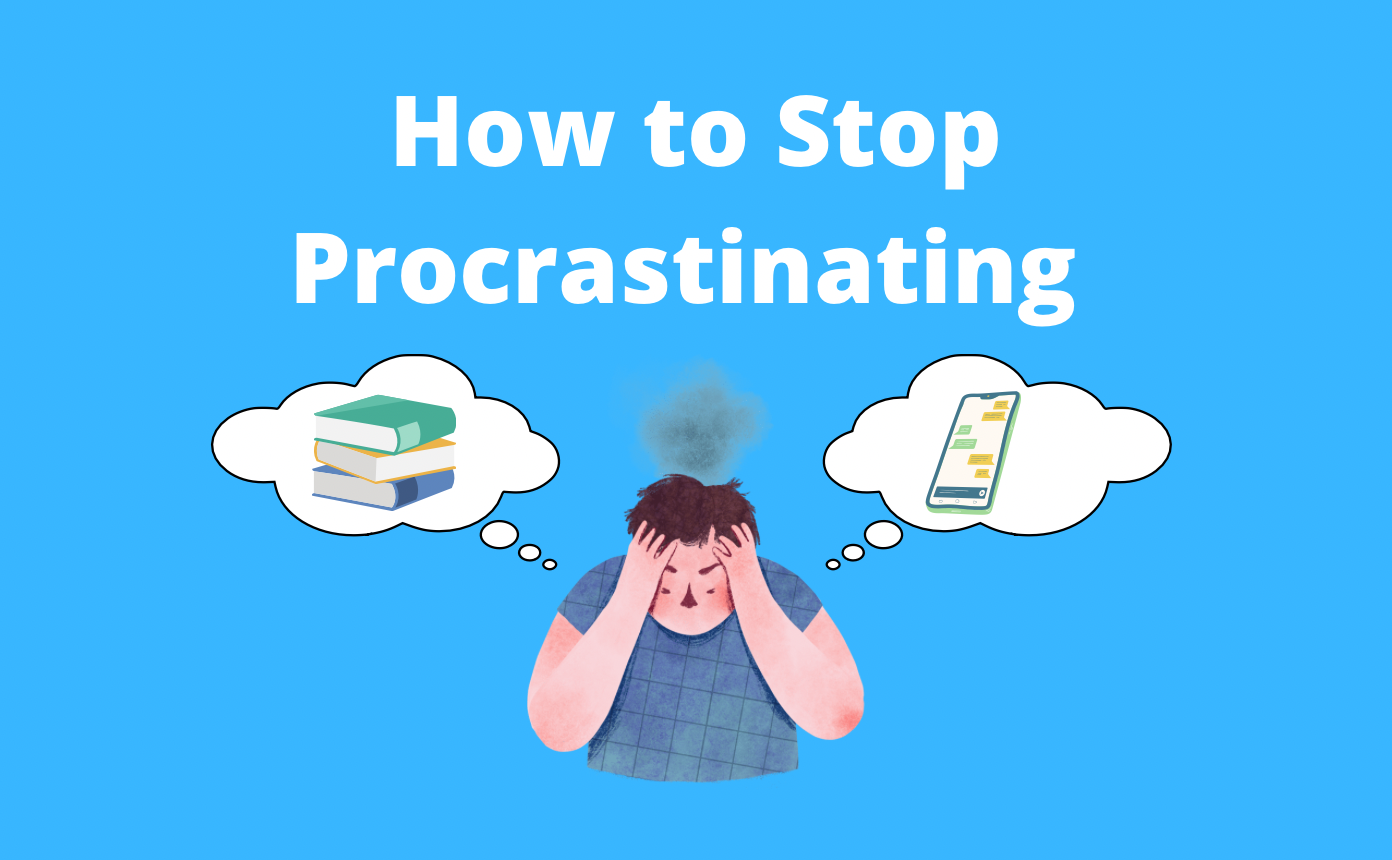
Procrastination is a struggle many Indians face daily, whether it’s delaying office tasks in Tier 1 cities like Mumbai and Bengaluru or putting off personal responsibilities in smaller Tier 2 towns. While it may seem like laziness, experts say procrastination is deeply rooted in psychology. Understanding why we procrastinate is key to breaking the cycle, improving productivity, and reducing stress in our increasingly fast-paced lives.
Why We Delay Tasks
At its core, procrastination is often linked to how the brain responds to tasks perceived as difficult, unpleasant, or anxiety-inducing. When faced with such tasks, the brain prefers immediate gratification—watching videos, scrolling social media, or completing easier tasks—over long-term rewards. This creates a cycle where avoidance temporarily reduces stress but increases pressure later.
The Role of Fear and Perfectionism
Fear of failure and perfectionism are major drivers of procrastination. Many individuals delay work because they worry it won’t meet their standards or others’ expectations. In India’s competitive academic and professional environment, these fears are amplified, especially in Tier 1 cities where high performance is often equated with success. This fear can paralyze individuals, making procrastination seem like the safest option.
Emotional Regulation and Avoidance
Procrastination is also tied to emotional regulation. Tasks that trigger negative emotions—boredom, frustration, or anxiety—are pushed aside in favor of activities that provide immediate comfort. While this coping mechanism can offer short-term relief, it often leads to guilt, stress, and decreased self-confidence, impacting both personal and professional life.
Impact on Daily Life
In urban Indian settings, procrastination can affect work efficiency, career growth, and personal relationships. Delayed decision-making and unfinished responsibilities may strain workplace collaborations or lead to missed opportunities. Even in smaller cities, the habit can contribute to unnecessary stress and decreased motivation, affecting quality of life.
Strategies to Overcome Procrastination
Breaking the cycle requires a combination of awareness, planning, and small actionable steps. Techniques like breaking tasks into manageable parts, setting clear deadlines, and prioritizing high-impact activities can help. Mindfulness and self-compassion are equally important, allowing individuals to reduce anxiety and tackle work without being overwhelmed by fear or perfectionism.
Conclusion
Procrastination is not merely a lack of willpower—it is a psychological response to stress, fear, and emotional discomfort. By understanding the mental mechanisms behind it and adopting structured strategies, individuals in India’s Tier 1 and Tier 2 cities can improve productivity, reduce stress, and achieve personal and professional goals more effectively. Recognizing procrastination as a behavior to manage rather than a flaw to criticize is the first step toward lasting change.












Leave a comment