

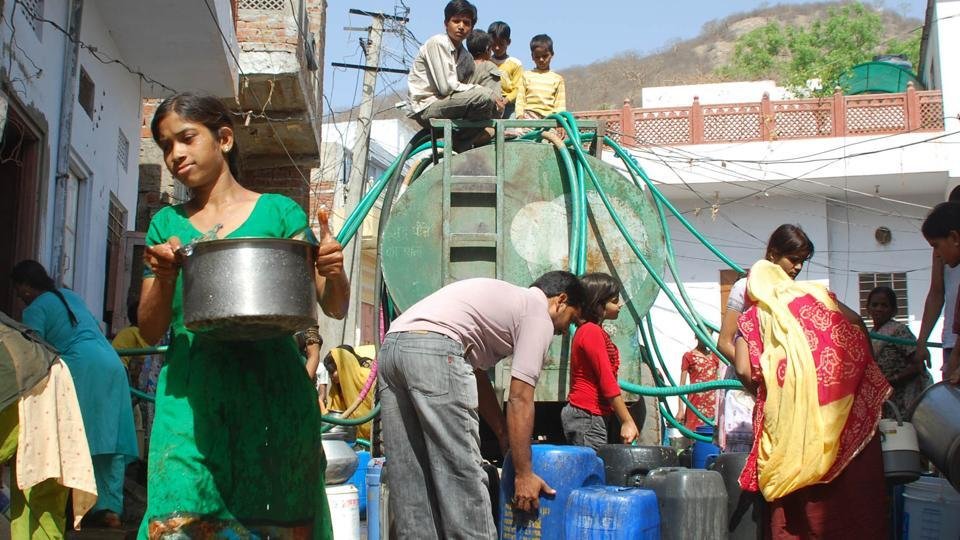
Jaipur water crisis alerts have started earlier than usual in 2026, with several residential areas reporting supply shortages even before peak summer. Ground-level reports indicate rising demand, falling groundwater levels, and uneven distribution across the city.
Early Water Shortage Reports Across Jaipur Localities
The Jaipur water crisis has surfaced in March itself, a period when supply typically remains stable before peak summer demand. Residents in multiple colonies have reported reduced water pressure, irregular supply timings, and dependence on tanker services.
According to officials from the Public Health Engineering Department Rajasthan, demand has risen sharply due to increasing temperatures and early onset of heat conditions. Areas on the outskirts and higher elevations are facing the most disruption.
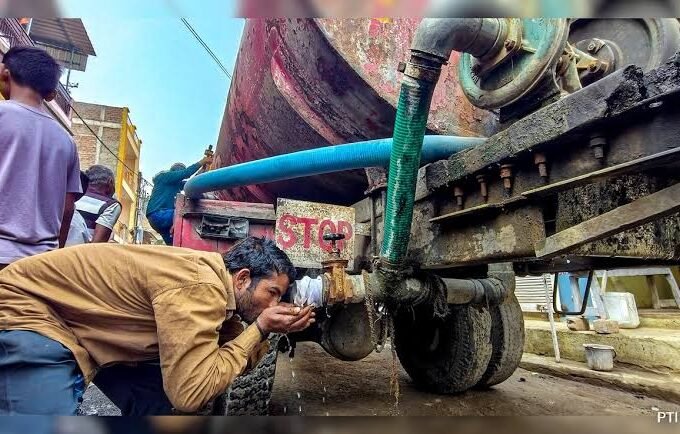
Local reports suggest that many households are receiving water for shorter durations compared to previous months. In some cases, supply frequency has dropped from daily to alternate days, forcing residents to store water and rely on private tankers.
Groundwater Depletion and Supply Challenges in Jaipur
One of the primary reasons behind the Jaipur water crisis is declining groundwater levels. Jaipur relies heavily on both groundwater extraction and surface water sources like the Bisalpur Dam.
Over-extraction of groundwater in urban and peri-urban areas has led to falling water tables. In several parts of the city, borewells have either dried up or are yielding less water than before.
The situation becomes more critical during summer when demand peaks. With temperatures rising earlier in 2026, the gap between supply and demand has widened sooner than expected.
Infrastructure limitations also play a role. Aging pipelines, leakage issues, and uneven distribution networks contribute to inefficiencies in water supply across different localities.
Impact on Residents and Daily Life in Jaipur
The early water shortage is already affecting daily routines across Jaipur. Households are adjusting schedules around water supply timings, often waking up early to store water.
In apartment complexes, water storage systems are under pressure, leading to conflicts among residents over usage. Independent houses are increasingly dependent on tanker water, which adds to monthly expenses.
Schools, small businesses, and local eateries are also feeling the impact. Limited water availability affects sanitation, cooking operations, and overall service quality.
The burden is particularly high in low-income areas where access to private tankers is limited. In such cases, residents often have to rely on community taps or wait for municipal supply.
Why Jaipur Is Facing Early Water Stress in 2026
The Jaipur water crisis 2026 can be linked to a combination of climatic and structural factors. Reduced rainfall in previous seasons has impacted reservoir levels, while rising temperatures have increased evaporation rates.
Urban expansion has also increased water demand significantly. As the city grows, the existing supply infrastructure struggles to keep pace with new residential and commercial developments.
Climate variability is another key factor. Unpredictable weather patterns and shorter winters have led to earlier summer conditions, pushing water systems under stress sooner.
Experts highlight that Jaipur is among several Indian cities facing recurring water stress due to unsustainable groundwater usage and limited recharge mechanisms.
Government Response and Water Management Measures
Authorities have begun implementing contingency measures to manage the situation. The PHED has increased monitoring of supply schedules and is deploying additional tanker services in high-demand areas.
Efforts are also being made to regulate groundwater extraction and promote water conservation practices. Public advisories have been issued urging residents to use water judiciously and avoid wastage.
Long-term measures such as rainwater harvesting and infrastructure upgrades are being discussed, but immediate relief depends on efficient distribution and demand management.
The administration is expected to intensify its response as temperatures continue to rise in April and May.
What Residents Can Expect in the Coming Months
The early onset of the Jaipur water crisis suggests that the situation may worsen as summer progresses. Peak demand months could see further supply restrictions and increased reliance on alternative sources.
Residents should prepare for continued irregular supply and plan water usage accordingly. Storage systems, conservation practices, and community-level coordination will play a key role in managing the crisis.
If pre-monsoon rainfall remains below normal, pressure on water resources could intensify. The coming months will test both administrative preparedness and public cooperation in handling water scarcity.
Takeaways
• Jaipur is experiencing water shortages earlier than usual in 2026 due to rising temperatures
• Groundwater depletion and increased demand are major contributing factors
• Residents are facing irregular supply and higher dependence on tanker water
• Authorities have initiated measures, but challenges may intensify in peak summer
FAQs
Q1. Why has the Jaipur water crisis started early in 2026?
Early heat conditions, rising demand, and declining groundwater levels have triggered shortages sooner than usual.
Q2. Which areas are most affected by water shortages in Jaipur?
Outskirts, elevated localities, and areas with weaker infrastructure are facing more severe supply issues.
Q3. How are authorities responding to the crisis?
The government is increasing tanker supply, monitoring distribution, and promoting water conservation.
Q4. Will the situation improve soon?
Relief depends on weather conditions and effective management, but shortages may continue during peak summer months.







Leave a comment