

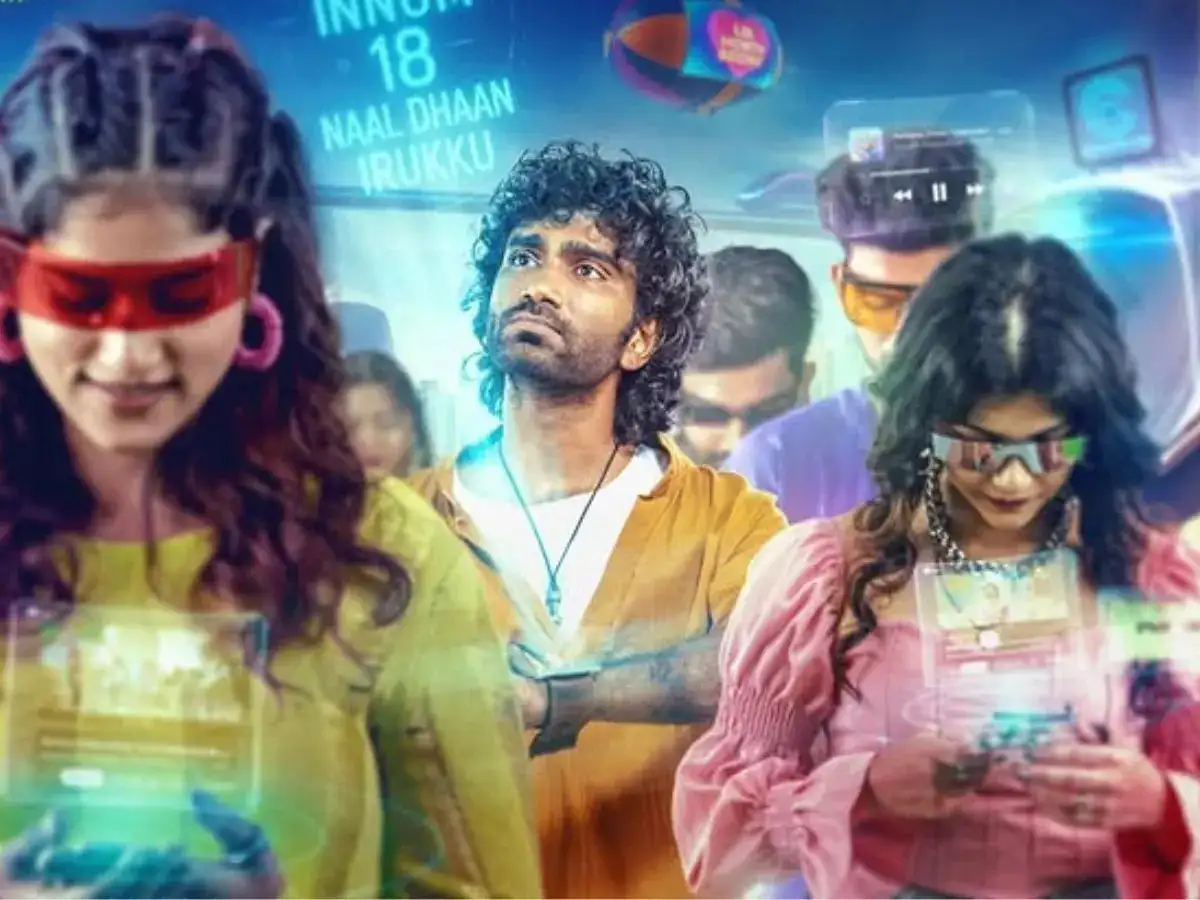
The Love Insurance Kompany OTT shift reflects a growing trend in Indian cinema where mid-budget films are moving quickly to streaming platforms. This transition highlights changing audience behavior, distribution economics, and evolving strategies within the film industry.
Love Insurance Kompany OTT Shift and Industry Context
The Love Insurance Kompany OTT shift is a time-sensitive development tied to current release strategies in the entertainment sector. Mid-budget films, which traditionally relied on theatrical runs, are increasingly opting for early or direct digital releases.
This film, featuring actors like Pradeep Ranganathan and Krithi Shetty, represents a category of cinema that sits between large-scale commercial productions and low-budget independent projects.
These films often face challenges in securing long theatrical windows, especially when competing with high-budget releases. As a result, producers are choosing OTT platforms to ensure wider reach and faster returns.
Why Mid-Budget Films Are Struggling in Theatres
Mid-budget films in India are facing increasing pressure in theatrical markets. Large-scale productions dominate screens, leaving limited slots for smaller titles. This reduces visibility and box office potential for mid-range projects.
Audience preferences have also shifted. Viewers often reserve theatre visits for event films with big stars or visual spectacle. For content-driven films, many prefer waiting for OTT release.
Marketing costs add another layer of complexity. Promoting a film for theatrical release requires significant investment, which may not be viable for mid-budget productions.
These factors have made the theatrical route less predictable, pushing filmmakers to explore alternative distribution models.
OTT Platforms Offer Faster Recovery and Wider Reach
OTT platforms in India provide a more stable and predictable revenue model for mid-budget films. Producers can secure deals that cover production costs and generate profit without depending on box office performance.
Platforms such as Netflix, Amazon Prime Video, and Disney+ Hotstar are actively acquiring content to maintain subscriber engagement.
Digital releases also ensure immediate access to a nationwide audience, including Tier-2 and Tier-3 cities where theatre access may be limited. This expands the potential viewer base beyond traditional urban centres.
The ability to release content simultaneously across regions and languages further enhances reach.
Changing Audience Behavior and Viewing Preferences
Audience behavior is a key factor driving the shift toward OTT. Convenience, affordability, and content variety have made streaming platforms a preferred choice for many viewers.
In smaller cities, where cinema infrastructure may not be as developed, OTT platforms provide easy access to new releases. Viewers can watch content at their own pace, without travel or scheduling constraints.
Family viewing trends also favor OTT. Households often prefer watching films together at home, especially for genres like romance, drama, and comedy, which are common in mid-budget cinema.
This change in consumption patterns is influencing how films are produced and distributed.
Impact on Filmmakers and Production Strategies
The OTT shift is reshaping filmmaking strategies. Directors and producers are now considering digital audiences during the development stage itself.
Storytelling styles are adapting to suit streaming formats. Films are becoming more content-focused, with emphasis on strong narratives and character development rather than scale alone.
Budgets are also being optimized. Producers are balancing production quality with cost efficiency, knowing that returns will come from digital deals rather than theatrical collections.
For emerging filmmakers, OTT platforms offer opportunities to showcase work without the constraints of traditional distribution systems.
Competition and Content Saturation Challenges
While OTT offers advantages, it also introduces new challenges. The number of releases on streaming platforms has increased significantly, leading to intense competition for viewer attention.
Content saturation means that even well-made films can struggle to stand out without strong promotion. Algorithms and platform recommendations play a major role in determining visibility.
For films like Love Insurance Kompany, success will depend on audience reviews, word-of-mouth, and initial engagement metrics.
The digital space rewards quality and consistency, but it also demands constant innovation to capture interest.
Long-Term Implications for Indian Cinema
The growing trend of mid-budget films moving to OTT is likely to have long-term implications for the film industry. Theatres may increasingly focus on big-budget spectacles, while streaming platforms become the primary space for content-driven cinema.
This shift could lead to a more segmented industry, where different types of films are designed for specific platforms from the outset.
At the same time, OTT growth is encouraging diversity in storytelling. Regional films, niche genres, and experimental narratives are finding audiences that were previously difficult to reach.
The balance between theatrical and digital releases will continue to evolve as both models adapt to changing market dynamics.
Takeaways
- Love Insurance Kompany OTT shift reflects a broader trend in mid-budget film distribution
- Theatrical challenges and rising costs are pushing filmmakers toward streaming platforms
- OTT offers wider reach and faster financial recovery for producers
- Audience behavior and content preferences are driving long-term industry changes
FAQs
Why are mid-budget films moving to OTT platforms?
They face limited theatrical opportunities and high marketing costs, while OTT provides a more predictable revenue model.
What benefits do OTT releases offer filmmakers?
Wider audience reach, lower risk, and faster recovery of production costs.
Are theatres losing relevance due to OTT growth?
Theatres remain important for big-budget films, but mid-budget content is increasingly shifting to digital platforms.
How does this trend affect viewers?
Viewers get quicker access to new films and a wider variety of content at home.









Leave a comment