

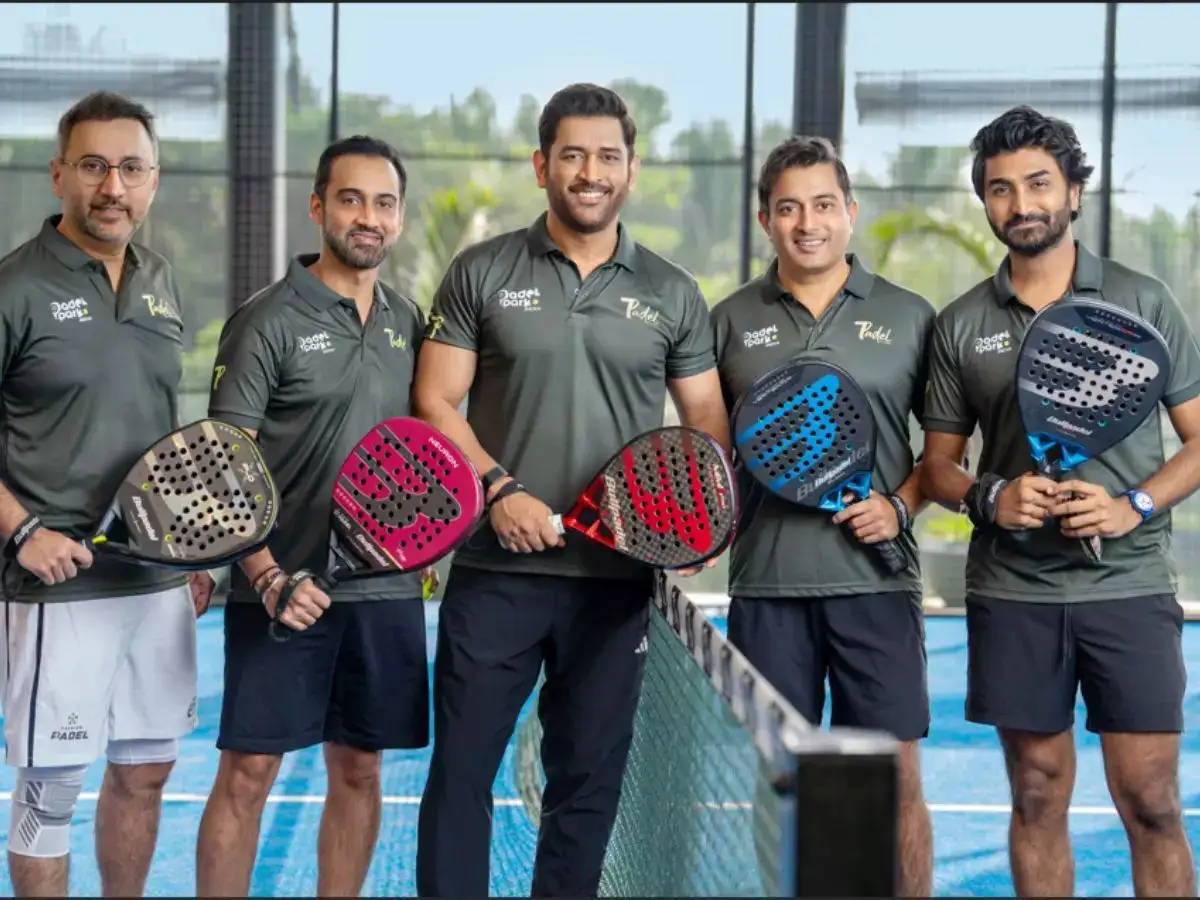
The padel boom with Dhoni backing is reshaping youth sports culture in Tier-2 cities like Indore, Surat, and Jaipur. In 2025, rising club memberships, affordable court access, and social media exposure are turning padel into a fast-growing urban sport beyond metros.
How Dhoni’s Backing Changed Padel’s Visibility
The padel boom with Dhoni backing did not begin at the grassroots, but it accelerated there. When a nationally respected sports figure publicly associated with padel investments and leagues, the sport moved from obscurity to aspiration. For Gen Z and young working professionals, Dhoni’s involvement signaled credibility. In Tier-2 cities, where sports adoption often follows validation rather than experimentation, this mattered. Padel started being viewed not as an elite niche but as a modern, accessible alternative to tennis and badminton.
Why Indore, Surat, and Jaipur Became Early Adopters
Indore, Surat, and Jaipur share three advantages that made them early padel adopters. First, these cities have dense youth populations with rising disposable income. Second, private sports clubs and real estate developers are actively adding lifestyle amenities to attract memberships. Third, space constraints make padel practical. A padel court requires significantly less space than tennis, allowing clubs to build faster and monetize sooner. In Indore and Jaipur, clubs near IT corridors and premium residential zones report strong weekday evening bookings, while Surat shows higher weekend demand linked to business owners and college students.
Youth Uptake Driven by Social and Fitness Appeal
Padel’s youth uptake is not driven purely by competition. The sport fits into a social-first fitness culture. Matches are short, rules are easy to learn, and doubles play encourages group participation. For Gen Z players, padel functions as both sport and networking activity. Many clubs in Jaipur and Indore have positioned padel sessions as social evenings with music, café tie-ins, and beginner-friendly formats. This lowers the intimidation barrier often associated with traditional racket sports and keeps first-time players returning.
Pricing, Accessibility, and Club Economics
Affordability has played a critical role in sustaining the padel boom. Hourly court rentals in Tier-2 cities are priced lower than metro averages, often split among four players. Membership bundles and corporate tie-ups further reduce entry costs. From a business perspective, padel courts offer high utilization rates. Clubs in Surat report peak-hour occupancy comparable to badminton courts within months of launch. Maintenance costs are manageable, and the sport does not require large coaching staff initially, improving margins for operators.
Role of Coaching and Grassroots Development
Early concerns around lack of trained coaches are gradually being addressed. Clubs are partnering with national padel bodies and former racket sport athletes to train local instructors. In Jaipur, structured beginner programs have helped convert casual players into regular participants. Indore clubs are experimenting with junior batches, targeting school students aged 10 to 16. This grassroots push is essential for long-term sustainability, ensuring padel does not remain a trend limited to young adults.
Social Media and Lifestyle Branding Impact
Social media has amplified padel’s appeal far beyond physical courts. Short videos showcasing rallies, glass-wall rebounds, and group matches have performed well on platforms popular with youth. Influencers in Surat and Jaipur frequently feature padel as part of aspirational lifestyle content, linking fitness with social status. This organic visibility has reduced the need for heavy advertising spend by clubs. The sport’s visual appeal and fast pace translate well into digital formats, reinforcing interest among non-players.
Is the Padel Boom Sustainable in Tier-2 Cities
Sustainability depends on depth of adoption rather than hype. Current indicators are positive. Repeat bookings, inter-club leagues, and corporate tournaments suggest padel is moving beyond novelty. However, overexpansion without coaching depth or community building could slow growth. Cities that focus on leagues, youth training, and mixed-skill play are more likely to retain players. Dhoni’s backing may have opened the door, but local execution will decide how long the momentum lasts.
Takeaways
Dhoni’s association accelerated padel’s credibility among youth in Tier-2 cities
Indore, Surat, and Jaipur offer the right mix of space, income, and lifestyle demand
Social-first gameplay and affordability are key drivers of adoption
Long-term growth depends on coaching, leagues, and grassroots programs
FAQs
Why is padel growing faster in Tier-2 cities than expected?
Lower space requirements, affordable pricing, and strong youth interest in social sports have helped padel scale quickly.
Is padel expensive compared to other racket sports?
In Tier-2 cities, shared court costs make padel comparable or cheaper than tennis and similar to premium badminton slots.
Do players need prior tennis or badminton experience?
No. Padel is beginner-friendly, and most clubs offer quick orientation sessions for first-time players.
Will padel remain a trend or become mainstream?
If clubs invest in coaching, leagues, and junior programs, padel has the potential to become a mainstream urban sport.









Leave a comment