

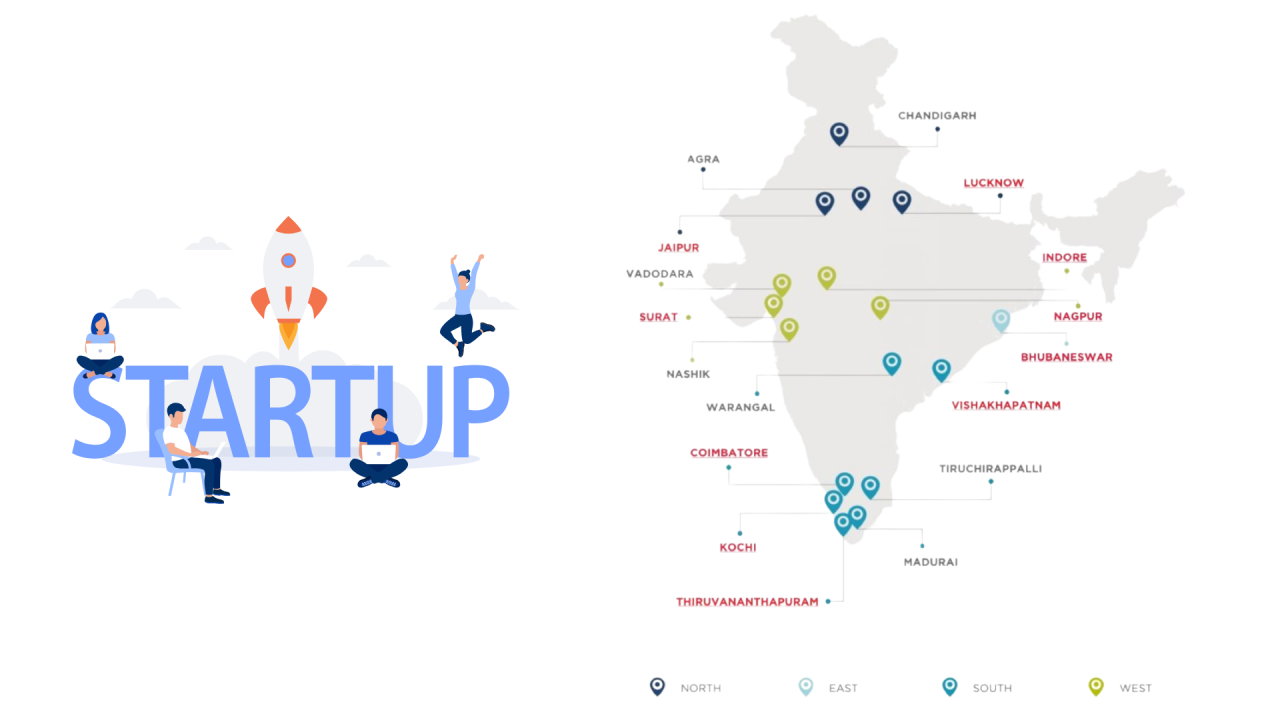
The rise of local startups in Tier-2 cities is becoming a noticeable shift in India’s business landscape. While entrepreneurial activity is expanding beyond metros, funding challenges and ecosystem gaps continue to shape how these startups grow and scale.
Rise of Local Startups in Tier-2 Cities Gains Momentum
The rise of local startups in Tier-2 cities is part of an ongoing trend rather than a single news event, driven by improved digital access, lower operational costs, and growing regional demand. Cities like Indore, Jaipur, Nagpur, Coimbatore, and Surat are seeing an increase in new ventures across sectors.
Entrepreneurs in these regions are focusing on solving local problems, such as logistics, retail distribution, education access, and agriculture services. This localized approach gives them a strong understanding of their target market.
Government initiatives and startup awareness programs have also encouraged first-time founders to explore entrepreneurship. As a result, the startup base in smaller cities is steadily expanding.
Funding Challenges for Tier-2 Startups in India
Tier-2 startup funding challenges remain one of the biggest barriers to growth. Most venture capital firms and angel networks are concentrated in metro cities, making it difficult for founders in smaller regions to access capital.
Startups often rely on personal savings, family funding, or small local investors during early stages. This limits their ability to scale quickly or invest in product development and marketing.
Investor perception is another hurdle. Some investors view Tier-2 startups as higher risk due to limited ecosystem support and fewer success stories. This can lead to stricter evaluation criteria and longer funding cycles.
Even when funding is available, deal sizes are often smaller compared to metro-based startups.
Growth Opportunities in Regional Markets
Despite funding challenges, growth opportunities for startups in smaller cities are significant. Tier-2 markets are less saturated, allowing startups to capture demand more effectively.
Sectors such as agritech, local commerce, healthcare services, and education technology are particularly suited to these regions. Startups can build solutions tailored to local needs, which are often overlooked by larger companies.
Lower operational costs provide an additional advantage. Expenses related to office space, salaries, and logistics are generally lower than in metro cities, allowing startups to operate more efficiently.
This cost advantage can improve sustainability, especially in the early stages of business development.
Role of Digital Infrastructure and Internet Penetration
Digital infrastructure has played a key role in enabling the rise of local startups in Tier-2 cities. Affordable internet access and widespread smartphone usage have created new opportunities for digital businesses.
Startups can now reach customers through online platforms without needing a physical presence in multiple locations. E-commerce, digital payments, and online services have become integral to business models.
Government-led initiatives promoting digital adoption have also contributed to this growth. Entrepreneurs can access tools, resources, and marketplaces that were previously limited to metro areas.
This digital shift has reduced entry barriers and expanded the potential customer base.
Ecosystem Support and Mentorship Gaps
Startup ecosystem support in Tier-2 cities is still developing. While incubators and accelerators are emerging, they are fewer in number compared to metro hubs.
Access to experienced mentors, industry experts, and networking opportunities remains limited. Founders often lack guidance on scaling operations, raising funds, and navigating regulatory requirements.
Community-driven initiatives and local startup networks are beginning to address these gaps. Events, workshops, and online forums are helping entrepreneurs connect and share knowledge.
However, building a strong ecosystem will require sustained effort and investment over time.
Talent Availability and Workforce Challenges
Talent availability is another factor influencing startup growth in smaller cities. While Tier-2 regions have a growing pool of graduates, attracting and retaining skilled professionals can be challenging.
Many professionals prefer to move to metro cities for better career opportunities and higher salaries. This creates a gap in areas such as technology, marketing, and management.
Remote work has partially addressed this issue by allowing startups to hire talent from different locations. However, building cohesive teams and maintaining collaboration can be more complex in distributed setups.
Developing local talent through training programs and partnerships with educational institutions can help bridge this gap.
Government Policies and Emerging Support Systems
Government policies aimed at promoting startups are gradually reaching Tier-2 cities. Initiatives under Startup India and various state programs offer funding support, tax benefits, and incubation facilities.
Some states have launched dedicated startup policies focusing on regional development. These include grants, mentorship programs, and infrastructure support.
Public-private partnerships are also playing a role in strengthening the ecosystem. Collaboration between government bodies, educational institutions, and industry players can accelerate growth.
While progress is visible, consistent implementation and scalability remain important challenges.
Future Outlook for Tier-2 Startup Ecosystem
The future of startups in Tier-2 cities depends on how effectively current challenges are addressed. With increasing digital adoption and entrepreneurial interest, these regions have strong potential for growth.
As more success stories emerge, investor confidence is likely to improve. This can lead to better funding access and stronger ecosystem development.
Sector-specific opportunities, especially those linked to local needs, will continue to drive innovation. Startups that focus on solving real problems with scalable solutions are more likely to succeed.
The rise of local startups is not a short-term trend but part of a broader shift in India’s economic landscape.
Takeaways
- Tier-2 cities are witnessing a steady rise in local startup activity
- Funding access and ecosystem support remain key challenges
- Lower costs and untapped markets offer strong growth opportunities
- Digital infrastructure is enabling startups to scale beyond local regions
FAQs
Why are startups emerging in Tier-2 cities?
Improved internet access, lower costs, and growing local demand are encouraging entrepreneurship in these regions.
What are the main funding challenges for Tier-2 startups?
Limited investor presence, smaller deal sizes, and perception-related risks are major hurdles.
Which sectors are growing in smaller cities?
Agritech, healthcare, education technology, and local commerce are seeing strong growth.
Can Tier-2 cities become major startup hubs?
Yes, with better funding access, infrastructure, and ecosystem support, they have strong potential.












Leave a comment