

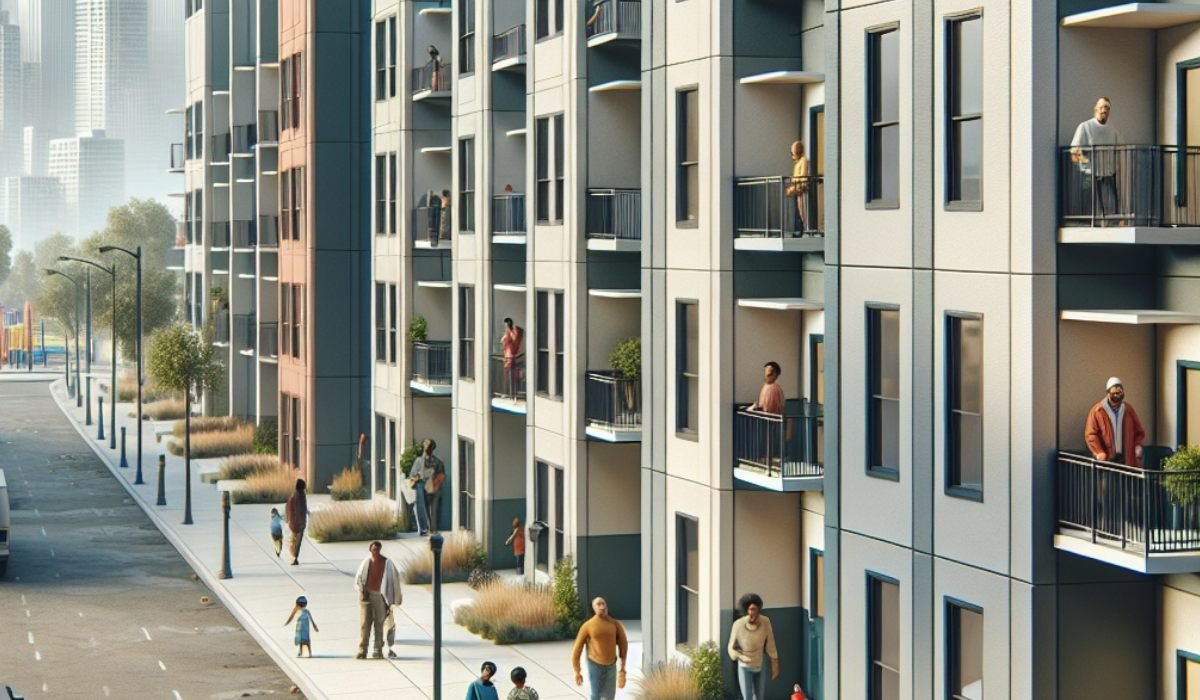
India’s Tier-2 cities were once seen as the answer to expensive metro living, but rising property prices are now changing that reality. Cities like Indore, Nagpur, Jaipur, Lucknow, Surat, Kochi, and Coimbatore are witnessing steady real estate growth, increasing demand, and shrinking affordability for middle-class homebuyers. Experts say affordable housing is still available in many regions, but the gap is narrowing much faster than expected.
Why Tier-2 Cities Became India’s Real Estate Growth Engine
For nearly a decade, Tier-2 cities attracted homebuyers because of lower property rates, improving infrastructure, and expanding job opportunities. The rise of IT parks, highways, airports, metro projects, and smart city developments pushed demand beyond traditional metros like Mumbai, Delhi, and Bengaluru.
Cities such as Indore, Jaipur, Lucknow, Bhubaneswar, and Nagpur began attracting professionals, startups, and investors looking for better quality of life at lower costs. Improved connectivity through projects like the Delhi-Mumbai Expressway also boosted interest in smaller urban centers.
Developers responded quickly by launching residential projects across emerging corridors. What started as affordable housing expansion has gradually shifted toward premium apartments, gated communities, and luxury townships.
That shift is now affecting affordability for average salaried buyers.
Property Prices Are Rising Faster Than Local Incomes
One of the biggest concerns in India’s Tier-2 housing market is the growing mismatch between property prices and income growth.
According to multiple real estate reports published in 2025 and 2026, land prices in several Tier-2 and Tier-3 cities could rise between 25% and 100% over the next few years because of infrastructure expansion and investor demand.
At the same time, the Reserve Bank of India’s housing price data showed continued upward movement in residential property values across the country.
The problem is that salaries in many Tier-2 cities have not increased at the same pace. Middle-income families who could earlier buy a 2BHK apartment comfortably are now facing higher EMIs, larger down payments, and increased registration costs.
In several cities, developers are focusing more on premium housing because profit margins are stronger in higher-value projects. Reports from Reuters and PropEquity suggest affordable housing demand has weakened while premium housing transactions continue to rise.
Affordable Housing Supply Is Slowly Shrinking
Affordable housing has not disappeared completely, but supply is becoming limited in prime locations.
Earlier, homebuyers in cities like Nagpur, Indore, or Jaipur could find reasonably priced homes near business districts or growing commercial zones. Today, many affordable projects are shifting toward outskirts due to rising land costs within city limits.
This creates another challenge. Buyers may get cheaper homes farther away, but commuting costs and travel time increase significantly.
Real estate analysts also point out that developers are increasingly targeting upper-middle-class buyers. Luxury apartments, branded residences, and integrated townships are receiving more attention because wealthier buyers are less affected by interest rate fluctuations.
Even in cities where affordable housing remains available, the definition of “affordable” itself is changing. A property considered budget-friendly in 2020 may now cost 40% to 60% more depending on location and infrastructure growth.
Government Housing Schemes Still Offer Some Relief
Government-backed housing schemes continue to play an important role in supporting first-time homebuyers.
Programs like Pradhan Mantri Awas Yojana Urban 2.0, MHADA housing initiatives, DDA schemes, and state-level affordable housing projects are helping lower and middle-income families access subsidized housing opportunities.
The Union Budget 2026 also highlighted affordable housing and infrastructure-led urban development as key priorities.
However, experts believe policy support alone may not be enough if land prices continue rising rapidly. Affordable housing developers often struggle with high construction costs, expensive urban land, approval delays, and financing challenges.
Many analysts now argue that future affordability will depend on balanced urban planning rather than only subsidies.
What This Means for Homebuyers in 2026
For middle-class buyers, the current market creates both opportunity and risk.
Tier-2 cities are still significantly cheaper than Mumbai, Delhi, or Bengaluru. In many locations, buyers can still purchase homes at prices impossible in metro cities.
But waiting too long may make entry harder as infrastructure projects push prices upward. Investors are increasingly entering Tier-2 markets because they expect long-term appreciation and higher rental demand.
Experts suggest that buyers should focus on cities with strong employment growth, reliable infrastructure development, and RERA-approved projects rather than chasing speculative property hotspots.
The next few years may decide whether Tier-2 India remains a practical housing alternative for the middle class or slowly becomes another expensive real estate battleground.
Key Takeaways
- Tier-2 cities are seeing rapid property price growth due to infrastructure and investment demand
- Affordable housing supply is reducing in central and high-demand urban areas
- Developers are increasingly prioritizing premium and luxury housing projects
- Government schemes continue supporting first-time homebuyers, but affordability concerns remain
FAQs
Why are property prices rising in Tier-2 Indian cities?
Property prices are increasing because of better infrastructure, rising investor interest, urban migration, and expansion of industries and startups into smaller cities.
Which Tier-2 cities are seeing strong real estate growth?
Cities like Indore, Jaipur, Lucknow, Nagpur, Surat, Kochi, Coimbatore, and Bhubaneswar are witnessing major residential and infrastructure growth.
Is affordable housing still available in Tier-2 India?
Yes, affordable housing still exists, especially in suburban and developing zones, but availability in prime city areas is reducing.
Are government housing schemes helping middle-class buyers?
Schemes like PMAY-U 2.0 and MHADA provide financial assistance and subsidized housing opportunities, especially for first-time buyers and lower-income families.










Leave a comment