

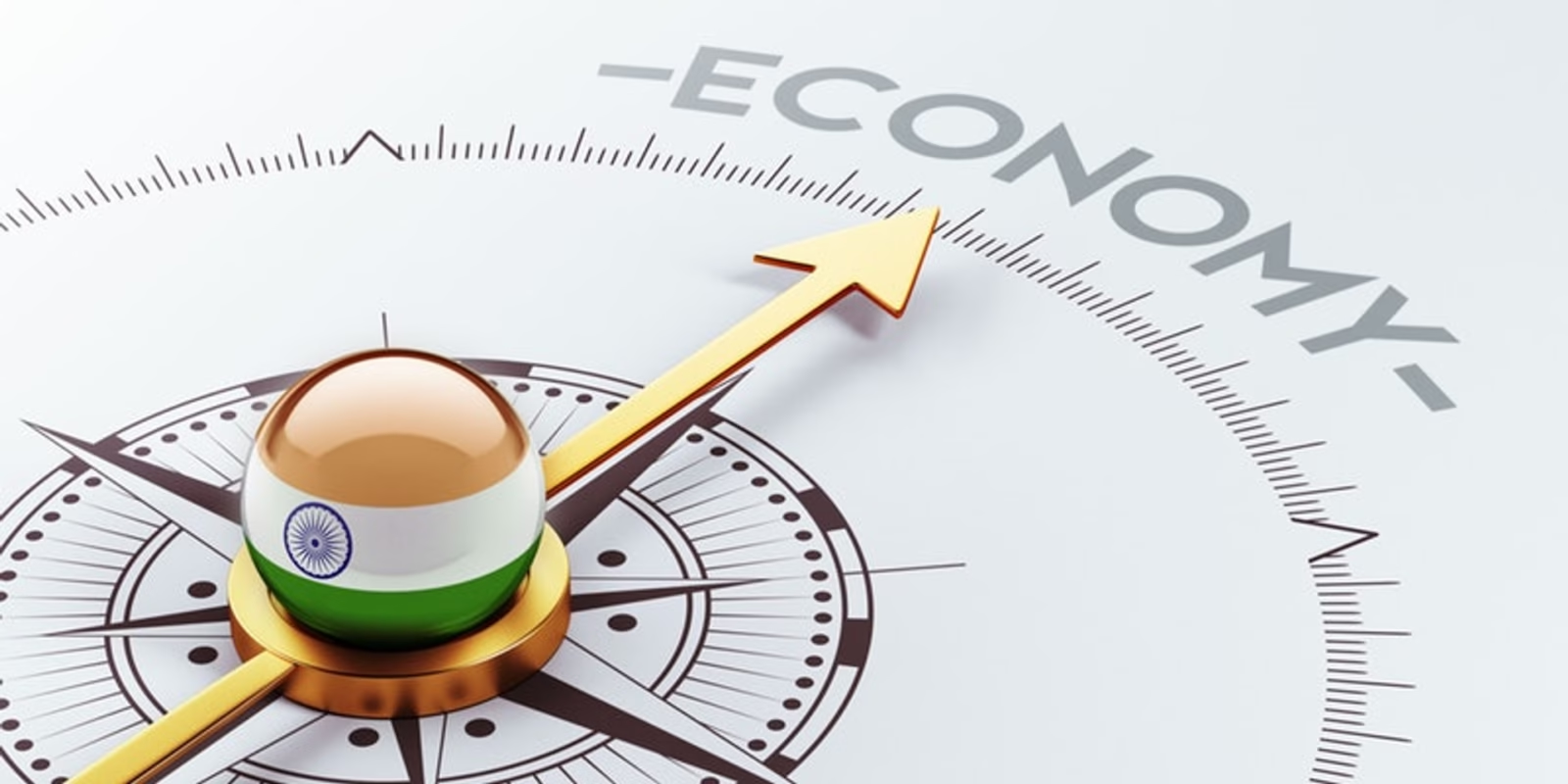
India’s Tier-2 cities are experiencing rapid economic growth, attracting businesses that once focused mainly on metro markets. Lower costs, rising consumer demand, and improving infrastructure are encouraging companies across sectors to expand operations beyond traditional urban hubs.
Tier-2 Cities Are Becoming New Growth Centers
The rapid growth of India’s Tier-2 cities is reshaping how businesses approach expansion strategies. Cities such as Indore, Nagpur, Surat, Jaipur, Coimbatore, and Lucknow are emerging as attractive markets for companies seeking both new customers and lower operational costs.
Over the past decade, economic activity has gradually spread beyond major metropolitan regions like Mumbai, Delhi, and Bengaluru. Rising urbanization, digital connectivity, and infrastructure development have made smaller cities more business friendly.
Many companies now view Tier-2 markets as essential for long term growth. These cities offer expanding middle class populations with increasing purchasing power. As disposable income rises, consumer demand for products and services also increases.
Retail chains, technology firms, logistics companies, and startups are therefore investing in offices, warehouses, and retail outlets in these locations.
Lower Operating Costs Encourage Business Expansion
One of the biggest factors behind business expansion into Tier-2 cities is significantly lower operating costs compared to metros. Office rent, commercial property prices, and employee salaries are generally lower in smaller cities.
For example, leasing office space in cities such as Pune or Hyderabad is often much more expensive than in emerging business centers like Indore or Nagpur. Businesses looking to reduce overhead costs see smaller cities as practical alternatives.
Lower living costs also make it easier for companies to recruit and retain employees. Professionals working in Tier-2 cities often experience lower housing costs and shorter commuting times compared to metro workers.
As a result, many companies are opening satellite offices or operational hubs outside large urban centers.
Infrastructure Development Is Supporting Economic Growth
Improving infrastructure has played a key role in accelerating the growth of Tier-2 cities. Government investments in highways, airports, metro rail systems, and digital connectivity have made these cities more accessible for business operations.
Initiatives such as the Smart Cities Mission and industrial corridor projects have encouraged local development in many smaller urban areas. These programs aim to improve urban services, transport systems, and digital infrastructure.
Better logistics connectivity is especially important for sectors such as manufacturing, e commerce, and warehousing. Improved highways and freight corridors allow goods to move efficiently between production centers and markets.
Airports in cities like Lucknow, Coimbatore, and Jaipur have also expanded connectivity, making business travel easier for companies operating outside metro regions.
Rising Consumer Demand in Smaller Cities
Consumer markets in Tier-2 cities are growing rapidly as incomes increase and digital access expands. Internet penetration and smartphone adoption have connected millions of consumers to online marketplaces and digital services.
E commerce companies such as Flipkart and Amazon report significant order volumes from smaller cities and towns. Many first time online shoppers now come from these regions.
Retail brands are also responding to this shift. Shopping malls, organized retail stores, and branded outlets are increasingly opening in Tier-2 cities to meet rising consumer demand.
Food delivery platforms, ride sharing services, and digital payment systems have further accelerated urban lifestyle changes in these cities.
The combination of population growth and rising purchasing power has made these markets increasingly attractive for companies seeking new revenue streams.
Startups and Technology Companies Enter Tier-2 Markets
The startup ecosystem in India is also expanding beyond major technology hubs. While cities like Bengaluru and Hyderabad remain important centers for innovation, many startups are now establishing operations in smaller cities.
Lower operating costs allow startups to extend their financial runway while accessing skilled talent from local universities and colleges. Remote work culture has further reduced the need for businesses to concentrate in expensive metropolitan areas.
Technology services, digital marketing agencies, fintech startups, and education technology companies are among the sectors expanding in Tier-2 cities.
State governments are also encouraging startup growth through incubation centers, funding programs, and innovation hubs.
These developments are gradually creating new employment opportunities and strengthening local economies.
The Future Outlook for Tier-2 City Growth
The rapid growth of India’s Tier-2 cities is expected to continue over the coming years as infrastructure, digital connectivity, and consumer demand keep expanding. Many economic experts believe these cities will play a major role in India’s long term urban development.
As congestion and costs increase in major metros, businesses are likely to continue exploring smaller cities as strategic expansion locations.
Urban planning, transportation networks, and investment policies will play an important role in determining how effectively these cities manage their growth.
If current trends continue, Tier-2 cities could become major engines of economic development and employment generation across India.
Takeaways
India’s Tier-2 cities are attracting businesses due to lower operational costs and expanding consumer markets.
Infrastructure improvements such as highways, airports, and digital connectivity are accelerating economic growth.
Retail, e commerce, technology, and startup sectors are increasingly investing in smaller urban centers.
Tier-2 cities are expected to become major contributors to India’s future economic expansion.
FAQs
What are Tier-2 cities in India?
Tier-2 cities are mid sized urban centers that are smaller than major metros but have growing populations, developing infrastructure, and expanding economic activity.
Why are businesses expanding into Tier-2 cities?
Companies are attracted by lower costs, growing consumer demand, improving infrastructure, and access to local talent.
Which industries are investing in Tier-2 cities?
Retail, e commerce, logistics, manufacturing, technology services, and startups are among the sectors expanding in these cities.
Will Tier-2 cities become major economic hubs?
Many experts believe that Tier-2 cities will play a significant role in India’s economic growth as urbanization and digital connectivity continue to expand.










Leave a comment