

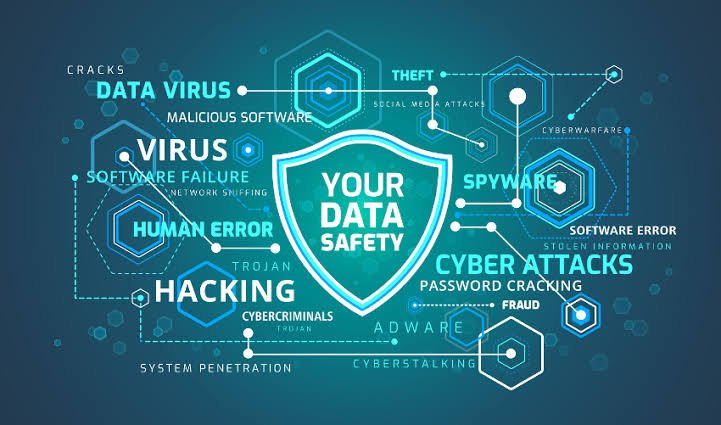
Cyber threats are no longer limited to large corporations. Small businesses across India are increasingly becoming targets of phishing, ransomware and financial fraud, making cybersecurity awareness an essential part of daily business operations and long-term growth.
Time Sensitivity: This is an evergreen topic with strong current relevance. The article is educational in nature and reflects ongoing cybersecurity trends affecting businesses worldwide, including India’s growing digital economy.
The importance of cybersecurity awareness for small businesses has increased significantly as more companies shift their operations online. From accepting digital payments and maintaining customer databases to managing cloud-based accounts and communicating through email, small businesses now depend heavily on digital technology. While these tools improve efficiency and business growth, they also expose organisations to cyber threats that can disrupt operations, compromise sensitive information and cause financial losses.
Contrary to popular belief, cybercriminals do not only target large enterprises. Small and medium-sized businesses (SMEs) are often viewed as easier targets because they typically have limited cybersecurity infrastructure, smaller IT teams and lower awareness of digital risks. As India’s digital economy expands, protecting business data has become a necessity rather than an optional investment.
Small Businesses Are Becoming Frequent Cyberattack Targets
Many business owners assume hackers focus only on multinational corporations or financial institutions. However, cybersecurity experts consistently report that small businesses are increasingly affected by cybercrime because attackers often exploit weaker security practices.
Common threats include phishing emails, fake payment requests, ransomware attacks, malware, business email compromise and identity theft. In many cases, employees unknowingly click malicious links or download infected attachments, allowing criminals to access business systems.
Once inside a network, attackers may steal customer information, encrypt important files for ransom or gain access to financial accounts. Even a single successful attack can interrupt business operations for days or weeks, resulting in financial losses and reputational damage.
Digital Payments Have Increased Security Responsibilities
India’s rapid adoption of digital payments has transformed how businesses operate. UPI, internet banking, QR code payments and online invoicing have simplified transactions for millions of businesses.
However, greater digital convenience also requires stronger cybersecurity practices. Fraudsters frequently create fake payment links, impersonate banks, misuse QR codes and conduct social engineering scams to steal money from business owners.
Employees responsible for handling payments must understand how to verify transactions, identify suspicious requests and avoid sharing confidential financial information. Regular awareness training helps reduce the likelihood of costly mistakes caused by human error.
Businesses should also implement multi-factor authentication and monitor financial accounts regularly to detect unusual activity quickly.
Human Error Remains the Biggest Security Risk
Technology alone cannot prevent cyberattacks. Studies consistently show that human error remains one of the leading causes of security breaches.
Weak passwords, password reuse, sharing login credentials, clicking fraudulent emails and downloading software from untrusted sources create opportunities for attackers. Even businesses with modern security software remain vulnerable if employees are unaware of common cyber threats.
Regular employee training is one of the most effective cybersecurity investments a small business can make. Staff members should know how to recognise phishing attempts, verify unexpected requests and report suspicious activity immediately.
Building a culture of cybersecurity awareness encourages everyone in the organisation to take responsibility for protecting digital assets.
Cloud Services and Remote Work Require Better Protection
Cloud-based software has become increasingly popular among Indian businesses. Customer relationship management platforms, accounting software, file storage services and collaboration tools allow employees to work efficiently from different locations.
While cloud services offer flexibility and scalability, they also require proper security practices. Businesses should choose reputable providers, enable multi-factor authentication and regularly update access permissions for employees.
Remote work has further increased cybersecurity responsibilities. Employees accessing company systems through home networks or personal devices may unknowingly expose sensitive information if appropriate safeguards are not in place.
Clear security policies, secure Wi-Fi usage and encrypted communication channels help minimise these risks.
Cybersecurity Builds Customer Trust
Protecting customer information is not only a technical responsibility but also an important business advantage. Customers increasingly expect businesses to safeguard personal details, payment information and confidential records.
A serious data breach can damage a company’s reputation and reduce customer confidence. Recovering trust after such incidents often takes significantly longer than resolving the technical problem itself.
Businesses that demonstrate responsible cybersecurity practices strengthen their credibility and improve long-term customer relationships. As privacy regulations continue evolving, secure data management will become even more important for organisations of every size.
Building a Strong Cybersecurity Strategy
Developing effective cybersecurity does not necessarily require expensive technology. Many essential protections are affordable and relatively easy to implement.
Businesses should keep software updated, use antivirus protection, enable automatic security updates, create strong password policies and back up important data regularly. Multi-factor authentication should be activated for email accounts, banking applications and cloud services whenever available.
Business owners should also prepare an incident response plan that explains how to react if a cyberattack occurs. Quick reporting, system isolation and professional technical assistance can significantly reduce the impact of security incidents.
As cyber threats continue evolving, continuous learning remains one of the strongest forms of defence.
The Road Ahead for Small Businesses
India’s digital transformation is creating tremendous opportunities for entrepreneurs, startups and small enterprises. Artificial intelligence, cloud computing and digital commerce are helping businesses become more productive and competitive.
At the same time, cybercriminals continue developing more sophisticated attack methods. Businesses that combine technological safeguards with employee awareness will be better prepared to manage these risks.
Cybersecurity is no longer only an IT issue. It is a business responsibility that influences financial stability, customer confidence and long-term growth. For small businesses, investing in cybersecurity awareness today can prevent far greater losses in the future.
Key Takeaways
- Small businesses are increasingly targeted by cybercriminals due to weaker security systems.
- Employee awareness is one of the most effective defences against phishing and online fraud.
- Secure digital payment practices and multi-factor authentication reduce financial risks.
- Strong cybersecurity improves customer trust and supports long-term business growth.
Frequently Asked Questions
Q1. Why are small businesses targeted by cybercriminals?
Small businesses often have fewer cybersecurity resources, making them easier targets for phishing, ransomware and financial fraud.
Q2. What is the most common cybersecurity threat for small businesses?
Phishing emails remain one of the most common threats because they rely on human error rather than technical vulnerabilities.
Q3. How can small businesses improve cybersecurity?
Businesses should provide employee training, enable multi-factor authentication, use strong passwords, install software updates regularly and back up important data.
Q4. Is cybersecurity important even for very small businesses?
Yes. Any business that uses email, digital payments, cloud services or customer data can become a target of cyberattacks, regardless of its size.
(Internal keyword suggestions: cybersecurity awareness, small business cybersecurity, cyber threats India, phishing attacks, ransomware protection, SME cybersecurity, digital payment security, business cyber safety, cybersecurity tips, data protection for businesses)












Leave a comment