

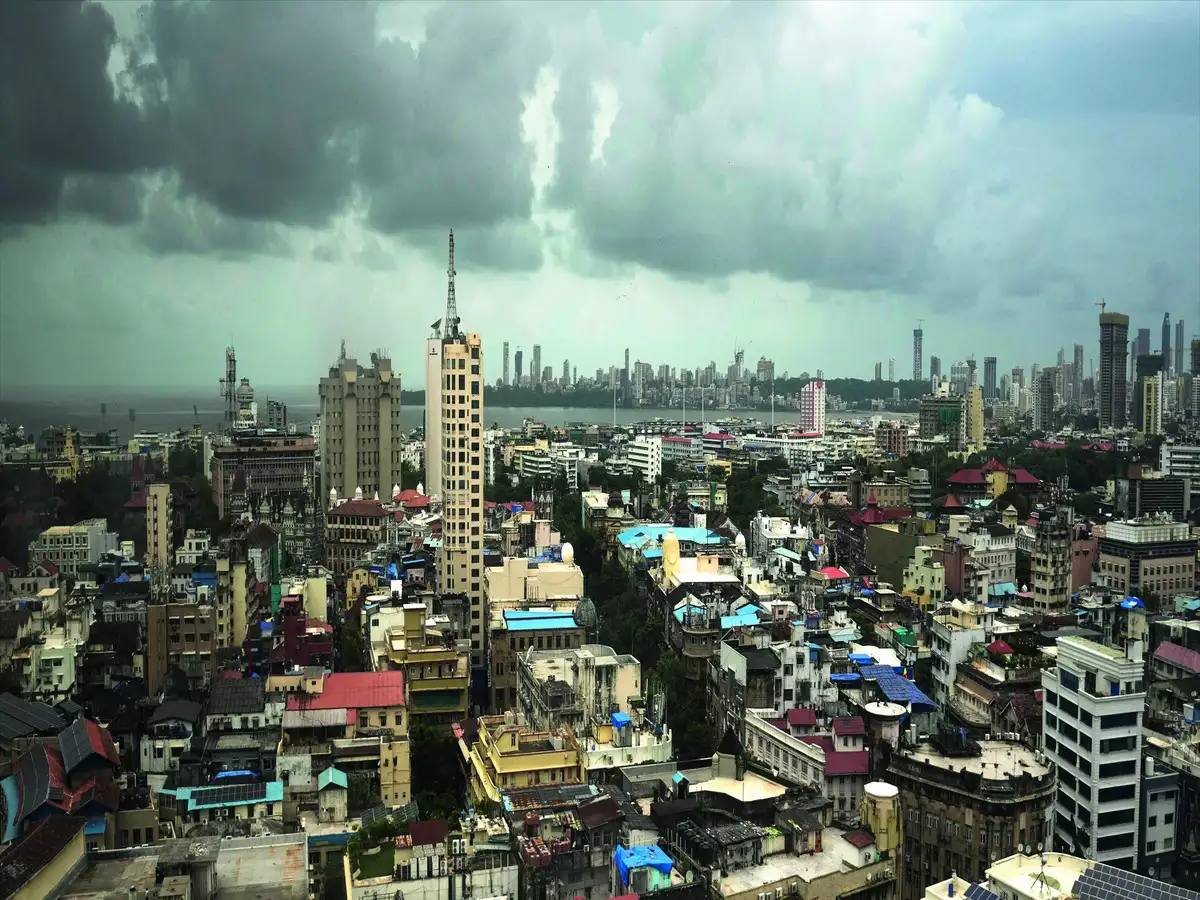
Maharashtra has announced an ambitious plan to grow into a $1 trillion state economy, positioning itself as India’s largest economic engine. The policy direction is expected to reshape development beyond Mumbai and Pune, bringing investment, jobs, and infrastructure growth to cities such as Nashik, Nagpur, Aurangabad, and Kolhapur.
Maharashtra’s $1 Trillion Economy Vision Explained
Maharashtra’s $1 trillion economy plan refers to the state government’s long term economic target to significantly expand its gross state domestic product (GSDP). Maharashtra already has the largest state economy in India, contributing roughly 14 to 15 percent of the country’s GDP. The goal now is to nearly double the current economic output within the next decade through industrial expansion, infrastructure investment, and technology driven growth.
The strategy focuses on strengthening manufacturing, logistics, financial services, agriculture processing, and digital industries. Major policy initiatives include industrial corridors, improved connectivity through highways and freight corridors, new logistics hubs, and incentives for manufacturing investments.
For cities like Nashik and Nagpur, this plan signals a shift in economic focus away from a purely Mumbai centered development model. Policymakers increasingly see Tier 2 cities as engines of future growth because of their lower operating costs, available land, and growing talent pool.
Why Tier 2 Cities Are Central to Maharashtra’s Growth
The state cannot reach a $1 trillion economy by relying only on Mumbai and Pune. Both cities already face land constraints, congestion, and rising operational costs. As a result, the government and private sector are gradually expanding investments into secondary cities.
Cities like Nashik and Nagpur are strategically positioned for this transition. Nashik has become a strong manufacturing and agriculture processing hub, particularly in the automotive, wine production, and engineering sectors. The city also benefits from its location on the Mumbai Nagpur Samruddhi Expressway, which significantly reduces travel time and improves freight connectivity.
Nagpur, on the other hand, is emerging as a logistics and transport hub due to its central geographic location. The city hosts the Multi Modal International Cargo Hub and Airport at Nagpur (MIHAN), a major project designed to boost cargo handling, aviation services, and IT operations.
With better infrastructure and lower real estate costs compared to metro cities, these locations are becoming attractive for new industries, startups, and logistics companies.
Infrastructure Projects Driving Economic Expansion
Infrastructure development is a key component of Maharashtra’s economic strategy. The government has prioritized large scale projects designed to unlock growth in non metro regions.
The Mumbai Nagpur Samruddhi Mahamarg expressway is one of the most transformative projects. The highway connects Mumbai with Nagpur through multiple districts including Nashik, Aurangabad, and Jalna. By improving freight movement and reducing travel time, the corridor is expected to stimulate industrial clusters along its route.
Other infrastructure initiatives include new industrial parks, logistics hubs, metro rail expansions, and improvements in rail freight connectivity. These projects are intended to attract both domestic and foreign investment to emerging cities.
Better connectivity also helps agricultural markets. For example, Nashik is one of India’s largest onion producing regions, and improved logistics can help farmers access larger markets faster and reduce post harvest losses.
Business and Employment Opportunities in Smaller Cities
As Maharashtra expands its economy, businesses are expected to diversify geographically. Manufacturing firms looking for large industrial land parcels are increasingly exploring Tier 2 locations.
IT and service sector companies are also experimenting with satellite offices in smaller cities to reduce operating costs while accessing skilled talent. Educational institutions in cities like Nashik and Nagpur already produce engineering, management, and technical graduates each year.
The shift could also support the growth of local startups. Lower living costs and improved digital infrastructure allow entrepreneurs to build companies without relocating to major metro areas.
For young professionals, this trend may create opportunities to build careers closer to home rather than migrating to Mumbai or Bengaluru.
What It Means for Urban Development and Quality of Life
Economic expansion in Tier 2 cities will likely accelerate urban development. Increased investment typically leads to improved public infrastructure, housing projects, healthcare facilities, and retail growth.
Cities like Nashik are already seeing new residential developments and commercial spaces emerging along major highways and industrial zones. Nagpur’s development as a logistics and aviation hub is expected to increase demand for housing, office space, and services.
However, the transition will also require careful urban planning. Rapid economic growth can create pressure on water supply, transport systems, and environmental sustainability if not managed properly.
The long term success of Maharashtra’s economic vision will depend on balanced development that ensures infrastructure growth keeps pace with rising population and industrial expansion.
Takeaways
• Maharashtra aims to grow its economy to $1 trillion through industrial expansion and infrastructure investment
• Tier 2 cities like Nashik and Nagpur are becoming key growth centers beyond Mumbai and Pune
• Infrastructure projects such as the Samruddhi Expressway are boosting logistics and connectivity
• The shift could create new jobs, startup opportunities, and improved urban development in smaller cities
FAQs
What does a $1 trillion state economy mean for Maharashtra?
It means the state aims to increase its total economic output to $1 trillion, making it one of the largest regional economies in Asia and strengthening its role in India’s overall GDP growth.
Why are Nashik and Nagpur important in this plan?
These cities offer available land, growing infrastructure, and lower business costs compared to Mumbai and Pune, making them attractive for new investments and industries.
Which sectors are expected to grow in Tier 2 cities?
Manufacturing, logistics, agriculture processing, IT services, and startups are expected to expand significantly in cities like Nashik and Nagpur.
How will infrastructure affect economic growth?
Projects like expressways, cargo hubs, and industrial corridors improve connectivity, reduce logistics costs, and attract investment to emerging economic zones.











Leave a comment