

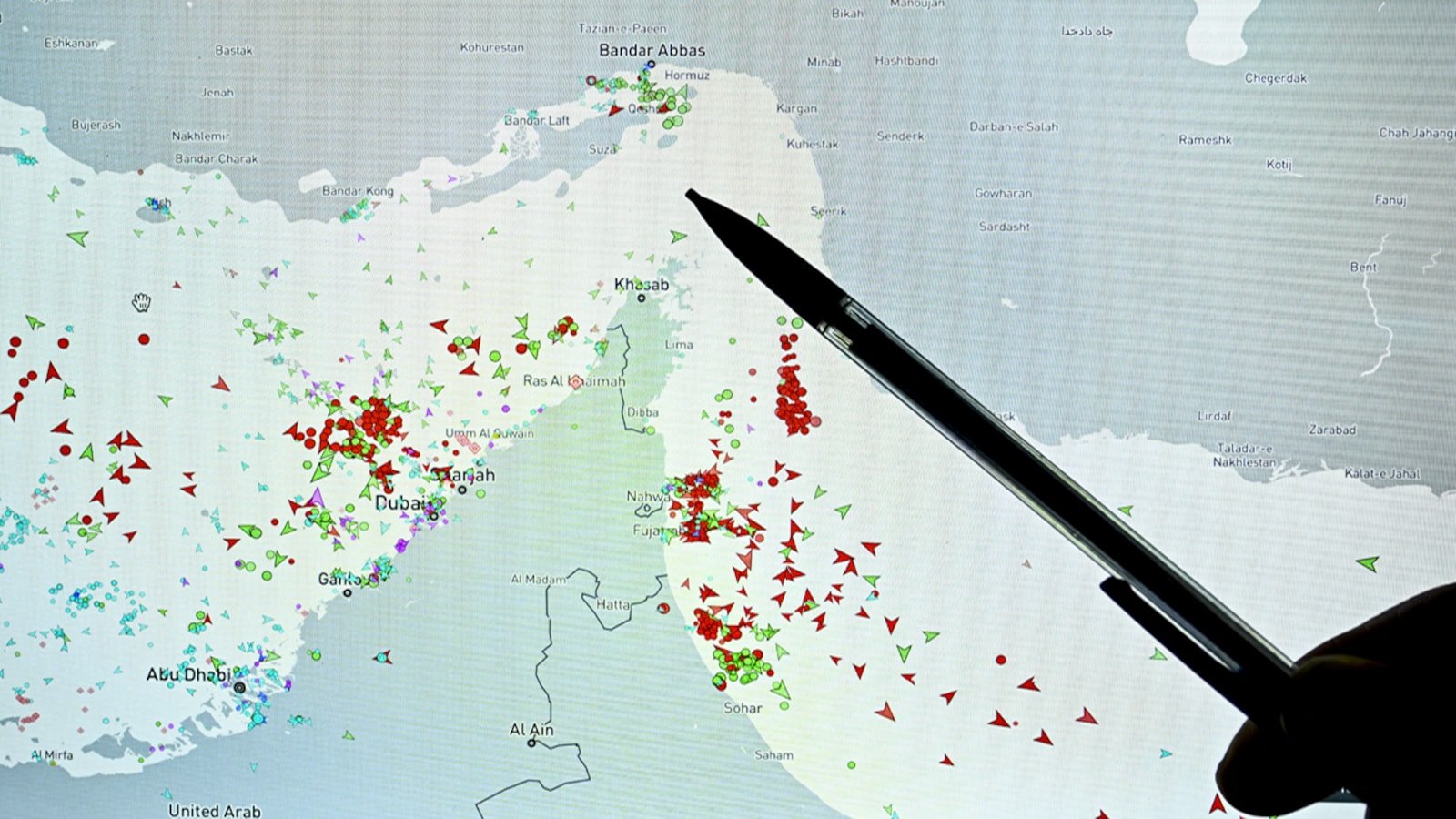
India has received diplomatic assurances regarding safe passage for ships through the Strait of Hormuz, a critical global oil route. The development matters for India because the country imports most of its crude oil through this corridor, directly influencing domestic fuel prices and energy security.
Why the Strait of Hormuz Matters for India’s Oil Supply
The Strait of Hormuz plays a central role in India’s energy imports. The narrow waterway between Iran and Oman is one of the most important global oil transit routes. Around one fifth of the world’s oil supply passes through it every day, according to international energy estimates.
For India, the importance is even greater. The country imports more than 80 percent of its crude oil needs, and a large portion of these shipments originate from Middle Eastern producers such as Saudi Arabia, Iraq, the United Arab Emirates and Kuwait. These cargoes typically pass through the Strait of Hormuz before heading toward Indian refineries.
When India receives assurances about safe passage through Hormuz, it means oil tankers carrying crude to Indian ports can move without disruption. This reduces the risk of supply shortages or sudden spikes in shipping insurance costs.
Recent Diplomatic Signals on Safe Passage Through Hormuz
The assurance on safe passage for ships through Hormuz comes amid periodic geopolitical tensions in the Gulf region. Whenever tensions rise between regional powers or military activity increases near the strait, global markets immediately react because of the potential threat to oil transport.
Indian officials have consistently maintained diplomatic engagement with countries in the Gulf region to ensure that trade routes remain secure. Reports indicating that ships will continue to pass safely through the strait are therefore significant for India’s economic stability.
Energy markets closely monitor these developments. Even the possibility of disruption in the Strait of Hormuz can push global crude prices higher within hours. Conversely, confirmation that shipping routes remain open often helps calm markets.
How Oil Supply Routes Influence Petrol and Diesel Prices
Fuel prices in India are closely tied to international crude oil prices. Oil marketing companies such as Indian Oil, Bharat Petroleum and Hindustan Petroleum purchase crude from global markets and refine it domestically.
If shipments through Hormuz face disruption, oil supply tightens and crude prices rise. Higher crude prices eventually translate into increased petrol and diesel costs unless governments intervene through tax adjustments.
Safe passage for tankers therefore helps maintain stability in supply chains. Stable supply usually keeps international crude prices within predictable ranges. That reduces the pressure on domestic fuel prices.
India also maintains strategic petroleum reserves to cushion against temporary supply disruptions. However, uninterrupted shipping routes remain the most effective way to maintain steady fuel pricing.
Impact on India’s Economy and Inflation
Energy costs influence nearly every sector of the economy. When crude oil prices rise sharply, transportation costs increase, manufacturing expenses rise, and inflation can accelerate.
India’s retail fuel prices have historically shown sensitivity to global oil movements. Higher petrol and diesel prices increase logistics costs for goods transported across the country. That can raise prices for everyday commodities including food and consumer products.
Assurances about secure shipping through Hormuz therefore help reduce the risk of sudden inflation spikes. Stable oil supply supports economic planning for industries ranging from aviation to agriculture.
For policymakers, maintaining diplomatic ties with energy producing countries remains essential to protect India’s long term energy security.
India’s Strategy to Reduce Dependence on Risky Oil Routes
Although the Strait of Hormuz remains critical, India is gradually diversifying its energy sourcing strategy. The government and oil companies have increased imports from countries outside the Gulf region, including the United States, Russia and parts of Africa.
Diversification reduces the risk of over dependence on a single maritime route. India has also expanded its strategic petroleum reserves to store crude oil for emergency situations.
At the same time, the country is investing in renewable energy sources such as solar power, wind energy and green hydrogen. Over time, these investments could reduce reliance on imported fossil fuels and make the economy less vulnerable to global oil supply disruptions.
However, in the near term, Gulf oil shipments through the Strait of Hormuz will continue to remain vital for India’s energy needs.
Takeaways
• The Strait of Hormuz is one of the world’s most important oil transit routes
• India imports most of its crude oil through this corridor from Middle Eastern producers
• Assurances of safe passage reduce the risk of global oil price spikes
• Stable oil supply helps keep petrol and diesel prices more predictable in India
FAQs
Why is the Strait of Hormuz important for India?
The strait is a key shipping route for crude oil exports from the Middle East. A large share of India’s oil imports passes through this narrow waterway before reaching Indian refineries.
Can tensions in the Hormuz region affect petrol prices in India?
Yes. If shipping through the strait is disrupted, global crude prices can rise quickly. Higher crude prices usually lead to higher petrol and diesel costs in India.
How does India protect itself from oil supply disruptions?
India uses several strategies including maintaining strategic petroleum reserves, diversifying crude suppliers, and investing in renewable energy sources.
Will India stop depending on oil imports in the future?
India is expanding renewable energy and alternative fuels, but oil imports are expected to remain important for transportation and industry in the near future.











Leave a comment