

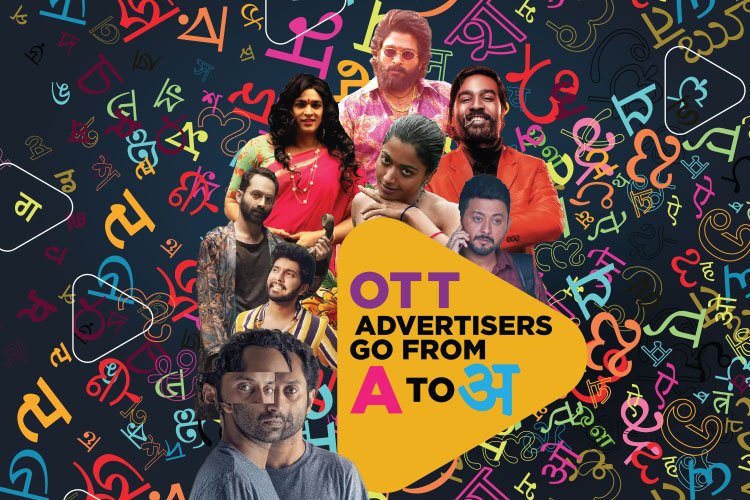
India’s OTT revolution is moving beyond metros. With over 65 percent of streaming viewership now emerging from Tier-2 and Tier-3 cities, regional audiences are reshaping what content gets produced, how it is distributed, and where the next big streaming hits are likely to come from.
Small-Town India Becomes the Heart of OTT Consumption
The OTT boom in India has entered a new phase where smaller cities are driving consumption growth. Data from leading platforms and industry trackers show that non-metro markets now account for the majority of new users. The combination of cheaper smartphones, lower data costs, and better 4G/5G penetration has democratized entertainment access. For platforms like Netflix, Amazon Prime Video, Disney+ Hotstar, and Zee5, the real expansion is no longer in Mumbai or Delhi but in places like Surat, Lucknow, Coimbatore, and Guwahati. These audiences are not just passive consumers—they are increasingly influencing what kinds of stories get told and in what language.
Regional Language Content Is the New Growth Engine
Hindi no longer dominates India’s OTT landscape. According to recent viewership data, regional language content—especially Tamil, Telugu, Bengali, and Malayalam—is driving more than half of total viewing hours across platforms. Smaller towns prefer relatable stories rooted in local culture and dialect. Platforms are responding with aggressive investment in regional originals. Zee5 has launched Telugu and Bengali exclusive series, while SonyLIV and Aha are expanding their vernacular portfolios. Even Netflix and Amazon have shifted strategies to produce hyperlocal content like Suzhal: The Vortex (Tamil) and Jubilee (Hindi-English hybrid with regional crossover). The focus is shifting from pan-India appeal to cultural authenticity.
What’s Fueling This Regional Viewership Surge
Several structural factors explain the dominance of smaller-town audiences. First, Tier-2 and Tier-3 cities have seen explosive smartphone adoption—India now has over 700 million smartphone users, with most new growth coming from non-metro areas. Second, the rollout of affordable broadband through BharatNet and JioFiber has expanded access. Third, regional creators and production houses have found new digital platforms for storytelling. Previously, their content was limited to TV or local cinema; now it reaches national and global audiences instantly. This ecosystem has encouraged regional actors, writers, and directors to experiment with digital-first storytelling.
Tier-2 India Dictates New Storytelling Trends
OTT platforms are tailoring content for smaller-town viewers who want authenticity rather than glamour. The new wave of Indian streaming content often revolves around local heroes, real-life struggles, and rural or semi-urban settings. Shows like Panchayat (Amazon Prime), Garmi (SonyLIV), and Kota Factory (Netflix) have resonated deeply because they capture Tier-2 experiences realistically. Regional audiences respond better to relatable narratives about aspirations, social mobility, and identity. This preference has encouraged OTT executives to localize not just scripts but also subtitles, marketing campaigns, and even pricing models.
Local Language Originals and Economic Potential
The economic implications are significant. Regional language content production is projected to grow at 25 percent annually through 2026, outpacing Hindi and English segments. OTT platforms are signing multi-year deals with regional studios to secure exclusive content pipelines. Tamil, Telugu, Bengali, and Marathi web series are now generating subscription spikes that rival metro-focused shows. Moreover, advertising models are shifting to match this demographic change. Brands are investing in regional ad spots and influencer collaborations, creating a feedback loop that strengthens the digital economy in smaller cities.
The Race for Regional Dominance
Competition among OTT platforms for regional dominance is intensifying. Disney+ Hotstar leads in Hindi and Bengali markets, Sun NXT continues to dominate Tamil and Malayalam audiences, and newer entrants like Aha and Chaupal cater specifically to Telugu and Punjabi viewers. This fragmentation has also encouraged hyperlocal OTT platforms to emerge, serving niche regional audiences at lower subscription prices. For example, Hoichoi (Bengali) and Planet Marathi have shown how focused regional storytelling can create sustainable business models. As these regional platforms grow, major players are likely to partner or acquire them to consolidate market share.
Challenges in Scaling Regional Content Production
Despite rapid growth, regional OTT expansion faces several hurdles. Skilled talent, especially in writing and post-production, is still concentrated in Mumbai, Hyderabad, and Chennai. Smaller production houses often lack the budgets for high-quality technical execution. Distribution rights and piracy remain persistent challenges. However, OTT platforms are addressing these issues by setting up regional creator funds, local production hubs, and training programs. The next five years will likely see the professionalisation of regional digital filmmaking similar to what happened in Bollywood and Tollywood earlier.
The Future of OTT Lies Beyond Metros
The dominance of Tier-2 and Tier-3 audiences marks a permanent structural shift in India’s digital entertainment market. OTT platforms that adapt quickly—by offering affordable subscription models, vernacular content, and relatable storytelling—will secure long-term loyalty. Regional creators, too, will increasingly shape national narratives, giving India’s soft power a more diverse voice. In this decentralised entertainment economy, small towns are no longer secondary—they are setting the agenda for what India watches next.
Takeaways:
- Over 65 percent of OTT viewership now comes from Tier-2 and Tier-3 cities.
- Regional languages like Tamil, Telugu, Bengali, and Malayalam dominate new content demand.
- Platforms are investing heavily in local productions and regional partnerships.
- The OTT industry’s future growth depends on affordability, authenticity, and regional storytelling strength.
FAQs
Q: Why is OTT viewership growing faster in smaller towns?
A: Affordable internet, wider smartphone access, and relatable regional storytelling have made streaming platforms more accessible and appealing in Tier-2 and Tier-3 cities.
Q: Which OTT platforms are leading in regional content?
A: Disney+ Hotstar, Zee5, Sun NXT, and Aha are among the top platforms investing in vernacular originals, while Hoichoi and Planet Marathi dominate niche regional markets.
Q: How are regional creators benefiting from this boom?
A: Local filmmakers, writers, and actors now have direct access to national and global audiences through OTT, creating new career opportunities and regional studio growth.
Q: What challenges remain for regional OTT expansion?
A: Key challenges include talent shortages, limited budgets, piracy issues, and the need for better digital infrastructure in remote areas.












Leave a comment