

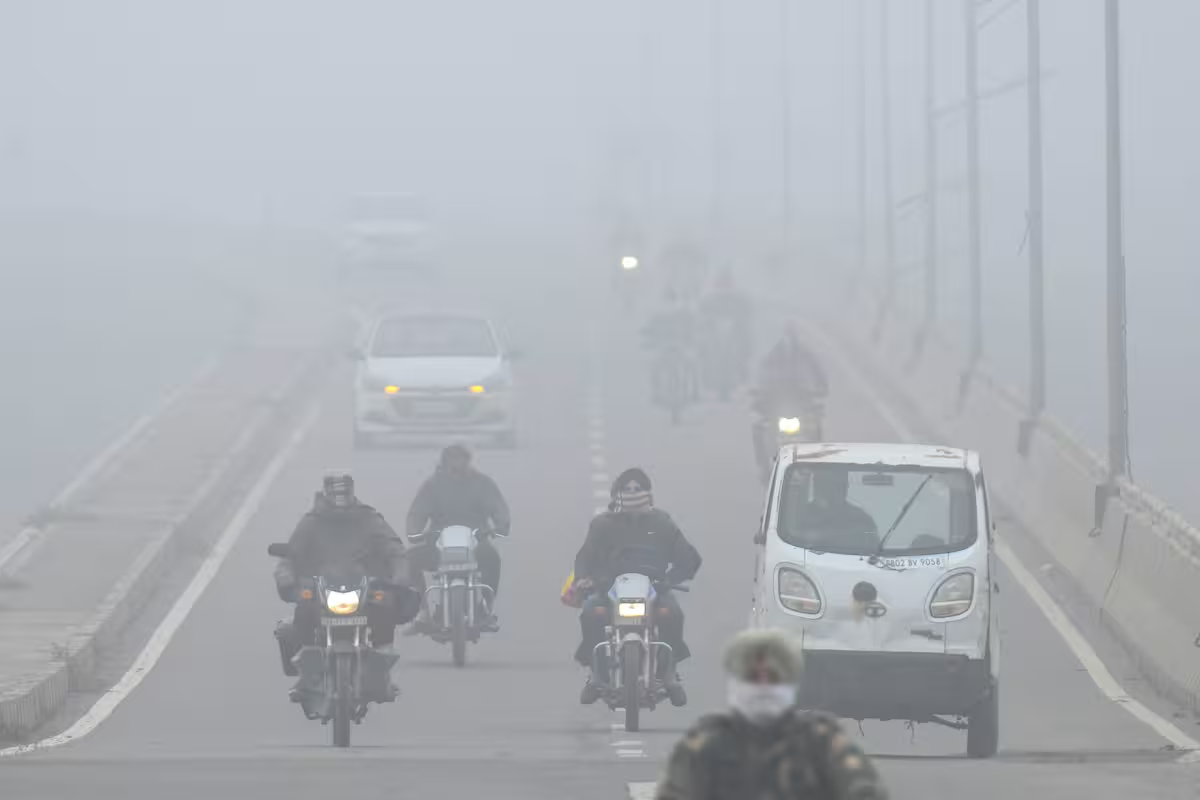
A sharp “cold-wave alert” is now in force across parts of eastern Rajasthan, Madhya Pradesh, Uttar Pradesh and Chhattisgarh as minimum temperatures plunge and icy dry winds sweep in. The warning signals immediate concerns for smaller urban centres and their residents.
What’s driving the cold-wave conditions
Meteorological data show that unusually cold northerly winds combined with falling night-time temperatures have triggered a cold-wave in the plains of eastern Rajasthan, central Madhya Pradesh, northern Chhattisgarh and select districts in Uttar Pradesh. These winds are flowing down from the Himalayas and adjoining hill regions, bringing sharp drops in temperature even as daytime highs remain moderate. Several cities in MP have already recorded early-morning readings well below seasonal norms.
Additional factors include a lack of cloud cover overnight, enhanced radiative cooling, and dry air masses suppressing the usual winter day-night temperature moderation. Under these conditions, a “cold wave” is declared when the minimum temperature falls 4 °C or more below the normal for two consecutive days and reaches or falls below specified thresholds.
Local-city ramifications: what smaller urban centres face
In Tier-2 and Tier-3 cities of the affected states, the impact is distinct. Residents in cities such as Indore and Ujjain (MP), Raipur and Bilaspur (Chhattisgarh), Kota or Bundi (eastern Rajasthan) and Faizabad or Gorakhpur (UP) are noticing early‐morning chill, heavier use of heating or warm clothing, and extended night-time cold. Infrastructure strain emerges: increased demand for power in the early hours, higher water‐pipe freezing risk in open systems, and larger numbers of people seeking medical aid for respiratory stress or cold-related illnesses. Schools in vulnerable zones may witness higher absenteeism due to cold or travel difficulties.
Business operators also feel the chill in secondary cities. For instance, early‐shift manufacturing or agro-processing units may reschedule start times because of colder pre-dawn conditions and worker discomfort. Local vendors of woollens, blankets and warm‐wear may see a sudden jump in demand. Public transport and transit services may be challenged by fog in these regions, adding to the cold-wave’s secondary effects.
Health, infrastructure and social-welfare implications
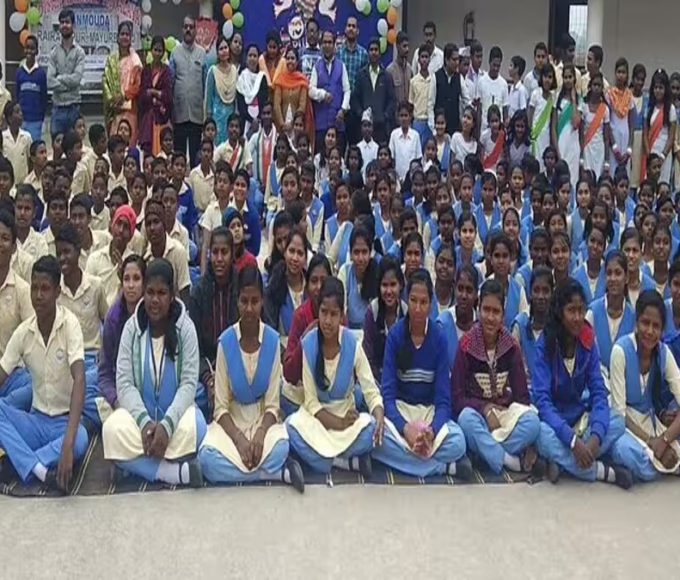
Cold waves affect public health directly. Vulnerable populations in smaller cities—elderly, children, outdoor workers—face increased risk of hypothermia, respiratory infections and complications. Local clinics and municipal health bodies must prepare for surges in cases. Schools in smaller towns may also need to adapt—ensuring classrooms are appropriately warmed and students protected.
Infrastructure wise, smaller cities often lack robust urban heating systems and insulation standards seen in metros. Road surfaces, open‐water reservoirs, exposed pipes and outdoor waiting zones become liability. Local governments should coordinate “cold response” actions: warming centres, early‐morning alerts, ensuring adequate electricity and heating supply, and special support for street-based workers or homeless populations.
Socially, residents who may not be used to severe winter chill must adjust behaviour: layering clothes, avoiding early‐morning outdoor travel when possible, and ensuring elderly family members are kept warm. Local employers may need to shift start‐times or provide on-site warm‐up zones.
Why this matters for eastern Rajasthan, UP and Chhattisgarh
These states are relatively unprepared compared to northern hill states. Eastern Rajasthan has fewer urban heating protocols, and many smaller towns rely on informal labour and open water systems. Chhattisgarh’s plains typically experience mild winters but the sudden cold shift strains supply chains and agriculture (cold affecting crops, early‐morning irrigation delays). Uttar Pradesh’s smaller cities face visibility and transport issues due to combined cold and fog, which impairs morning commutes and logistics.
For local administrations, the window of approximately three to five days of higher risk offers a chance to act. Pre‐emptive alerts, adjusting street lighting & heating schedules, restricting outdoor assembly early in the morning, and mobilising relief for vulnerable groups will ease the impact.
Outlook and preparation for the next days
Meteorological forecasts indicate that the cold‐wave condition will persist in many of these areas for roughly three to five days, possibly until mid‐November. After that, a gradual warming trend may set in as cloud cover increases or wind patterns shift. Local residents should treat this as an early‐winter shock rather than a full winter pattern. But the timing matters because many urban residents in these cities are still transitioning from warmer seasons and may not have fully adapted their homes or routines.
City authorities should keep monitoring minimum‐temperature drops, issue timely public advisories (especially for early commuters, school children and outdoor workers), ensure hospitals are alert and ready, vendors of warm gear are supplied, and transport systems account for possible fog and delays.
Takeaways
- Cold-wave conditions are impacting smaller urban centres in eastern Rajasthan, MP, UP and Chhattisgarh.
- Night‐time temperatures falling rapidly place stress on health, infrastructure and local economies.
- Tier-2/3 city administrations must act fast: alerts, warming centres and support for vulnerable groups.
- Residents and businesses in these cities should adapt quickly: warm clothing, adjust timings, anticipate transport disruptions.
FAQs
What qualifies as a cold-wave in these regions?
A cold-wave is typically declared when minimum temperatures fall significantly (4 °C or more) below normal for two or more days and reach or fall below defined thresholds for that region.
Which cities in eastern Rajasthan, MP, UP and Chhattisgarh are most affected?
Smaller urban centres and district towns such as Indore, Ujjain, Bilaspur, Raipur, Bundi, Kota and Gorakhpur are experiencing the sharpest drops in temperature and first‐impact effects.
What should residents in these cities do now?
They should keep warm clothing ready, avoid early-morning outdoor exposure, ensure heating or warm zones at home, check on elderly/children, and monitor local advisories.
How long is this cold-wave likely to last?
Forecasts suggest a period of three to five days of heightened cold‐wave risk in these regions, after which temperatures may begin to moderate gradually.








Leave a comment