

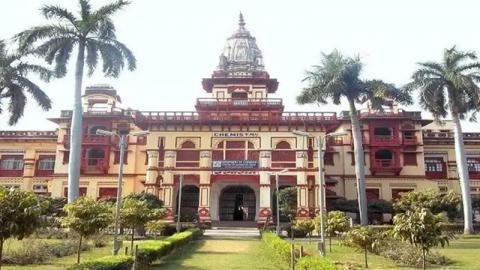
The post grant push at IIT BHU is strengthening regional startup hubs and creating fresh momentum for innovation out of smaller cities like Varanasi. With funding, incubation support and advanced research facilities expanding, Tier 2 founders now have the tools to build competitive technology ventures without relocating to metros.
Short summary paragraph
IIT BHU’s recent grants are boosting regional entrepreneurship by improving infrastructure, research access and startup support in Varanasi. This shift positions smaller cities as credible innovation hubs and opens new opportunities for students, founders and early stage companies outside major metros.
Why the IIT BHU grant matters for regional innovation
IIT BHU’s new funding support aims to strengthen its incubation ecosystem, accelerate research commercialization and create a funnel for early stage startups emerging from eastern Uttar Pradesh. Smaller cities often struggle to build tech ecosystems due to limited investment, fewer mentors and weaker research linkages. This grant directly addresses those gaps by empowering local entrepreneurs with capital, labs and structured incubation.
The institution’s strategic location also matters. Varanasi sits at the intersection of cultural, commercial and logistics corridors and has a large young population. Many aspiring founders in the region previously felt compelled to move to Delhi or Bengaluru for opportunities. The enhanced ecosystem gives them a reason to build locally.
The grant also signals to industry partners and investors that Varanasi is becoming a serious innovation zone. This improves visibility and credibility for startups that typically find it harder to attract early trust from investors.
Boost to incubation capacity and early stage startup formation
With expanded funding, IIT BHU’s incubation center can support more startups with prototype development, lab access, testing facilities and mentorship. Early stage founders benefit from structured guidance on product design, regulatory compliance, market validation and investor readiness. This reduces early failure risk and accelerates product timelines.
Startup formation is expected to grow in areas such as robotics, deep tech, clean energy, health diagnostics and software tools because the institute already has research talent in these domains. Engineering students can now transition directly from academic projects to commercial ventures without losing momentum. This continuity is essential for innovation in smaller cities where industrial R&D ecosystems are still developing.
The grant also strengthens interdisciplinary collaboration between engineering, sciences and applied research, helping founders build more robust ideas tailored to real world needs.
Opportunities for local youth and regional talent
One of the biggest beneficiaries of the ecosystem boost is local youth in and around Varanasi. Students from nearby colleges and technical institutes often lack direct exposure to high quality labs or startup guidance. IIT BHU’s expanded support can enable joint hackathons, skill workshops and campus connect programs that help them build employable skills.
The presence of a strong incubation center creates new job opportunities in product design, software development, marketing, data analysis and operations. For many young graduates who prefer remaining close to home, this opens pathways to work in high growth tech companies without migrating.
Skilled professionals who earlier left the region might consider returning if startup opportunities and funded research positions grow. This reverse migration effect could create a stable pipeline of experienced talent and enhance the entrepreneurial density of Varanasi.
Impact on small business digitisation and local industry collaboration
The IIT BHU grant does not only help tech startups. It also encourages collaboration with local industries in textiles, manufacturing, energy equipment and handicrafts. Small businesses in Varanasi depend heavily on traditional processes and often lack access to digital tools. The institution can help these firms adopt automation, digitised workflows, data management systems and modern design practices.
Local enterprises could partner with student teams for affordable prototyping, IoT device integration or materials research. This opens new innovation pathways for industries that are deeply rooted in regional identity, such as Banarasi textile units. Smart loom systems, digital marketplaces and precision dyeing tools could emerge from such collaborations.
The expansion of startup activity also enhances local demand for professional services such as accounting, branding, software development, legal advisory and logistics services. This widens economic gains beyond the campus environment.
Why Varanasi could rise as a regional startup hub
Varanasi has several structural advantages that support long term innovation. Its connectivity through air, rail and regional transport networks enables product movement and collaboration. The city attracts millions of domestic and international visitors, offering exposure for consumer goods, tourism tech and cultural products.
The academic strength of IIT BHU combined with emerging private institutions creates a vibrant talent pool. Lower operational costs compared to metros allow early stage startups to stretch their funding further. As investors and corporates take interest in the region, networking opportunities and mentorship pipelines are likely to expand.
Government schemes supporting MSMEs, tech adoption and startup seed funding offer additional incentives. When combined with IIT BHU’s research infrastructure, Varanasi is well positioned to become a powerful innovation cluster in northern India.
Long term outlook for regional entrepreneurship
The post grant push indicates a national shift toward distributed innovation. As smaller cities build credible startup ecosystems, India’s overall tech landscape becomes more inclusive. Founders no longer need to migrate, investors discover new markets and institutions become engines of economic transformation.
If the momentum sustains, Varanasi could emerge as a benchmark model for how Tier 2 cities leverage academic institutions to drive innovation. The long term effect will be stronger job creation, higher research output and more globally competitive startups from non metro regions.
Takeaways
IIT BHU’s grant boosts the innovation capacity of Varanasi and surrounding regions.
Startups gain better access to labs, incubation support and early funding.
Local youth see new career paths in tech without leaving their hometowns.
Regional industries benefit from collaborations and improved digitisation.
FAQs
Why is the IIT BHU grant important for regional startups
Because it strengthens incubation resources, research facilities and mentorship, making it easier for early stage startups to build from smaller cities.
Will this benefit only students of IIT BHU
No. Local entrepreneurs, nearby college students and small businesses can also access workshops, programs and collaborative projects.
Can Varanasi become a major startup hub
Yes. With funding, talent and research infrastructure expanding, Varanasi has the potential to become a significant innovation center for northern India.
How will this impact the local economy
It will create jobs, support small businesses, attract investment and promote technology adoption across various sectors.











Leave a comment