

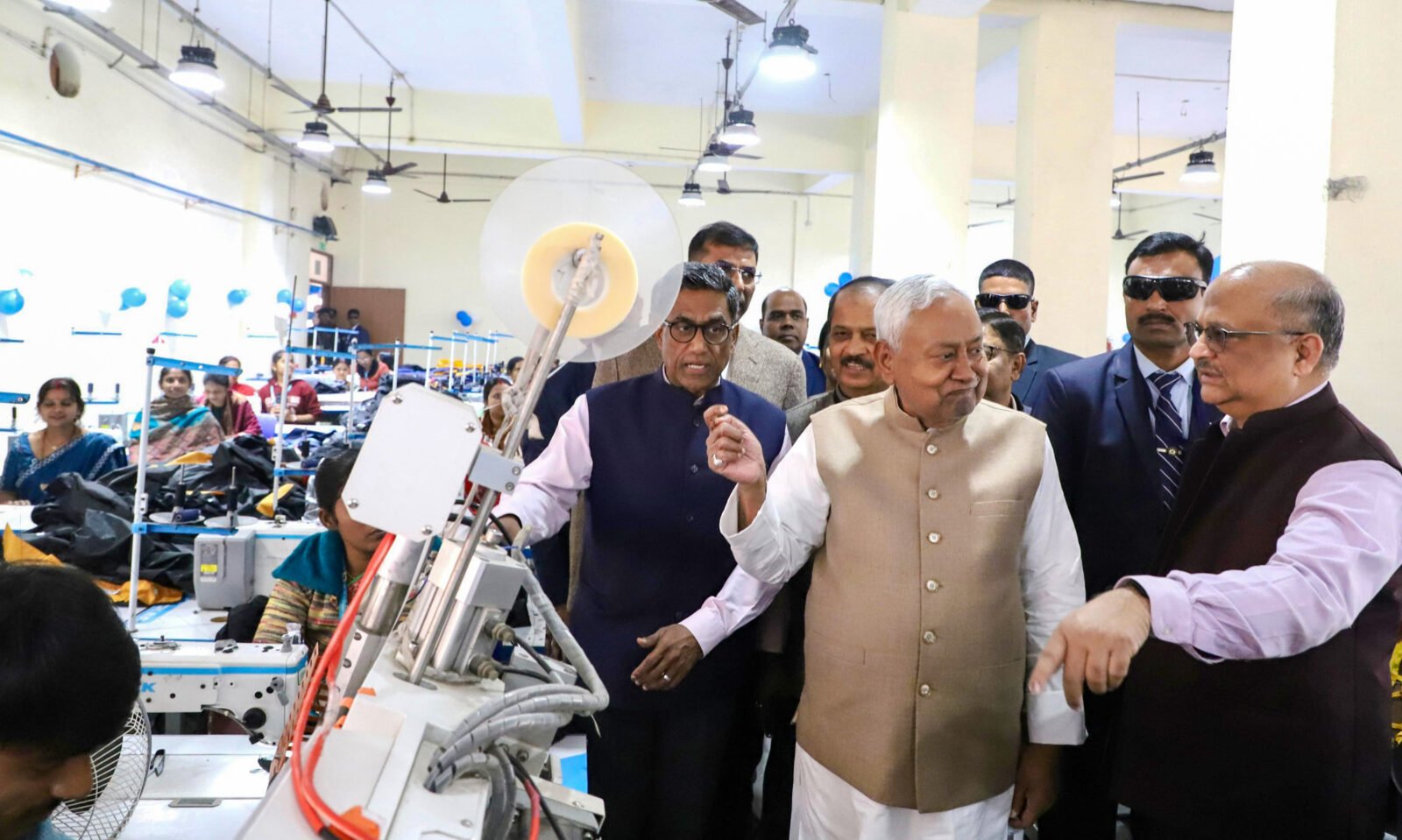
Bihar’s New Age Economy plan aims to create 1 crore jobs by 2030. The proposal targets digital services, manufacturing, agri processing and skill based sectors that can expand in small towns. The central question is whether this ambitious target can realistically revive local economies that have struggled with migration and low formal employment.
How the New Age Economy framework expands job potential
The New Age Economy plan focuses on sectors that can scale without heavy infrastructure. These include IT support services, logistics, food processing, renewable energy assembly, textile units and digital skilling hubs. Bihar has already seen early traction in small startup clusters around Patna, Bhagalpur, Gaya and smaller towns like Muzaffarpur and Darbhanga. State officials project that a mix of micro enterprises and mid sized industries can generate large employment numbers if supported by consistent policy.
A significant part of the plan is to increase district level economic activity instead of concentrating all investment in Patna. Small towns have lower operating costs and easy access to labour, which makes them suitable for light manufacturing, BPO operations and agri linked processing. If these segments grow steadily, they can absorb both skilled and semi skilled workers who currently migrate to metros for low wage jobs.
Why small town economies need targeted growth models
Secondary keywords such as local industries, small town employment and value addition are becoming central talking points within the Bihar development narrative. For decades, most small towns in the state functioned as administrative hubs rather than economic centres. Limited industrial presence meant youth often left for work in other states, creating a chronic cycle of outmigration and weak local demand.
The New Age Economy shift recognises that employment is not only about creating new factories. It is also about modernising traditional sectors. For example, Bihar already produces large quantities of fruits, vegetables, grains and handloom products. However, low value addition has kept incomes stagnant. Cold chains, modern warehouses, packaging units and digital marketplaces can significantly increase earnings for small producers.
By placing processing units closer to production areas, the state can reduce wastage and create new jobs in quality control, inventory management and distribution. These roles do not require advanced degrees but need skill training, which is part of the state’s parallel skilling roadmap.
Digital and skill based sectors can reshape the job landscape
Digital services are another focus area for job creation. The government is pushing for district level skill centres, coding schools, online service kiosks and training in fields like drone operation, solar panel installation and data entry. These segments may seem small individually but can cumulatively create lakhs of jobs across the state.
BPO companies have started exploring tier 3 cities because of lower operating costs and improving internet connectivity. If Bihar can ensure power stability, better roads and reliable bandwidth, these firms may expand into smaller towns. This would provide employment for graduates who otherwise move to Delhi NCR or Bengaluru for entry level roles.
In addition to digital roles, renewable energy projects are opening new opportunities. Solar panel assembly, inverter repair training and energy technicians are becoming part of the employment mix. These are practical skill based jobs that align with the national clean energy transition. The government’s target for rural electrification and rooftop solar adoption gives this sector long term stability.
What obstacles may slow down the 1 crore job target
The job target is technically achievable if the state maintains yearly growth in micro enterprises and mid sized industries. However, several challenges remain. Bihar needs stronger industrial infrastructure. Many small towns still lack stable electricity and efficient logistics. Without reliable transport networks, industries cannot manage supply chains smoothly.
Access to credit for small businesses is another bottleneck. Many rural entrepreneurs struggle to secure timely funding. Strengthening district industries centres and improving coordination between banks and local entrepreneurs will be essential.
Quality of skill training also needs improvement. Creating training centres alone does not guarantee employability. Courses must reflect industry demand. For example, food processing units need technicians who understand hygiene standards and machine operations, not just theoretical classes. Similarly, digital training must include practical projects that help youth gain confidence.
Retention of industries is another concern. Investors must see predictable policies, low compliance friction and fast grievance resolution. Bihar has made progress in online clearances, but field level execution remains inconsistent in some districts.
What revival could look like if the plan succeeds
If executed well, the New Age Economy plan can reverse migration patterns over the next decade. Small towns will see more shops, service centres, coaching institutes, warehouses and manufacturing clusters. Families will have better access to jobs within their districts, increasing disposable income and local spending.
Growth in small town economies also means a stronger base for future industries. Once consumer demand rises, retail, healthcare, education and housing sectors expand automatically. This creates a reinforcing cycle that can lift entire districts.
The plan’s success depends on sustained investment, consistent monitoring and collaboration between government, private players and local communities. If these elements align, Bihar can transform its employment landscape by 2030.
Takeaways
New Age Economy sectors can enable scalable job creation in Bihar.
Small towns need better infrastructure, credit access and skilled labour.
Digital services and agri processing can generate stable local employment.
Consistent policies and strong execution will decide if the 1 crore job goal is met.
FAQs
Is the 1 crore job target realistic for Bihar by 2030?
It is achievable if industrial, digital and agri based sectors expand together and yearly targets are maintained without major execution gaps.
Which sectors will create the most jobs in small towns?
Agri processing, logistics, textiles, digital services, renewable energy and micro manufacturing units offer the largest potential.
Can small town infrastructure support industries today?
Some towns are ready, but many still need better electricity, roads and digital connectivity. Upgrades are in progress but must accelerate.
Will this plan reduce migration from Bihar?
If stable local jobs emerge across districts, migration levels can decline gradually over the next decade.










Leave a comment