

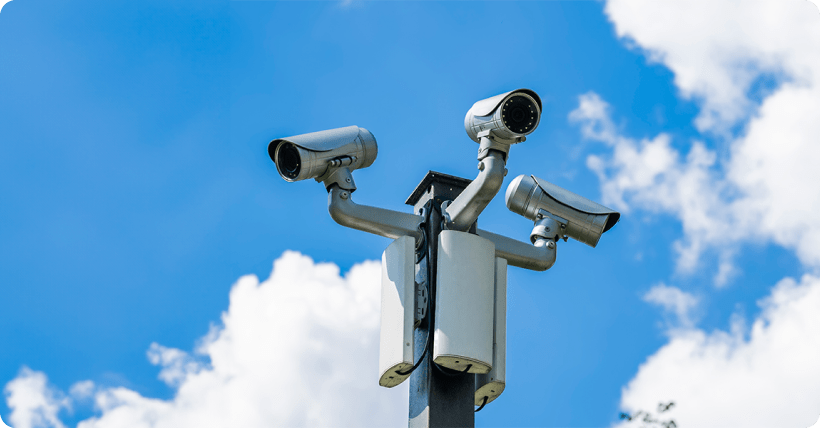
The rise of smart surveillance in Tier-2 cities is reshaping urban security in India, but it is also raising concerns about privacy and data protection. As cities deploy AI-powered cameras and monitoring systems, the balance between safety and individual rights is under scrutiny.
Rise of Smart Surveillance in Tier-2 Cities Explained
The rise of smart surveillance in Tier-2 cities is a time-relevant governance and technology trend linked to ongoing smart city projects and urban security upgrades. Municipal authorities are installing CCTV networks, facial recognition tools, and integrated command centres to monitor public spaces.
These systems are designed to improve law enforcement efficiency, manage traffic, and respond quickly to emergencies. Smaller cities such as Indore, Nagpur, Surat, and Lucknow are adopting these technologies to modernise infrastructure.
Unlike earlier surveillance setups, smart systems use data analytics and real-time monitoring. This allows authorities to identify incidents faster and coordinate responses more effectively.
The expansion of such systems marks a significant shift in how urban safety is managed.
How Smart Surveillance Systems Work
Smart surveillance systems in India combine hardware and software to monitor and analyse activity. High-definition cameras capture footage, while AI algorithms process data to detect patterns or anomalies.
Integrated command centres act as control hubs where data from multiple sources is analysed. These centres can track traffic flow, identify suspicious behavior, and monitor crowd movement.
Some systems also use facial recognition and automatic number plate recognition technologies. These tools help identify individuals or vehicles involved in incidents.
The use of real-time data enables quicker decision-making and response by authorities.
Safety Benefits Driving Adoption in Smaller Cities
The adoption of surveillance technology in Tier-2 cities is largely driven by safety concerns. Increasing urbanisation and population growth have created new challenges for law enforcement.
Smart surveillance can help reduce crime by acting as a deterrent. Visible cameras and monitoring systems discourage unlawful activities.
Traffic management is another benefit. Authorities can monitor congestion, detect violations, and improve road safety. Emergency response times can also be reduced through better coordination.
For smaller cities with limited manpower, technology provides a way to enhance efficiency without significantly increasing resources.
Privacy Concerns and Data Protection Issues
The safety vs privacy debate is central to the rise of smart surveillance. While these systems improve security, they also raise questions about how data is collected, stored, and used.
Continuous monitoring can lead to concerns about mass surveillance and loss of personal privacy. Citizens may not always be aware of how their data is being handled.
Data breaches and misuse of information are additional risks. Without strong safeguards, sensitive data could be accessed or exploited.
Legal frameworks around data protection in India are evolving, but implementation and enforcement remain critical. Clear guidelines are needed to ensure that surveillance systems are used responsibly.
Public Perception and Awareness in Tier-2 Cities
Public perception of surveillance varies across regions. In many Tier-2 cities, residents view these systems as a positive step toward improved safety.
Awareness about privacy implications is still developing. While some individuals raise concerns about data usage, others prioritise security benefits.
Community engagement and transparency can influence public acceptance. Authorities need to communicate clearly about how systems operate and what safeguards are in place.
Building trust is essential for the long-term success of surveillance initiatives.
Role of Government Policies and Regulations
Government policies play a key role in shaping the use of smart surveillance. National and state-level initiatives under smart city programs provide funding and guidelines for implementation.
Regulatory frameworks are needed to address privacy concerns. Policies should define how data is collected, stored, and shared, as well as the rights of citizens.
Independent oversight mechanisms can help ensure accountability. Regular audits and transparency reports can build confidence in the system.
Balancing security and privacy requires a structured approach supported by clear regulations.
Technology Challenges and Implementation Gaps
Implementing smart surveillance in smaller cities comes with technical challenges. Infrastructure limitations, such as inconsistent power supply and network connectivity, can affect system performance.
Maintenance and upgrades require ongoing investment. Without proper support, systems may become outdated or less effective over time.
Skill gaps among local authorities can also impact operations. Training is necessary to ensure that personnel can manage and interpret data effectively.
Addressing these challenges is important to maximise the benefits of surveillance technology.
Future Outlook: Finding the Right Balance
The future of smart surveillance in Tier-2 cities will depend on how well authorities balance safety and privacy. As technology continues to evolve, systems are likely to become more advanced and widespread.
Public awareness and participation will play a crucial role in shaping policies. Citizens are likely to demand greater transparency and accountability.
Innovations such as privacy-preserving technologies and data anonymisation may help address concerns. These solutions can enable effective surveillance while protecting individual rights.
The goal is to create safer cities without compromising fundamental freedoms.
Takeaways
- Smart surveillance is expanding rapidly in Tier-2 cities to improve safety
- AI-powered systems enable real-time monitoring and faster response
- Privacy and data protection concerns are central to the debate
- Effective regulation and public awareness are essential for balanced implementation
FAQs
What is smart surveillance?
It involves using advanced technologies like AI and cameras to monitor and manage public spaces.
Why are Tier-2 cities adopting these systems?
To improve safety, manage traffic, and enhance urban infrastructure efficiently.
What are the privacy concerns?
Continuous monitoring and data collection raise issues related to personal privacy and data security.
How can the balance between safety and privacy be maintained?
Through clear regulations, transparency, and responsible use of technology.











Leave a comment