

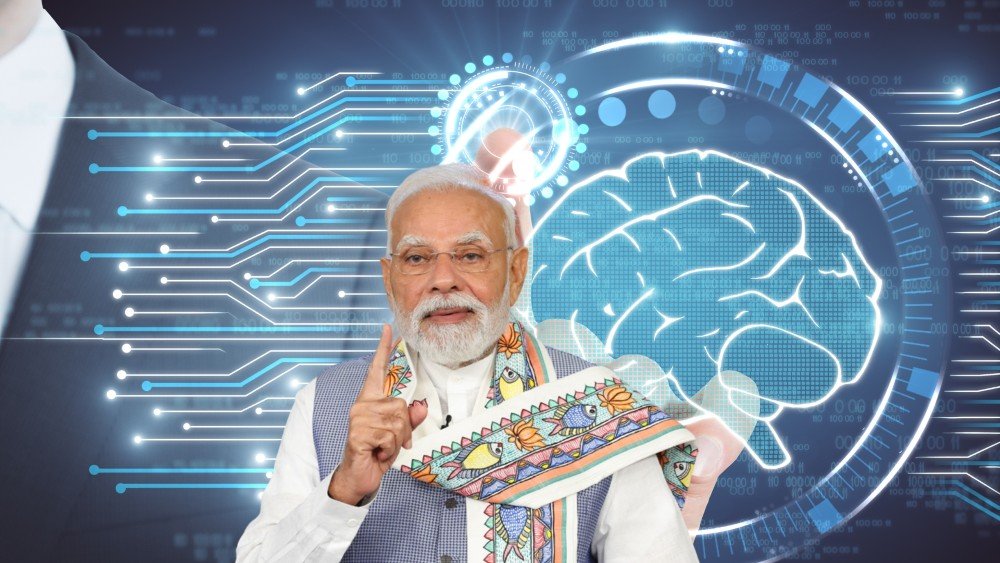
The Centre’s counter-intelligence push has gained momentum amid evolving security threats across India. The move aims to improve coordination between agencies, prevent espionage activities, and strengthen internal security mechanisms at both national and state levels.
Counter-Intelligence Push by Centre: A Strategic Shift
The counter-intelligence push by Centre is a time-sensitive development linked to ongoing national security concerns. In recent years, intelligence agencies have flagged increased risks related to espionage, cyber infiltration, and information leaks.
To address these threats, the central government has been working on strengthening intelligence-sharing frameworks and enhancing surveillance capabilities. This includes closer coordination between central agencies and state police units.
Counter-intelligence focuses on identifying and neutralizing threats before they materialize. It involves monitoring suspicious activities, tracking potential foreign influence, and protecting sensitive information related to defense, infrastructure, and governance.
This renewed push reflects a proactive approach to internal security, especially in a rapidly digitizing environment.
Role of Central Agencies and State Coordination
Internal security in India is a shared responsibility between central agencies and state governments. Organizations such as the Intelligence Bureau and the Research and Analysis Wing play a key role in gathering and analyzing intelligence.
However, effective implementation depends on coordination with state police forces and local intelligence units. The Centre’s current approach emphasizes real-time information sharing and joint operations.
States are being encouraged to strengthen their own intelligence wings and improve training for personnel handling sensitive information. This includes better use of technology, data analytics, and cyber monitoring tools.
Improved coordination can help detect threats at an early stage, reducing the risk of large-scale security incidents.
Emerging Threats: Espionage, Cyber Risks, and Data Security
The nature of security threats has evolved significantly. Traditional espionage activities are now combined with cyber threats, making counter-intelligence more complex.
Cyber espionage involves attempts to access sensitive data through hacking, phishing, or malware attacks. Critical sectors such as defense, telecommunications, and energy infrastructure are potential targets.
There have also been concerns about insider threats, where individuals with access to sensitive information may unintentionally or deliberately compromise security. This has led to increased focus on background verification and monitoring.
The counter-intelligence push aims to address these challenges by integrating digital security measures with traditional intelligence practices.
Impact on States and Local Enforcement Agencies
For state governments, the Centre’s counter-intelligence initiative means increased responsibility in maintaining vigilance. State police forces are expected to enhance their intelligence-gathering capabilities and respond more effectively to alerts.
Training programs are being expanded to equip officers with skills in cyber forensics, data analysis, and surveillance techniques. This is particularly important as many states are still developing expertise in handling digital threats.
Local enforcement agencies also play a role in identifying suspicious activities at the ground level. Community-level intelligence can often provide early warning signs that may not be visible through technological surveillance alone.
The success of this initiative will depend on how well states integrate these measures into their existing systems.
Legal Framework and Privacy Considerations
Strengthening counter-intelligence capabilities also raises questions about privacy and civil liberties. Surveillance and data monitoring must operate within the framework of existing laws to ensure that individual rights are protected.
India has legal provisions that govern interception and monitoring of communications, but there is ongoing debate about the balance between security and privacy.
Transparency, accountability, and clear guidelines are essential to maintain public trust. Any expansion of surveillance powers needs to be accompanied by safeguards to prevent misuse.
This aspect is particularly important as technology enables more extensive data collection and analysis.
Long-Term Implications for Internal Security
The Centre’s counter-intelligence push is expected to have long-term implications for India’s internal security landscape. A more integrated and technology-driven approach can improve the country’s ability to respond to emerging threats.
Strengthening intelligence networks can also support other areas of governance, including border security, counter-terrorism, and protection of critical infrastructure.
However, sustained investment in training, technology, and coordination will be required. One-time measures are unlikely to be effective in addressing evolving challenges.
The focus will need to remain on adaptability, as threats continue to change in scale and complexity.
Takeaways
- The Centre is strengthening counter-intelligence measures to address evolving security threats
- Coordination between central agencies and state governments is a key focus area
- Cyber threats and data security risks are major concerns in modern intelligence operations
- Balancing security with privacy remains an important consideration
FAQs
What is counter-intelligence?
Counter-intelligence involves activities aimed at detecting and preventing espionage, sabotage, and other threats to national security.
Why is the Centre focusing on counter-intelligence now?
The rise in cyber threats, espionage risks, and data breaches has made stronger intelligence systems necessary.
How does this affect state governments?
States are expected to improve their intelligence capabilities and work closely with central agencies for better coordination.
Are there concerns about privacy in this initiative?
Yes, increased surveillance raises privacy concerns, which need to be addressed through legal safeguards and accountability.












Leave a comment