

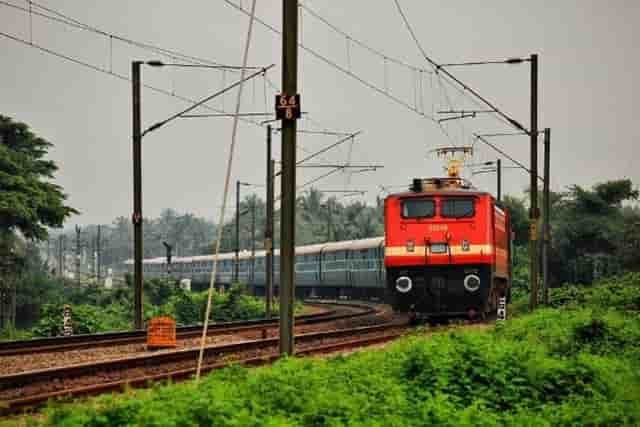
Railways near 100 percent electrification marks a major shift in India’s transport infrastructure, with far reaching implications for Tier 2 hubs. As the network transitions away from diesel traction, connectivity, reliability, and economic integration of non metro cities are set to improve significantly.
This topic is time sensitive but has long term structural impact, so the tone balances news reporting with explanatory depth.
What near complete railway electrification means for India
Railways near 100 percent electrification means that almost the entire broad gauge network is now powered by electric traction rather than diesel locomotives. This transition has been driven by cost efficiency, energy security, and environmental considerations. Electric trains accelerate faster, require less maintenance, and reduce dependence on imported fuel. For passengers and freight users, electrification improves punctuality and allows higher average speeds. While metros have already benefited from modern rail upgrades, the biggest gains are now expected in Tier 2 cities that form the backbone of regional rail movement.
Faster trains and reduced travel time for Tier 2 hubs
One of the most direct benefits of railway electrification is faster and more consistent train movement. Tier 2 hubs such as Nagpur, Bhopal, Vijayawada, Surat, Coimbatore, and Gaya sit on critical junctions connecting multiple regions. Electric locomotives eliminate time lost during engine changes between electrified and non electrified sections. This improves end to end journey times for long distance trains and reduces delays for passengers traveling between mid sized cities. For daily commuters and intercity travelers, this translates into more predictable schedules and shorter journeys.
Improved connectivity for freight and regional industries
Railways near full electrification also transform freight movement through Tier 2 industrial clusters. Cities with manufacturing, mining, agricultural processing, and logistics hubs depend heavily on rail for bulk transport. Electric freight trains offer higher hauling capacity and lower operating costs, which benefits industries located away from major ports or metros. Tier 2 hubs that serve as aggregation points for regional produce gain better access to national markets. Improved freight reliability strengthens supply chains and makes smaller cities more attractive for industrial investment.
Better integration with national rail corridors
Electrification allows seamless integration of Tier 2 hubs into national rail corridors such as high density routes and dedicated freight corridors. When trains run under a unified electric network, scheduling becomes more flexible and efficient. Tier 2 stations located along these corridors benefit from increased train frequency and improved service quality. This integration reduces the isolation of smaller cities and places them firmly within national mobility and logistics planning. Over time, this strengthens their role as regional connectors rather than transit bottlenecks.
Environmental and cost benefits for non metro regions
Railways near 100 percent electrification deliver environmental benefits that are particularly relevant for Tier 2 cities struggling with pollution and congestion. Electric trains produce no local emissions, reducing air pollution around stations and rail yards. Lower fuel costs also improve the financial health of railway operations, enabling reinvestment into station upgrades and passenger amenities in smaller cities. For state governments and local bodies, cleaner rail transport supports broader sustainability goals without compromising mobility needs.
Impact on passenger experience and service reliability
Electrification improves service reliability, which is critical for passengers in Tier 2 hubs who often rely on rail as the primary mode of long distance travel. Electric locomotives have fewer mechanical failures compared to diesel engines. This reduces breakdown related delays that disproportionately affect non metro routes. Improved acceleration and braking also enhance safety and allow better time management in dense rail sections. Over time, passengers in Tier 2 cities can expect more consistent arrival times and better coordination with connecting services.
Station development and urban connectivity gains
As railways near full electrification, station redevelopment efforts are increasingly focused on Tier 2 hubs. Reliable electric operations justify investment in better platforms, signaling systems, and passenger facilities. Improved stations enhance last mile connectivity through integration with buses, autos, and local transit. Tier 2 cities benefit from stations becoming transport anchors rather than overcrowded transit points. This supports urban development and improves the daily travel experience for residents.
Economic and employment effects in Tier 2 regions
Improved rail connectivity has direct economic spillover effects. Faster and more reliable trains encourage business travel, tourism, and labor mobility. Tier 2 hubs become more viable locations for offices, educational institutions, and service industries when connectivity improves. Rail electrification also creates indirect employment through maintenance, operations, and allied infrastructure projects. Over time, this supports balanced regional growth rather than concentration in metros alone.
Challenges that still need to be addressed
Despite railways near 100 percent electrification, challenges remain. Last mile connectivity to stations, aging passenger coaches, and capacity constraints on busy routes still affect service quality. Electrification alone does not solve congestion without parallel investment in signaling upgrades and additional tracks. Tier 2 hubs must also ensure that station area planning keeps pace with rising passenger volumes. Addressing these gaps will determine how fully electrification benefits are realized on the ground.
Long term outlook for Tier 2 rail connectivity
The move toward complete electrification is a foundation rather than an endpoint. For Tier 2 hubs, it creates the conditions needed for faster trains, better freight access, and stronger integration into national networks. Combined with future investments in rolling stock, digital signaling, and station modernization, electrification positions Tier 2 cities as critical nodes in India’s mobility and economic landscape.
Takeaways
Railways near 100 percent electrification improve speed and reliability for Tier 2 hubs.
Freight movement becomes more efficient, benefiting regional industries.
Environmental gains and lower costs support long term rail investment.
Electrification strengthens Tier 2 cities’ integration into national rail networks.
FAQs
What does near 100 percent railway electrification mean?
It means almost the entire broad gauge rail network now operates on electric traction instead of diesel.
How will Tier 2 cities benefit from railway electrification?
They will see faster trains, better connectivity, improved freight movement, and more reliable services.
Will electrification reduce ticket prices?
While ticket prices depend on multiple factors, lower operating costs help improve overall service sustainability.
Is electrification enough to solve all rail delays?
No, it must be combined with signaling upgrades, track expansion, and better station management.











Leave a comment