

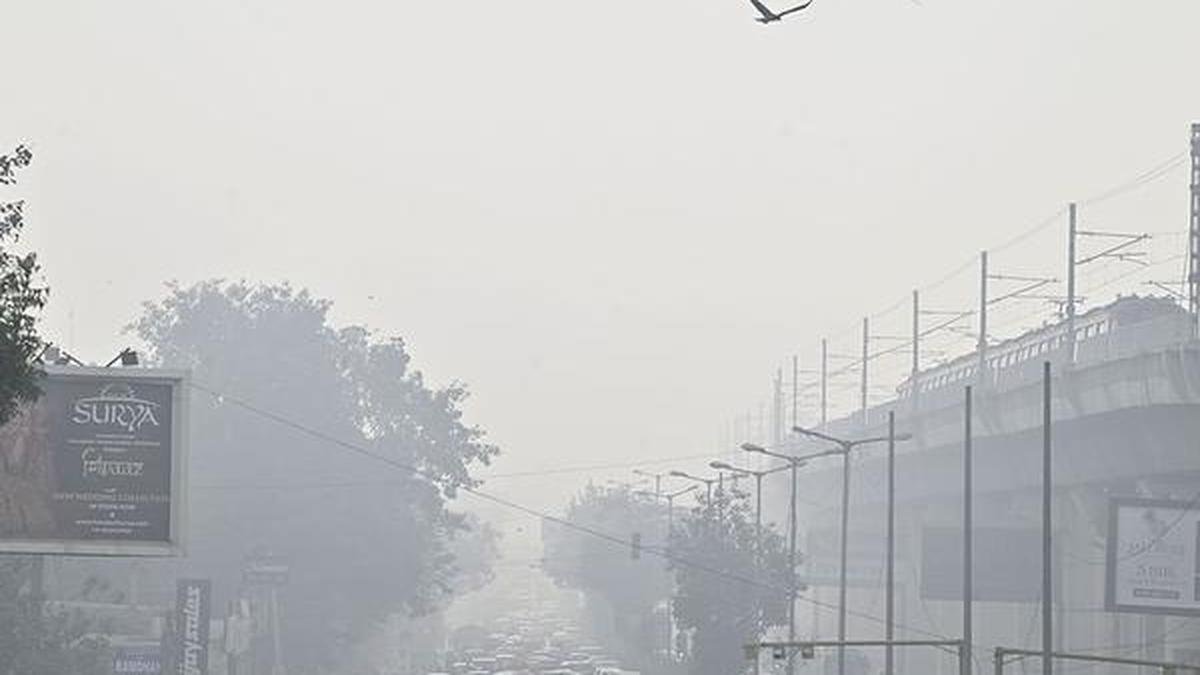
Dense smog in Delhi NCR has returned, pushing air quality back into the very poor and severe categories across multiple monitoring stations. The recurring pollution episode has revived concerns around public health, policy effectiveness, and how similar patterns are emerging in several Tier 2 cities across North India.
Air quality data from across the region shows a familiar winter trend where low wind speed, falling temperatures, and increased emissions combine to trap pollutants close to the ground. Visibility has dropped sharply in many parts of Delhi, Gurugram, Noida, Ghaziabad, and Faridabad, affecting daily life and travel.
Weather Conditions Driving the Current Smog Episode
The latest smog spell is largely driven by meteorological factors. Cooler temperatures, calm wind conditions, and high moisture levels have created a temperature inversion, preventing pollutants from dispersing.
During winter months, cold air near the surface gets trapped under warmer air above. This inversion acts like a lid, locking vehicle emissions, construction dust, and industrial pollutants close to breathing level. Fog formation further compounds the problem by mixing with particulate matter to create dense smog.
Experts tracking regional weather patterns indicate that unless stronger winds or rainfall arrive, air quality is unlikely to improve significantly in the short term.
Major Pollution Sources in Delhi NCR Right Now
Vehicular emissions remain a dominant contributor, especially during peak office hours. Despite restrictions on older vehicles and ongoing checks, traffic density continues to rise with seasonal travel and holiday movement.
Construction activity, although regulated, still adds to dust pollution in many zones. Open burning of waste, though officially banned, continues in pockets of the NCR region. Industrial emissions from nearby clusters also play a role, especially when wind direction carries pollutants into the city.
Stubble burning impact this season has been lower compared to previous years, but residual smoke combined with local emissions has still influenced overall air quality levels.
Health Advisories Issued for Residents
Health authorities have advised residents to limit outdoor exposure, particularly during early mornings and late evenings when pollution concentration is highest. Children, senior citizens, and individuals with respiratory or heart conditions are considered most vulnerable.
Doctors are reporting an increase in cases related to breathing discomfort, eye irritation, sore throat, and aggravated asthma symptoms. Use of masks with proper filtration, indoor air purifiers, and avoidance of strenuous outdoor exercise are being recommended.
Schools and offices have been advised to monitor local advisories closely, especially if air quality slips into the severe category for prolonged periods.
Tier 2 Cities Facing Similar Air Quality Patterns
While Delhi NCR remains the focal point, several Tier 2 cities across North India are experiencing similar winter pollution trends. Cities like Lucknow, Kanpur, Patna, Jaipur, and Ludhiana have reported worsening air quality over recent weeks.
Rapid urbanisation, rising vehicle ownership, and limited public transport infrastructure have increased emission loads in these cities. Unlike metros, enforcement mechanisms and monitoring infrastructure in Tier 2 cities are often weaker, allowing pollution to accumulate unchecked.
Seasonal factors such as biomass burning for heating and local industrial activity further contribute to deteriorating air quality in these regions.
Gaps in Policy and Ground Level Enforcement
Despite multiple action plans, recurring smog episodes highlight gaps between policy and implementation. Measures such as construction bans, vehicle restrictions, and pollution control norms often face enforcement challenges at the local level.
In Tier 2 cities, lack of real time monitoring stations and limited public awareness reduce the effectiveness of preventive steps. Pollution control efforts often become reactive, activated only after air quality worsens significantly.
Experts argue that long term solutions must focus on cleaner transport systems, better urban planning, waste management reforms, and region wide coordination rather than city specific actions.
What Residents Can Expect in the Coming Days
Forecasts suggest that air quality may fluctuate between poor and very poor unless there is a significant weather shift. Temporary relief may occur during windy periods, but sustained improvement remains uncertain.
Authorities are expected to continue enforcing restrictions on construction activity, vehicle movement, and industrial operations as needed. Public cooperation will play a critical role in reducing local emission sources during this period.
The current smog episode serves as another reminder that air pollution is no longer limited to mega cities and is increasingly becoming a shared challenge across urban India.
Takeaways
- Dense smog has returned to Delhi NCR due to weather conditions and local emissions
- Health advisories urge residents to limit outdoor exposure
- Tier 2 cities in North India are showing similar pollution patterns
- Long term solutions require stronger enforcement and regional coordination
FAQs
Why does smog worsen in Delhi NCR during winter?
Winter weather creates temperature inversion and low wind conditions that trap pollutants near the surface.
Which groups are most affected by poor air quality?
Children, elderly people, and those with respiratory or heart conditions face higher health risks.
Are Tier 2 cities also facing air pollution issues?
Yes, several Tier 2 cities in North India report rising pollution levels during winter months.
Will air quality improve soon?
Improvement depends on weather changes such as strong winds or rainfall. Without these, pollution may persist.








Leave a comment