

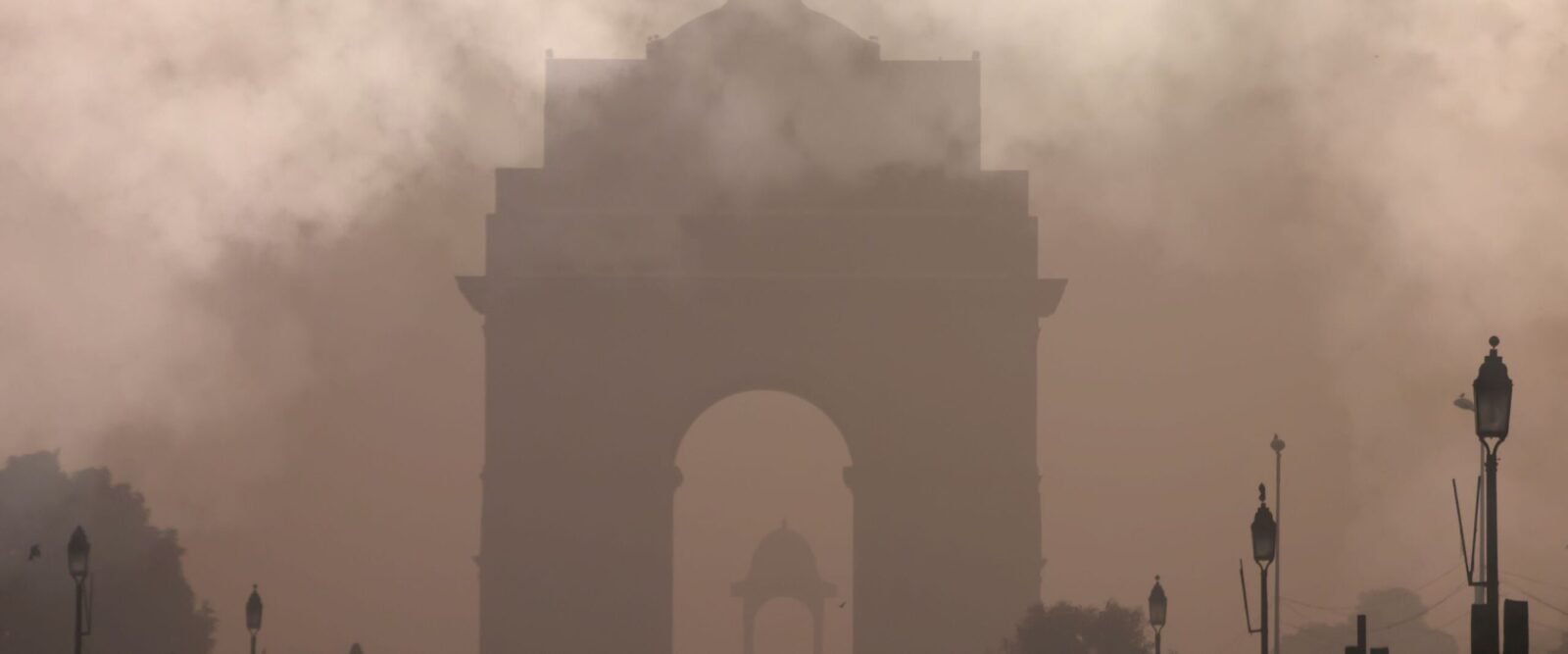
Delhi’s air quality crisis has once again moved to the centre of public concern as the city continues to record a persistent ‘very poor’ AQI across multiple monitoring stations. The sustained pollution levels are no longer a short seasonal episode but a daily reality affecting health, mobility, productivity and quality of life for residents across age groups.
Delhi’s air quality crisis has intensified daily health risks as very poor AQI levels persist for weeks instead of days. What was earlier seen as a winter phenomenon has now become a prolonged environmental stress that directly impacts how people breathe, commute, work and live in the capital.
Delhi has recorded repeated AQI readings in the very poor range, typically between 300 and 400, with occasional spikes touching severe levels. This indicates high concentrations of PM2.5 and PM10 particles, which are small enough to enter the lungs and bloodstream. Weather conditions such as low wind speed and temperature inversion during winter months trap pollutants close to the ground, worsening exposure.
Health effects becoming routine for residents
The most immediate impact of poor air quality in Delhi is on public health. Hospitals report a seasonal surge in respiratory complaints, including persistent cough, breathlessness, throat irritation and aggravated asthma. Doctors note that even healthy individuals experience reduced lung efficiency after prolonged exposure to polluted air.
Children and elderly residents face higher vulnerability. Schools often restrict outdoor activities as parents report frequent allergies, eye irritation and fatigue among students. Long term exposure to fine particulate matter increases the risk of chronic bronchitis, heart disease and stroke. For people with pre existing conditions, daily exposure turns routine activities like walking or commuting into health risks.
Mental health is also affected. Studies have linked high pollution levels to increased stress, reduced concentration and disturbed sleep patterns. Many residents report headaches and general discomfort on days when visibility drops and the air smells acrid.
Daily commuting and outdoor life disrupted
Poor AQI directly alters how people move around the city. Morning walks, jogging and cycling have sharply declined during extended pollution episodes. Public advisories often recommend avoiding outdoor exertion, especially during early morning and late evening hours when pollution peaks.
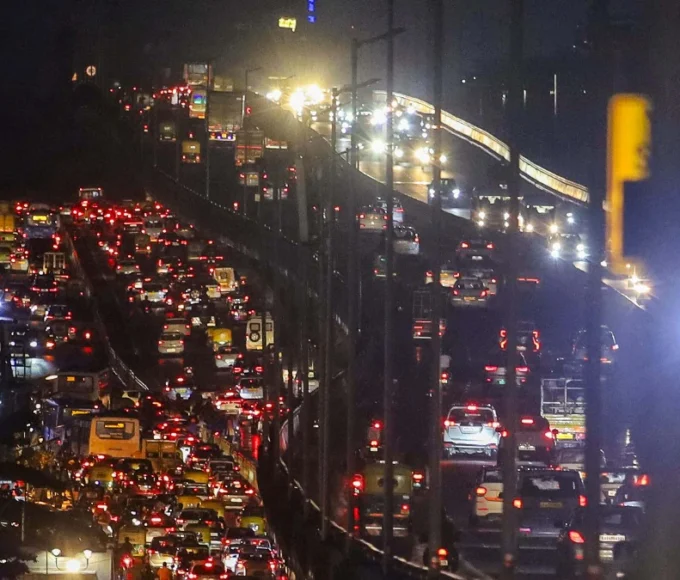
Commuters face reduced visibility during smoggy days, increasing road accident risks. Fog mixed with pollution disrupts flight schedules and train operations, leading to delays that affect both business and personal travel. App based cab drivers and delivery workers spend longer hours exposed to polluted air, increasing occupational health risks.
Two wheeler riders and traffic police personnel remain among the most exposed groups, often relying on masks that provide limited protection against fine particles. For many workers, avoiding outdoor exposure is not a practical option.
Economic and productivity costs mounting
The air quality crisis carries hidden economic costs. Office productivity suffers as employees experience fatigue, headaches and respiratory discomfort. Sick leave increases during high pollution periods, particularly in sectors with outdoor exposure such as construction, logistics and street level retail.
Healthcare expenses rise for families managing recurring doctor visits and medication. Air purifiers, masks and indoor ventilation systems have become common household investments, adding to monthly expenses. Small businesses dependent on foot traffic see reduced customer movement during severe pollution days, affecting daily earnings.
Tourism also takes a hit. Negative air quality perception discourages visitors, particularly during peak winter travel season. Hospitality operators in Delhi often report cancellations linked to pollution alerts.
Indoor living and lifestyle adjustments
As outdoor air quality worsens, residents increasingly rely on indoor spaces for safety. Homes, schools and offices keep windows shut for extended periods, reducing natural ventilation. This creates new challenges, as indoor air quality can also degrade due to trapped pollutants and household emissions.
Air purifiers are now considered essential appliances in many middle class homes. Families track AQI levels daily using mobile apps before planning activities. Schools switch to online classes during extreme pollution days, disrupting academic schedules and increasing screen time for children.
Festivals, weddings and community events adapt by moving indoors or shortening outdoor rituals. Even routine social interactions are reshaped by pollution alerts, contributing to a sense of confinement during winter months.
Governance measures and public response
Authorities implement measures such as construction bans, restrictions on diesel generators and traffic control under pollution response plans. While these steps offer temporary relief, residents often question their consistency and enforcement. The persistence of very poor AQI has fueled debates on long term solutions rather than short term emergency responses.
Public awareness has increased, with citizens more informed about AQI categories, health advisories and pollution sources. However, individual actions have limited impact without coordinated structural changes in transport, energy use and urban planning.
The growing frequency of prolonged pollution episodes suggests that Delhi’s air quality crisis is shifting from seasonal concern to year round policy challenge.
Takeaways
- Persistent very poor AQI is now a prolonged condition rather than a short seasonal spike
- Health impacts include respiratory, cardiovascular and mental health effects across age groups
- Daily commuting, outdoor activity and productivity are significantly disrupted
- Long term solutions are critical as short term measures offer limited relief
FAQs
What does ‘very poor’ AQI mean for health?
Very poor AQI indicates pollution levels that can cause breathing discomfort for most people and serious health effects for those with existing conditions.
Why does Delhi’s air quality worsen during winter?
Low wind speeds, temperature inversion and higher emissions trap pollutants near the surface, preventing dispersion.
Are air purifiers effective indoors?
Air purifiers can reduce indoor particulate matter but work best when combined with controlled ventilation and reduced indoor pollution sources.
Can masks fully protect against pollution?
High quality masks can reduce exposure to larger particles but do not offer complete protection against fine PM2.5 pollution.







Leave a comment