

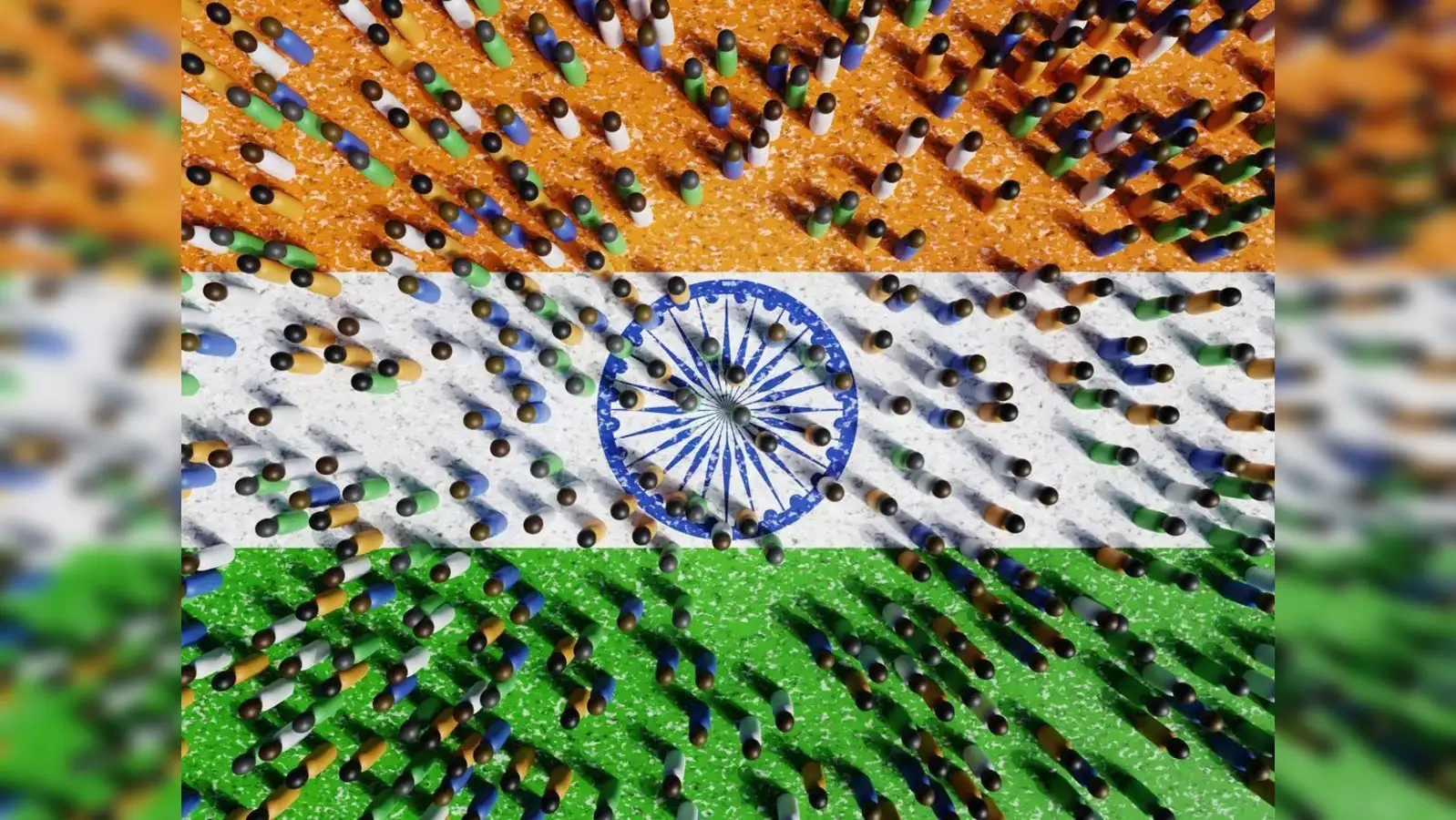
India’s new foreign policy playbook for 2026 is not just a diplomatic reset. It is a direct economic signal for non-metro businesses across Tier-2 and Tier-3 cities. As India sharpens its global strategy around trade resilience, supply chain security, and regional partnerships, smaller businesses stand to gain or lose based on how fast they adapt.
This shift is not abstract geopolitics. It directly affects exporters in Surat, auto ancillaries in Coimbatore, agri-processors in Indore, IT service firms in Bhubaneswar, and MSME clusters spread across semi-urban India.
A Policy Shift Focused on Economic Outcomes
India’s foreign policy in 2026 is moving decisively from ideology-driven alignment to interest-driven engagement. The emphasis is on securing markets, protecting domestic industry, and reducing exposure to geopolitical shocks.
For non-metro businesses, this matters because the government is actively linking diplomacy with trade corridors, logistics agreements, and sector-specific export growth. Bilateral talks are now structured around market access for pharmaceuticals, textiles, electronics, food products, and services where Tier-2 clusters dominate production.
This approach reduces overdependence on a few large economies and opens opportunities in Africa, West Asia, Southeast Asia, and Latin America where Indian MSMEs can compete on price and scale.
Trade Agreements Create Direct Tier-2 Opportunities
One of the biggest changes in the 2026 playbook is selective trade engagement instead of blanket free trade agreements. India is prioritising sector-wise access rather than across-the-board tariff cuts.
For businesses outside metros, this lowers the risk of being undercut by cheap imports while still enabling export growth. Textile hubs in Tiruppur and Bhilwara, leather clusters in Kanpur, and engineering units in Rajkot benefit from negotiated safeguards combined with export incentives.
Secondary keywords like trade agreements and export competitiveness become operational realities here. When tariff stability improves, banks extend credit faster, logistics investments increase, and MSMEs can plan production cycles with more certainty.
Supply Chain Diplomacy Helps Manufacturing Clusters
India’s foreign policy now treats supply chains as strategic assets. This is critical for Tier-2 manufacturing hubs that were hit hard by global disruptions in recent years.
By deepening ties with resource-rich and manufacturing-friendly countries, India is securing raw materials, intermediate goods, and energy supplies at predictable terms. For example, chemical manufacturers, auto component makers, and electronics assemblers in non-metro regions benefit from smoother input availability and fewer price shocks.
This also supports the growth of industrial corridors and logistics parks beyond metros, aligning diplomacy with domestic infrastructure expansion.
Services Exports and IT Firms Outside Metros Gain Leverage
The 2026 foreign policy framework places strong emphasis on services exports, especially IT, fintech, health tech, and professional services. This is a major opportunity for non-metro firms.
Smaller IT companies in cities like Kochi, Indore, Nagpur, and Trichy increasingly serve overseas clients. As India negotiates visa frameworks, data adequacy discussions, and digital trade norms, these firms gain smoother access to international markets.
Secondary keywords such as services exports and digital trade become critical here. Reduced friction in cross-border payments and compliance directly improves cash flow and client acquisition for smaller firms.
MSMEs Become Central to Economic Diplomacy
Unlike earlier phases where large corporates dominated global outreach, India’s new playbook explicitly positions MSMEs as economic ambassadors. Trade delegations, export promotion missions, and market access programs are now designed to include small and mid-sized enterprises.
For Tier-2 businesses, this changes visibility. Government-backed platforms help local manufacturers showcase products abroad without expensive intermediaries. This levels the playing field and reduces dependence on metro-based exporters.
The shift also aligns with domestic policies like production-linked incentives and credit guarantee schemes, creating a full-stack support system from diplomacy to execution.
Risk Management in a Fragmented Global Economy
Another reason this playbook matters is risk mitigation. Global trade is increasingly fragmented due to sanctions, conflicts, and regulatory barriers. Non-metro businesses are typically more vulnerable to sudden shocks.
India’s diversified diplomatic strategy reduces single-market exposure. Businesses exporting to one geography are encouraged and enabled to explore alternative regions. This spreads risk and stabilises revenue for smaller firms that lack deep financial buffers.
It also encourages compliance upgrades, quality certifications, and digital documentation that improve long-term competitiveness.
Why Non-Metro Businesses Must Pay Attention Now
The biggest risk for Tier-2 and Tier-3 businesses is ignoring foreign policy as a distant government matter. In 2026, foreign policy directly shapes demand, pricing power, logistics costs, and market access.
Firms that align early with new trade corridors, certification requirements, and export incentives will scale faster. Those that stay inward-looking may lose ground even in domestic markets as globally integrated competitors gain cost and quality advantages.
Takeaways
India’s 2026 foreign policy is tightly linked to trade and business outcomes, not just diplomacy
Tier-2 and Tier-3 exporters gain new market access with reduced competitive risk
Manufacturing and services clusters benefit from supply chain and digital trade stability
MSMEs become active participants in India’s global economic strategy
FAQs
Is India’s new foreign policy in 2026 mainly economic in nature?
Yes. While strategic concerns remain, economic growth, trade security, and export expansion are central goals.
How does this policy help small businesses outside metro cities?
It improves access to new markets, stabilises input costs, and increases government-backed export support for MSMEs.
Does this reduce dependence on traditional markets like the US and EU?
The strategy focuses on diversification, reducing overreliance while still engaging major economies selectively.
What should non-metro businesses do to benefit from this shift?
They should track export incentives, upgrade compliance standards, and explore emerging markets aligned with India’s diplomatic focus.









Leave a comment