

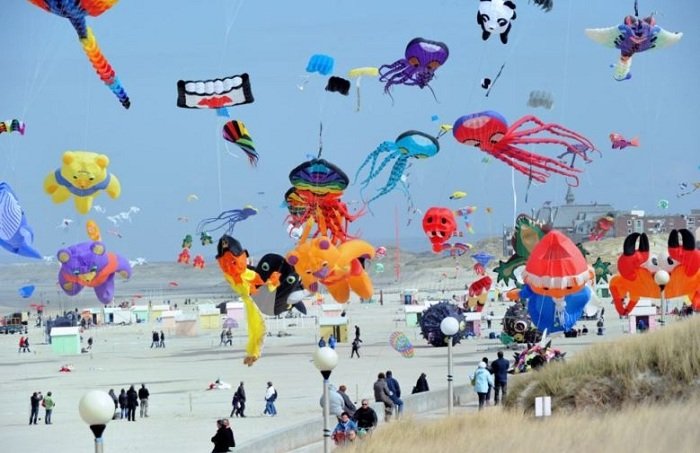
Surat’s culture scene is no longer limited to textiles and diamonds. Over the last few years, the city has quietly emerged as a hub for regional comic, illustration, and arts festivals, reflecting a broader shift where cultural momentum is moving beyond metros into Tier-2 India.
This article examines how Surat’s comic and arts festivals are reshaping local culture, creating new creative economies, and challenging the long-held metro dominance of India’s arts ecosystem.
From Industrial City to Cultural Platform
The rise of regional comic and arts festivals in Surat signals a clear transition in how Tier-2 cities engage with creative culture. Traditionally known for manufacturing and trade, Surat has developed a young, digitally exposed population that actively consumes graphic novels, animation, indie art, and pop culture content.
Local organisers and art collectives have tapped into this demand by curating festivals that combine comics, illustration, street art, cosplay, and live workshops. These events are not replicas of Mumbai or Delhi festivals. They are smaller, community-driven, and designed around regional creators, local languages, and accessible pricing.
This shift matters because it lowers entry barriers for first-time artists who often find metro festivals expensive and competitive. Surat’s model allows emerging creators to test audiences, sell original work, and build visibility without relocating.
Local Artists and the Regional Creator Economy
One of the strongest outcomes of Surat’s arts festival movement is the rise of a regional creator economy. Local illustrators, comic writers, tattoo artists, and designers now have physical platforms to monetise their work.
Subheads increasingly focus on regional creator opportunities as festivals prioritise Gujarati comic storytelling, folk-art-inspired illustrations, and socially rooted narratives. These themes resonate with local audiences who see their own culture reflected on walls, panels, and merchandise.
Workshops on comic scripting, digital illustration, and self-publishing have also become common. These sessions are practical rather than aspirational, focusing on how artists can build Instagram portfolios, sell zines, or collaborate with local brands.
For many participants, these festivals act as launchpads rather than showcases.
Audience Shift and Youth Culture in Tier-2 Cities
The success of comic and arts festivals in Surat highlights a larger youth culture shift in Tier-2 India. Gen Z audiences in cities like Surat are culturally confident and digitally native. They follow global art trends online but want offline spaces that feel local and inclusive.
Festival attendance data and anecdotal reports show a strong presence of college students, first-job professionals, and creative freelancers. Cosplay competitions, fan art zones, and interactive exhibits draw crowds that traditionally travelled to metros for such experiences.
Secondary keywords such as youth culture in Tier-2 cities and regional pop culture become central here. Surat’s festivals prove that cultural aspiration no longer requires metro validation.
Economic Impact Beyond Art Circles
The economic footprint of these festivals extends beyond artists. Event venues, local cafes, printers, merchandise vendors, and small hospitality businesses benefit from increased footfall.
Unlike large metro festivals dominated by corporate sponsors, Surat’s events often rely on local partnerships. This keeps revenue within the city and strengthens the cultural business ecosystem.
City authorities and educational institutions have also begun supporting these festivals indirectly through venue access, student participation, and cultural grants. While still informal, this support signals recognition of arts festivals as legitimate contributors to urban development.
Surat as a Blueprint for Other Tier-2 Cities
Surat’s evolving arts festival scene offers a replicable blueprint for other Tier-2 and Tier-3 cities. The formula is straightforward. Start small. Focus on local creators. Keep ticket prices accessible. Build community before scale.
Rather than chasing national headlines, these festivals prioritise consistency and authenticity. Over time, this approach builds loyal audiences and sustainable creative networks.
As more cities adopt this model, India’s cultural map is likely to become more decentralised, with regional festivals playing a defining role in shaping the next generation of artists.
Takeaways
- Surat’s comic and arts festivals reflect a broader cultural shift beyond metro cities
- Regional creators benefit from lower barriers and stronger local engagement
- Youth culture in Tier-2 cities is driving demand for accessible creative platforms
- These festivals contribute to local economies, not just art communities
FAQs
Are comic and arts festivals in Surat a recent phenomenon?
Yes. While art events existed earlier, structured comic and pop culture festivals have gained momentum mainly in the last few years.
Do these festivals focus only on comics?
No. Most events combine comics with illustration, street art, design, cosplay, and interactive workshops.
How do these festivals help local artists financially?
Artists earn through merchandise sales, commissions, workshops, and brand collaborations facilitated by festival exposure.
Can other Tier-2 cities replicate Surat’s model?
Yes. The model works best in cities with young populations, affordable venues, and strong local creator communities.







Leave a comment