

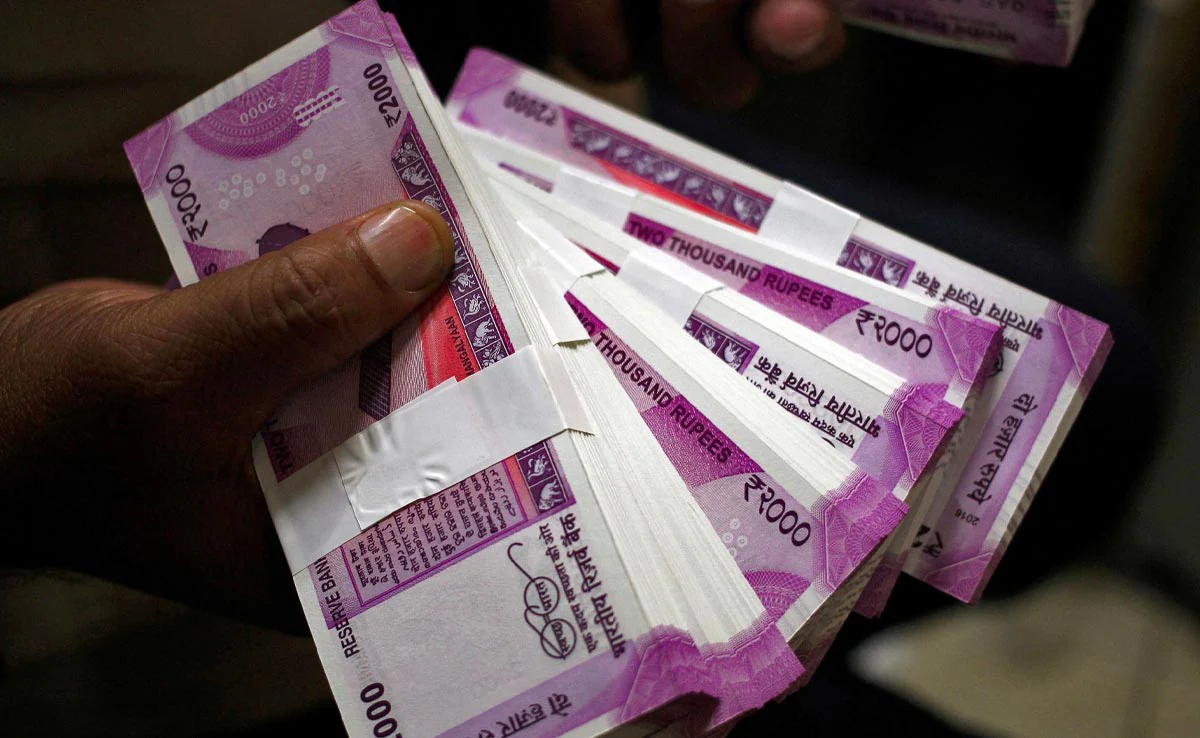
The government’s approval of a Rs 1,800 crore high-security printing line for banknotes and passports marks a major upgrade in India’s security printing infrastructure. The decision focuses on reducing forgery risks, improving production capacity, and strengthening sovereign control over sensitive identity and currency documents.
The topic is time sensitive news reporting. The tone remains factual, policy focused, and impact driven.
What the new high-security printing line means
The newly approved high-security printing line is designed to modernise how India produces banknotes and passports. This investment targets advanced printing technology capable of embedding multiple security features directly during the printing process. These include complex intaglio printing, micro lettering, color shifting inks, and machine readable security layers that are difficult to replicate.
For banknotes, the objective is to stay ahead of counterfeiting techniques that evolve alongside digital and printing technology. For passports, the focus is on strengthening document integrity as international travel volumes rise and border security standards tighten globally.
The approval reflects a shift from incremental upgrades to a comprehensive overhaul. Instead of retrofitting old lines, the government is investing in a purpose built system that can support future design changes and higher security thresholds without frequent redesigns.
Why the investment is critical now
India’s currency circulation and passport issuance have both expanded significantly in recent years. Higher transaction volumes increase the stakes of any vulnerability in printing systems. Counterfeit currency, even at low levels, can undermine trust in cash transactions, while forged travel documents pose national security risks.
The Rs 1,800 crore allocation addresses capacity stress as well as technological obsolescence. Older printing lines struggle to integrate newer security features efficiently, leading to higher maintenance costs and slower output. A modern line reduces downtime and improves consistency across batches.
There is also a strategic dimension. High security printing is a sovereign capability. Dependence on outdated or limited infrastructure exposes the system to operational bottlenecks during periods of high demand, such as passport backlogs or currency replacement cycles.
Impact on banknote production and circulation
For banknotes, the new printing line is expected to improve both quality and durability. Enhanced printing precision allows better alignment of security elements, making notes harder to counterfeit and easier for machines to authenticate. This supports smoother operations in banks, ATMs, and cash handling systems.
Improved durability also reduces replacement frequency. Longer lasting notes lower printing volumes over time, creating cost efficiencies despite the high initial investment. From a public perspective, better quality notes also improve user confidence and reduce disputes related to damaged or suspicious currency.
Importantly, the new line supports flexibility. As security threats evolve, authorities can update designs or introduce new denominations without overhauling the entire production setup.
Strengthening passport security and global acceptance
Passports are no longer simple identity booklets. They are high value security documents that must meet international standards for machine readability and biometric integration. The approved printing line supports advanced passport features that improve resistance to tampering and identity fraud.
Higher print precision enhances data page security, including embedded images, layered printing, and invisible features detectable only by authorised systems. This strengthens India’s position in global travel security frameworks and reduces the risk of document misuse.
For applicants, the impact may not be immediately visible, but improved production efficiency can help stabilise issuance timelines, especially during demand spikes. For immigration authorities abroad, stronger document integrity improves trust and processing efficiency.
Economic and operational considerations
The Rs 1,800 crore investment also has domestic economic implications. High security printing lines require skilled technical manpower, specialised maintenance, and supply chain support. This creates opportunities for domestic vendors and technical training ecosystems linked to secure manufacturing.
Operationally, a modern line reduces error rates and wastage, which are significant cost factors in security printing. Even small defect reductions translate into large savings when printing millions of units annually.
From a governance standpoint, the approval signals a long term view rather than a reactive fix. It aligns with broader efforts to modernise state infrastructure that operates behind the scenes but underpins everyday economic and administrative activity.
What to expect next
Implementation will involve phased installation, testing, and certification before full scale production begins. During this period, existing systems will continue operating to ensure continuity. The transition is expected to be managed carefully to avoid disruptions in currency supply or passport issuance.
Once operational, the new line will likely set a benchmark for future upgrades across other secure document categories. It also reinforces the message that document and currency security is an ongoing process, not a one time upgrade.
Takeaways
The government has approved a Rs 1,800 crore investment in high-security printing infrastructure
The new line will enhance security features in banknotes and passports
Modern printing technology improves durability, efficiency, and fraud resistance
The move strengthens India’s sovereign control over critical security documents
FAQs
What is a high-security printing line?
It is a specialised production system designed to print sensitive documents like currency and passports with advanced anti counterfeiting features.
Why are banknotes and passports being upgraded together?
Both are high risk security documents that benefit from similar printing technologies and strict quality controls.
Will this change the design of Indian currency or passports immediately?
Not immediately. The new line enables future upgrades but does not automatically alter existing designs.
How does this investment benefit the public?
It improves document security, reduces fraud risks, and supports more reliable issuance of currency and passports.











Leave a comment