

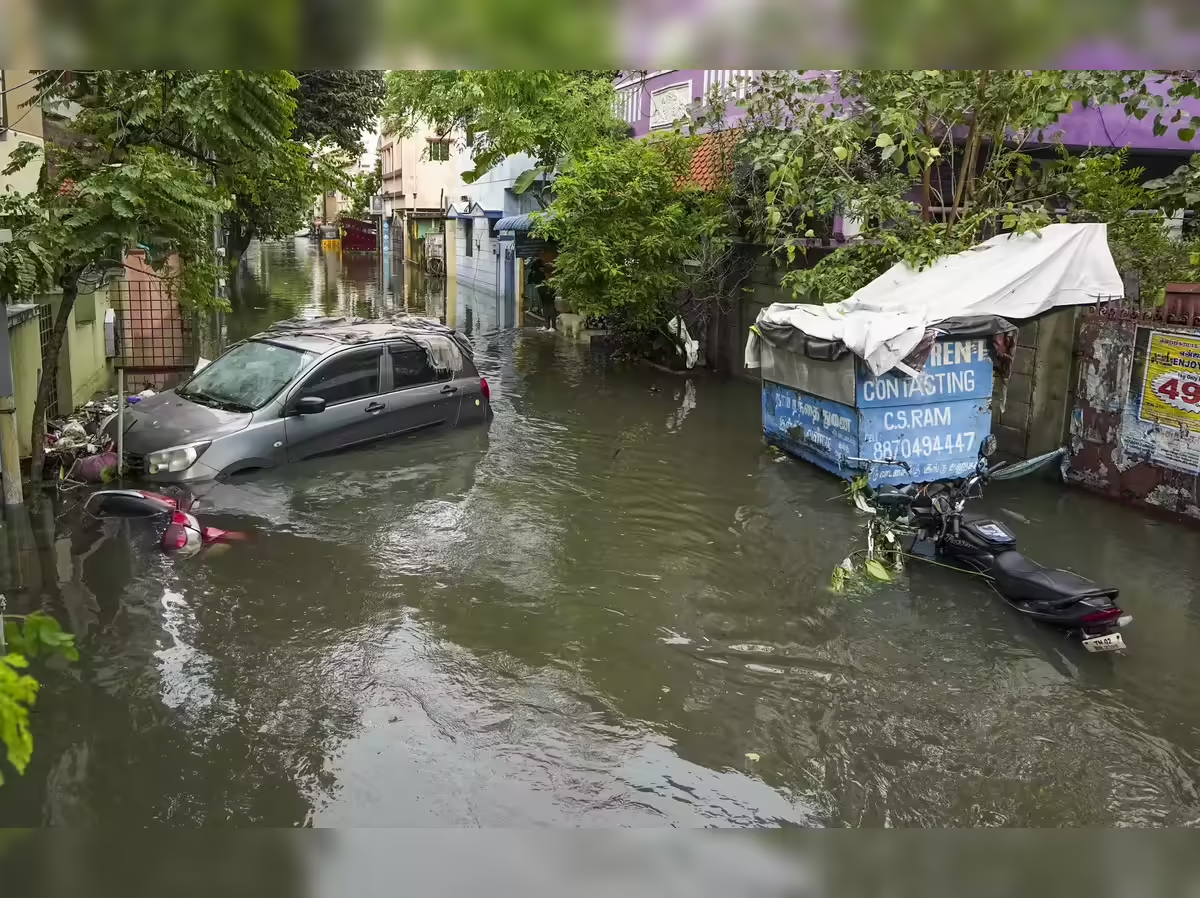
Tamil Nadu’s rare January rains have altered daily life across coastal and agrarian districts, leaving farmers and fishers navigating unexpected weather stress. The unseasonal rainfall has affected harvest cycles, fishing schedules, and local markets, raising concerns over income stability and short term food supply.
This topic is time sensitive news reporting. The tone remains factual, ground level, and impact focused.
Why January rains are unusual for Tamil Nadu
Tamil Nadu’s climate pattern is distinct from most of India. The state receives the bulk of its rainfall during the northeast monsoon between October and December. January is typically dry, used by farmers to harvest standing crops and prepare fields for the next sowing cycle. Coastal waters are also relatively calmer, allowing consistent fishing activity.
The rare January rains disrupted this expectation. Showers across interior districts and coastal belts caught communities off guard because irrigation schedules, labour planning, and market logistics are built around a dry January. Even moderate rainfall at this stage can have outsized effects because crops are close to maturity and storage facilities are not prepared for excess moisture.
For fishing communities, January usually offers predictable sea conditions. Sudden weather changes increase risk at sea and reduce fishing days, directly impacting daily earnings.
Impact on farmers and standing crops
For farmers, the immediate concern is crop damage. Paddy fields in delta regions face lodging, where mature crops bend or collapse under wet conditions, making harvesting difficult and increasing grain loss. Sugarcane fields risk waterlogging, which affects sugar recovery if drainage is poor.
Horticulture farmers growing bananas, vegetables, and flowers are particularly vulnerable. Excess moisture increases fungal infections and spoilage, reducing marketable produce. Small and marginal farmers, who operate with thin margins, bear the brunt because they lack storage or drying infrastructure.
Harvest delays also increase labour costs. When rain interrupts harvesting windows, farmers must rehire workers or pay higher wages once conditions improve. In local mandis, arrivals become erratic, causing price volatility that rarely favours producers.
Fisher perspectives from coastal Tamil Nadu
Fishing communities along the Tamil Nadu coast describe January rains as a double setback. Rougher seas and reduced visibility force boats to stay ashore on days that would normally be productive. For daily wage fishers, even a few lost days mean immediate income loss.
Post catch handling is another issue. High humidity and rain complicate drying and storage of fish, especially for small scale operators who depend on sun drying. This reduces shelf life and fetches lower prices in local markets.
Fuel costs do not fall when trips are cancelled. Boat owners still bear fixed expenses, while crew members face uncertain wages. For inland fish farmers, pond overflow and water quality changes can lead to fish stress or escape, affecting yields.
Market and supply chain effects
Local markets feel the impact quickly. Reduced arrivals of vegetables, fruits, and fish lead to short term price increases in urban and semi urban centres. However, these price gains rarely compensate producers because volumes are lower and quality is often compromised.
Transport disruptions during rain also slow movement from villages to wholesale markets. Perishable goods suffer the most. Cold storage penetration in smaller towns remains limited, making farmers and fishers more exposed to weather shocks.
Retailers report inconsistent supply, which affects consumer confidence and buying patterns. For households, this translates into fluctuating food prices, especially for fresh produce and seafood.
Coping strategies at the ground level
Farmers are adopting short term measures such as early harvesting where possible, using tarpaulins to cover produce, and improving field drainage. Some are shifting to mechanical harvesters to reduce dependency on narrow labour windows, though access remains uneven.
Fishers rely on weather alerts and cooperative advisories to plan safer trips. Many communities are pushing for better real time forecasting at the local level rather than district wide alerts that lack specificity.
There is also renewed discussion around crop insurance and relief mechanisms. Farmers argue that unseasonal rain claims should be processed faster, with clearer assessment norms. Fishers seek temporary income support during prolonged weather disruptions.
What this signals for climate patterns
Tamil Nadu’s rare January rains add to a growing pattern of weather unpredictability. Farmers and fishers increasingly see traditional seasonal knowledge becoming less reliable. Planning cycles based on decades of experience now carry higher risk.
Experts note that climate variability does not always mean extreme events. Even small shifts in timing can have large economic consequences for communities dependent on natural cycles. For a state with a high share of rain dependent livelihoods, adaptive planning becomes essential.
District level contingency plans, better drainage infrastructure, diversified cropping, and stronger early warning systems are no longer optional. They are becoming core to livelihood resilience.
What authorities and communities expect next
Local administrations are assessing crop damage and monitoring market conditions. The focus is on ensuring fair procurement, preventing distress sales, and maintaining supply chain continuity. Fishing advisories are expected to remain cautious until weather patterns stabilise.
Communities hope the rains subside quickly, but they also want long term solutions. Better insurance coverage, improved storage, and climate responsive planning are recurring demands. The January rains have reinforced the message that preparedness must evolve with changing weather realities.
Takeaways
Tamil Nadu’s January rains disrupted normal farming and fishing cycles
Farmers face crop damage, harvest delays, and rising input costs
Fishers lost sea days and struggled with storage and income stability
The event highlights growing climate unpredictability and need for adaptation
FAQs
Why are January rains considered rare in Tamil Nadu?
January is usually dry in the state, as most rainfall comes from the northeast monsoon ending in December.
Which farmers are most affected by the unseasonal rain?
Paddy, horticulture, and small farmers are most vulnerable due to crop maturity stage and limited storage.
How do January rains affect fishing activity?
They disrupt sea conditions, reduce fishing days, and affect post harvest handling of fish.
Can farmers claim compensation for such weather events?
Compensation and insurance claims are possible, but processing depends on damage assessment and existing coverage.










Leave a comment